Two ninth graders kill three in Tacloban school shooting
Two minor suspects opened fire inside San Jose National High School while classes were underway, killing three students and exposing gaps in campus security.
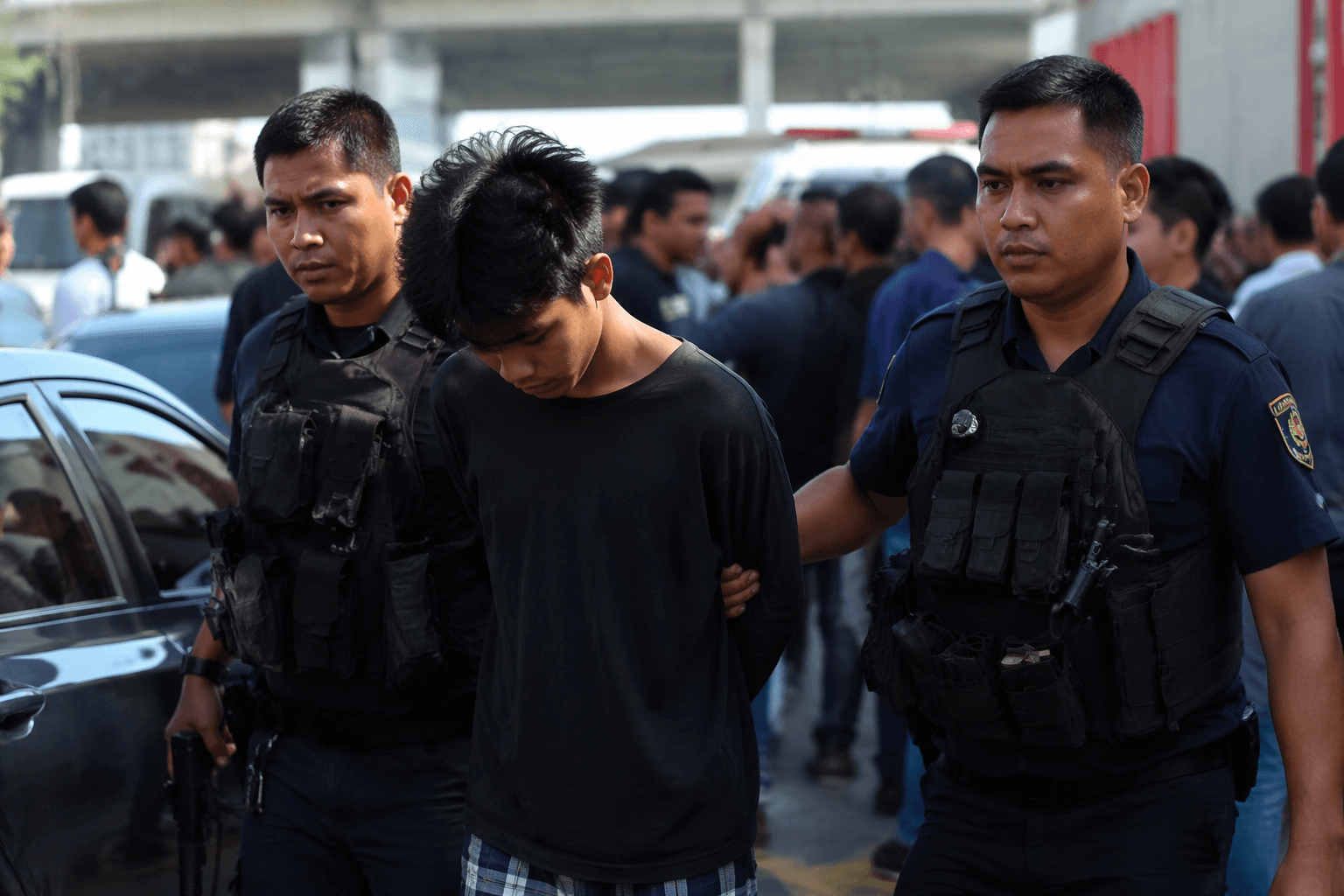
Two minor suspects walked into San Jose National High School in Tacloban City and opened fire while classes were underway at about 9 a.m., leaving three students dead and at least five more wounded in a school attack that raised immediate questions about warning signs, access to weapons and how two ninth graders reached a classroom with a gun. Police said the suspects were arrested, and initial reports identified one as a Grade 9 student from the same school.
The shooting unfolded in Barangay San Jose, Leyte, inside the public school campus, where authorities quickly moved to secure the grounds after the attack. Reports on the toll shifted through the day, with early accounts citing five wounded and later updates putting the number at seven, but the dead were consistently reported as students. The suspects were minors and were being questioned in the presence of their parents, underscoring the age of those now at the center of a case that has shaken a city better accustomed to classroom routines than armed violence.
The immediate institutional response was broad. The Tacloban City government suspended classes at San Jose National High School, San Jose Central School and Manlurip Elementary School as officials worked to stabilize the area and assess the risk to nearby campuses. President Ferdinand Marcos Jr. ordered an investigation into the shooting, pressing authorities to ensure school safety and security after one of the country’s rarest and most alarming forms of violence surfaced in Eastern Visayas.
The Department of Education in Eastern Visayas condemned the attack and described it as a high-alert situation, pledging medical, psychosocial and other support for students, staff and families affected by the shooting. Investigators were also examining whether a bullying-related grudge may have driven the attack, a line of inquiry that points beyond the crime itself to the discipline, counseling and conflict-resolution systems inside schools.
School shootings remain uncommon in the Philippines, even as gun violence has persisted more broadly across the country. That contrast is now at the center of the Tacloban case: not only who fired the shots, but how two minors were able to bring deadly violence into a working classroom and what that says about school preparedness when a threat more often associated with other countries reaches a Philippine public school.
This article was produced by Prism’s automated news system from verified source data, official records, and press releases, then run through automated quality and moderation checks before publishing. The system is built and supervised by the people who set the standards it runs under. Read our full AI policy.
Know something we missed? Have a correction or additional information?
Submit a Tip