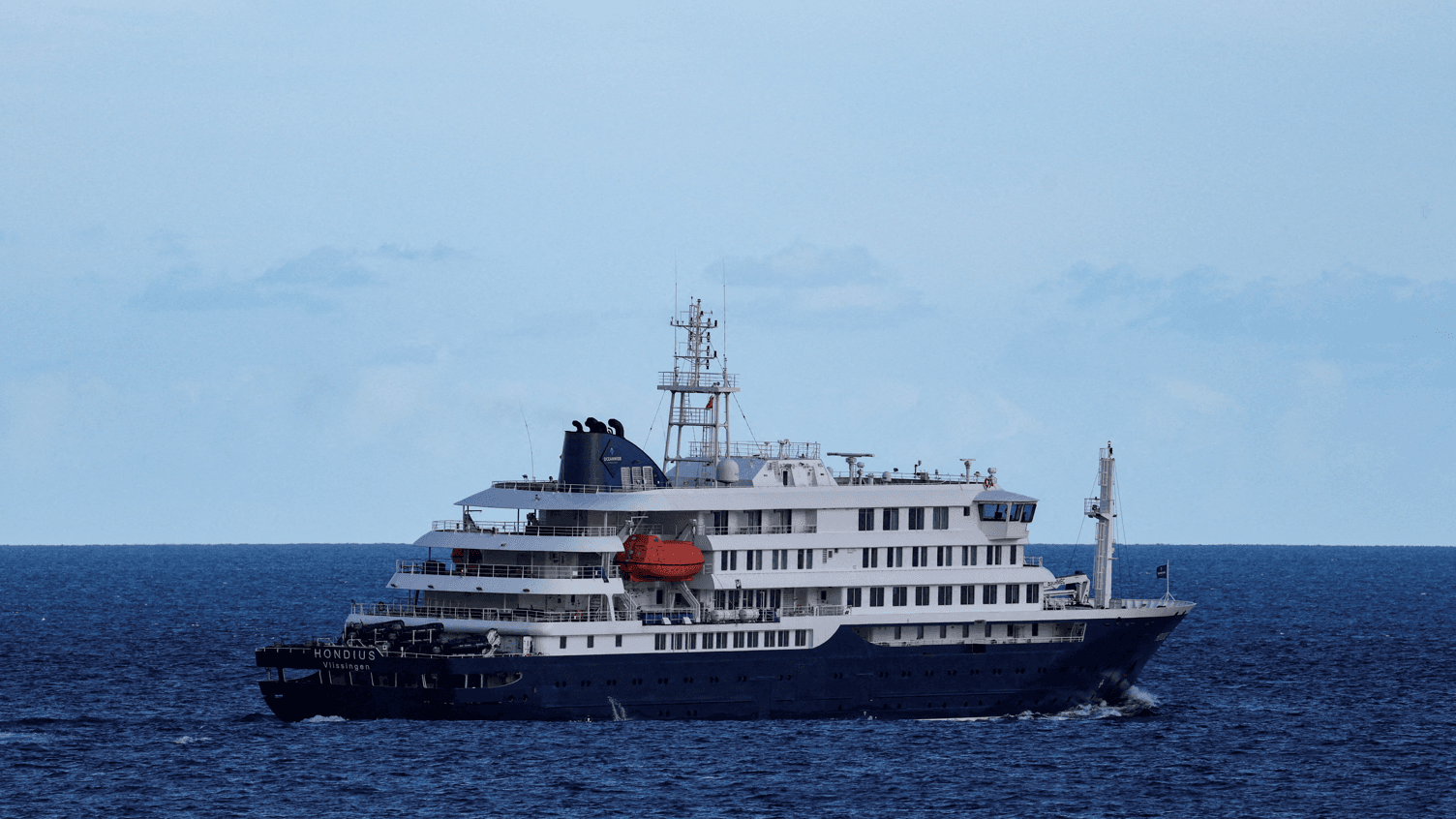
Two Texas Residents Among Passengers Tied to Hantavirus Cruise Outbreak
Two Texas residents were on the M/V Hondius before hantavirus was detected, adding a U.S. tracing test to a cruise outbreak with three deaths.
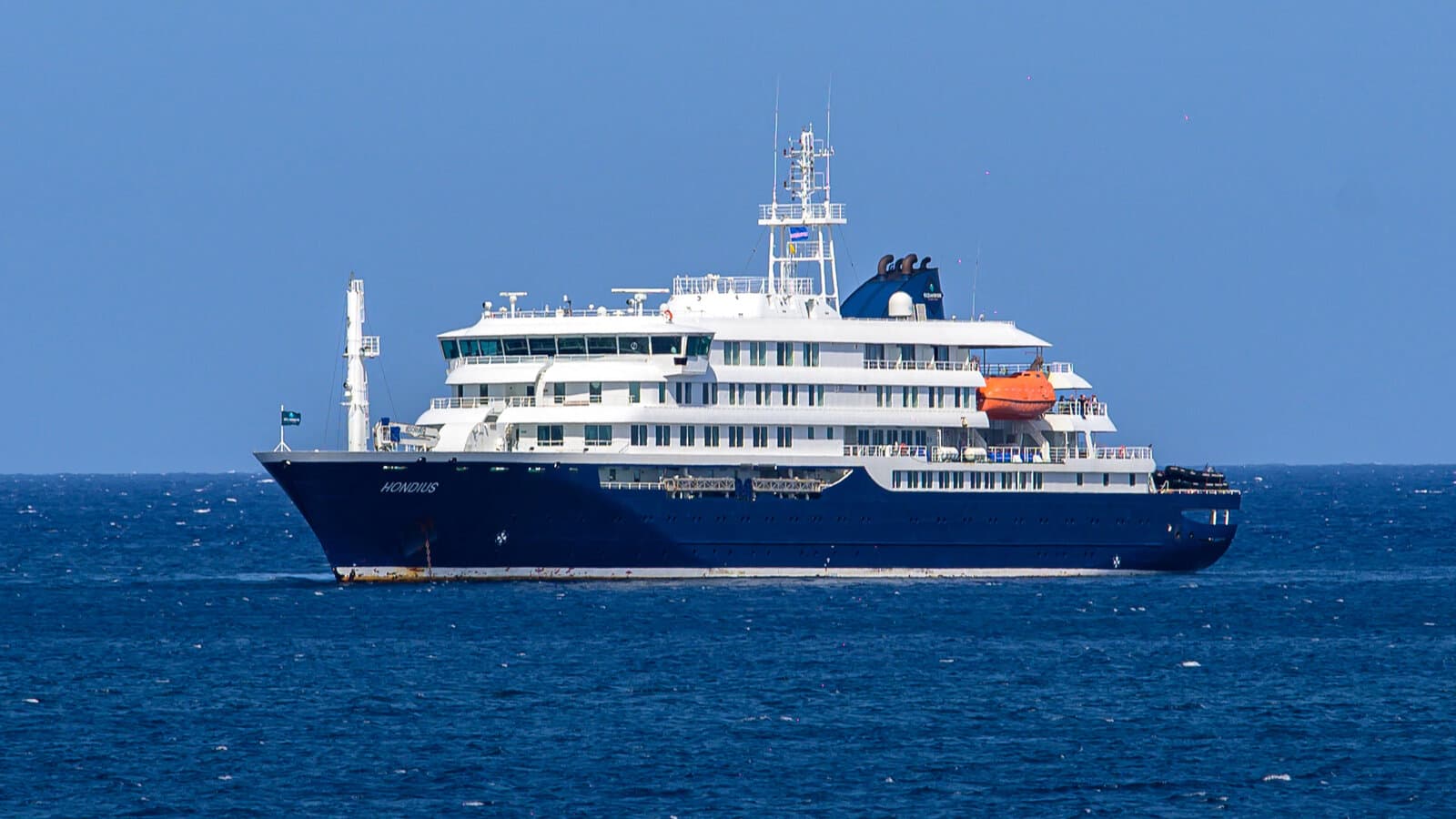
Two Texas residents were among the passengers aboard the M/V Hondius before hantavirus was detected, turning a remote Antarctic cruise into a test of tracing across borders. Texas health officials said both residents had already left the ship and returned to the United States before the outbreak was identified, were not showing symptoms, and agreed to monitor themselves with daily temperature checks.
The World Health Organization said the Dutch-flagged vessel carried 147 passengers and crew from 23 nationalities and departed Ushuaia, Argentina, on April 1, 2026. Its route stretched across the South Atlantic, with stops including mainland Antarctica, South Georgia, Nightingale Island, Tristan da Cunha, Saint Helena and Ascension Island. By May 4, the ship was moored off Cabo Verde as international contact tracing widened and travelers disembarked in multiple countries.
WHO first identified seven cases, including two laboratory-confirmed hantavirus infections and five suspected cases, with three deaths. The illness onset window ran from April 6 to April 28. WHO later said eight cases had been reported, including five laboratory-confirmed infections and three suspected cases. The first known patient developed symptoms on April 6 and died aboard the ship. His wife later became ill and died after evacuation to South Africa, where testing confirmed hantavirus infection.

Public-health authorities said the outbreak involved Andes virus, the hantavirus type known to have limited human-to-human transmission. That detail has sharpened the questions around exposure on board, where investigators have had to consider both rodent contact and, in limited circumstances, spread between people. WHO said the global public health risk remained low, and U.S. officials said the risk to Americans was extremely low.
The response has been shaped by the difficulty of crossing jurisdictions as quickly as the virus did. The Centers for Disease Control and Prevention said the Department of State was leading a coordinated, whole-of-government effort, with direct contact to passengers, diplomatic coordination and engagement with domestic and international health authorities. WHO said the first alert came through the United Kingdom under the International Health Regulations framework, underscoring how cruise outbreaks can move from shipboard illness to multinational public-health coordination in a matter of days.

The Texas case also highlights how far the ripple effects of a cruise can reach after passengers return home. A ship with 147 people from 23 nationalities, an itinerary that traversed the Antarctic region, and a pathogen capable of rare person-to-person spread created exactly the kind of tracking challenge that tests whether cruise operators and health agencies can communicate early enough to limit exposure and keep a contained outbreak from becoming a wider public-health crisis.
This article was produced by Prism’s automated news system from verified source data, official records, and press releases, then run through automated quality and moderation checks before publishing. The system is built and supervised by the people who set the standards it runs under. Read our full AI policy.
Did this article answer your question?