Typhoon Jangmi triggers Japan's first Level 5 flood alert
Typhoon Jangmi’s surge to a Level 5 flood alert came just 65 minutes after landfall, the first test of Japan’s new warning system. Koza River communities faced an immediate life-or-death call.
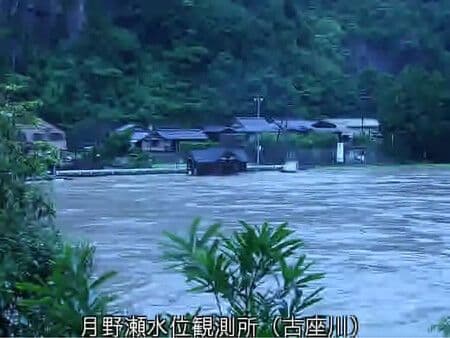
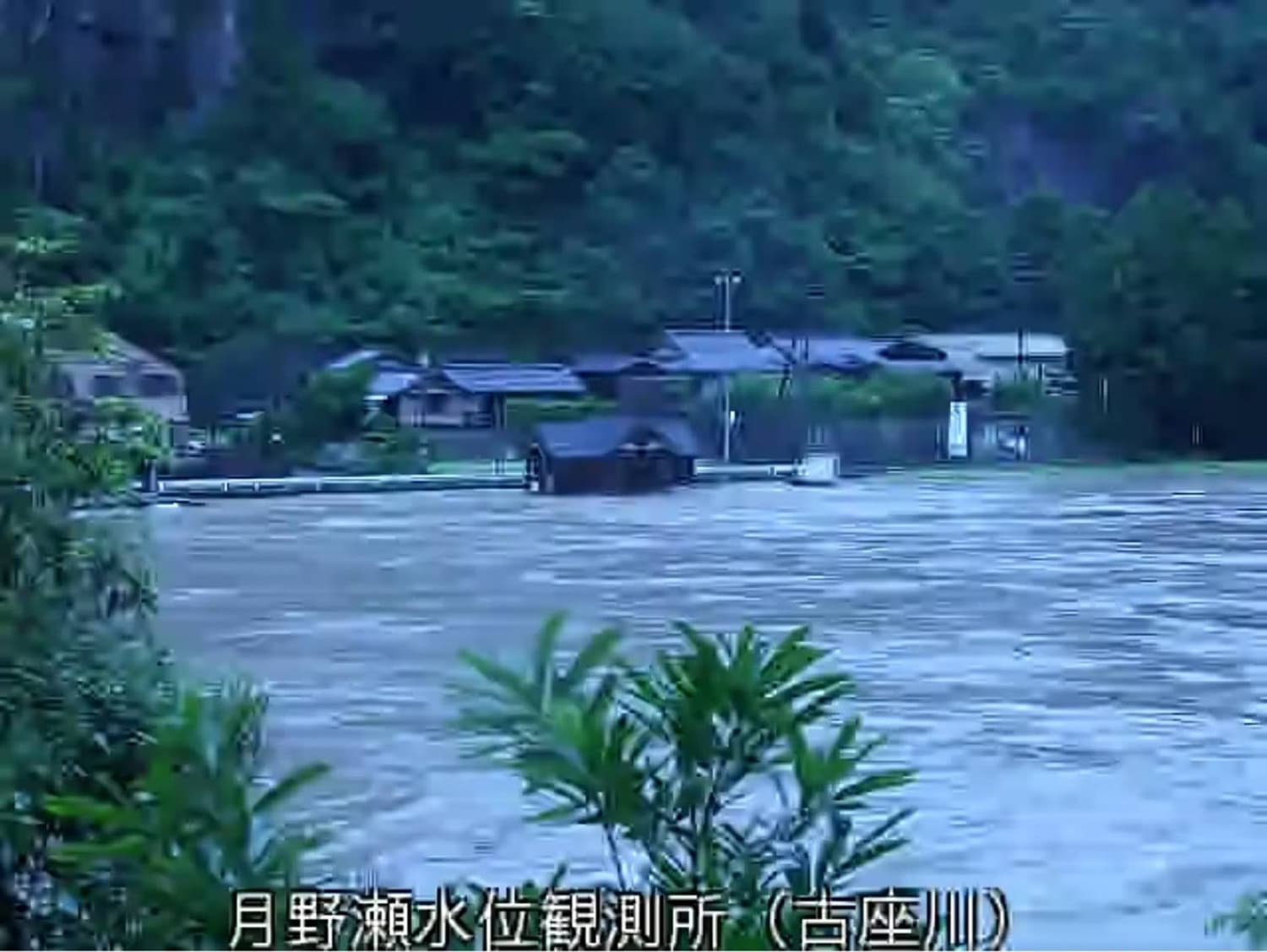
Typhoon Jangmi forced Japan into its first Level 5 emergency river flood warning just 65 minutes after landfall, a stark measure of how fast a storm can turn from dangerous weather into a direct threat to life. The Japan Meteorological Agency and the Wakayama prefectural government issued the alert for the Koza River at 5:35 a.m., after the river overflowed near the Tsukinose district in Kozagawa.
The warning covered communities along the Koza River in Wakayama Prefecture, including Kozagawa and Kushimoto, where residents were told to act immediately to protect their lives. Takuya Hosomi, head of the meteorological agency’s Forecast Division, urged people not to wait and to move to safer places because their lives were in danger. By 8:50 a.m., the emergency flooding warning had been downgraded to a flooding advisory, but the short span between landfall and the highest alert showed how little time river communities had to respond.
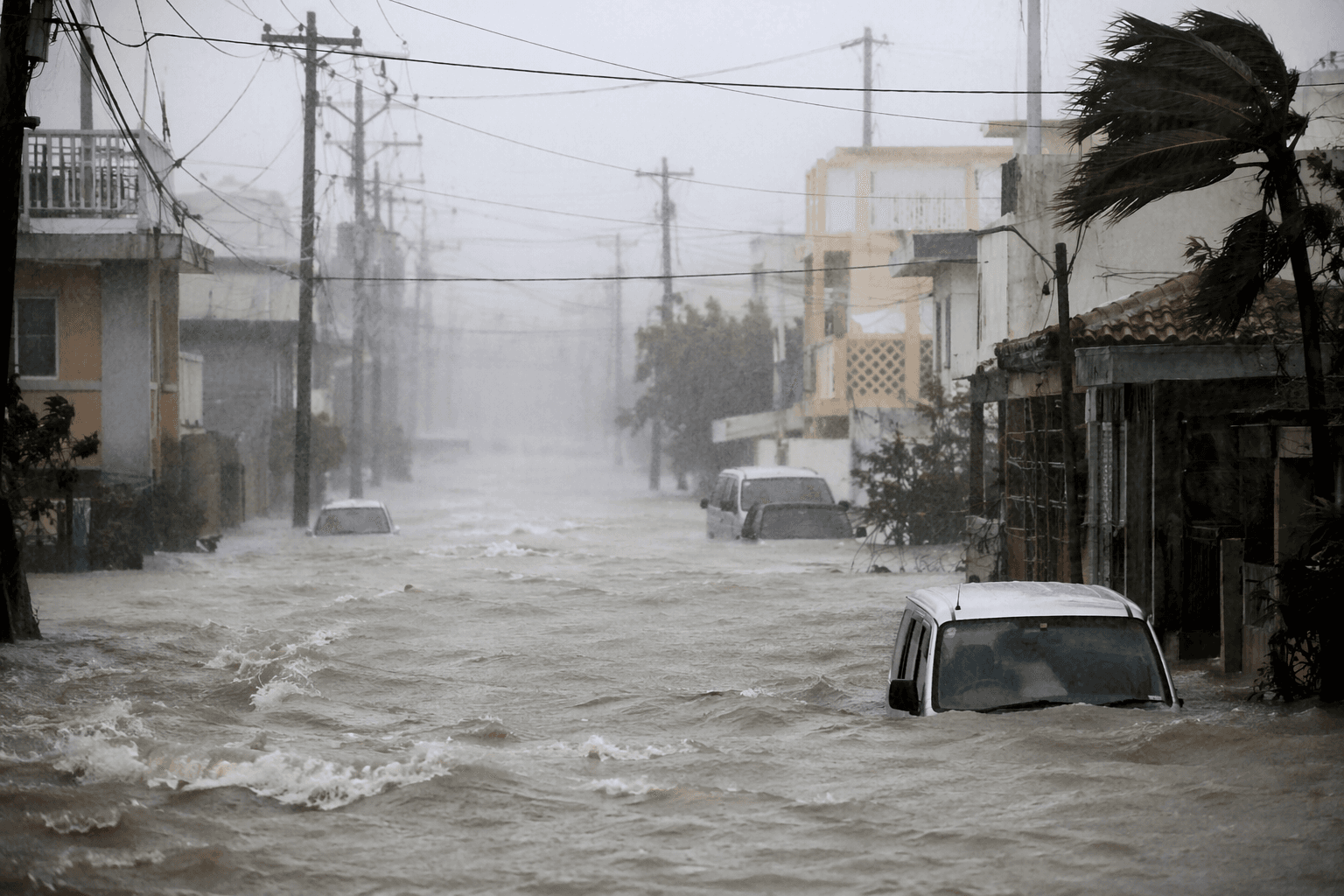
The alert marked the first use of the new emergency river flooding warning since the revised disaster prevention weather information system came into operation at the end of May. It came as linear rain bands formed over southern Tokushima and Wakayama prefectures early Wednesday, and the agency warned that extremely heavy rain in those same areas posed a heightened risk of life-threatening disasters. Overnight, Level 4 urgent flood warnings had already been issued for rivers in both prefectures, signaling that the threat was escalating before Jangmi’s center even made landfall.
Wider effects were already being felt beyond Wakayama. Reporting on the storm said Jangmi disrupted flights and trains, while power outages affected tens of thousands of homes across Japan. Heavy rain also hit the Tokyo metropolitan area, swelling rivers and adding to transport disruption.
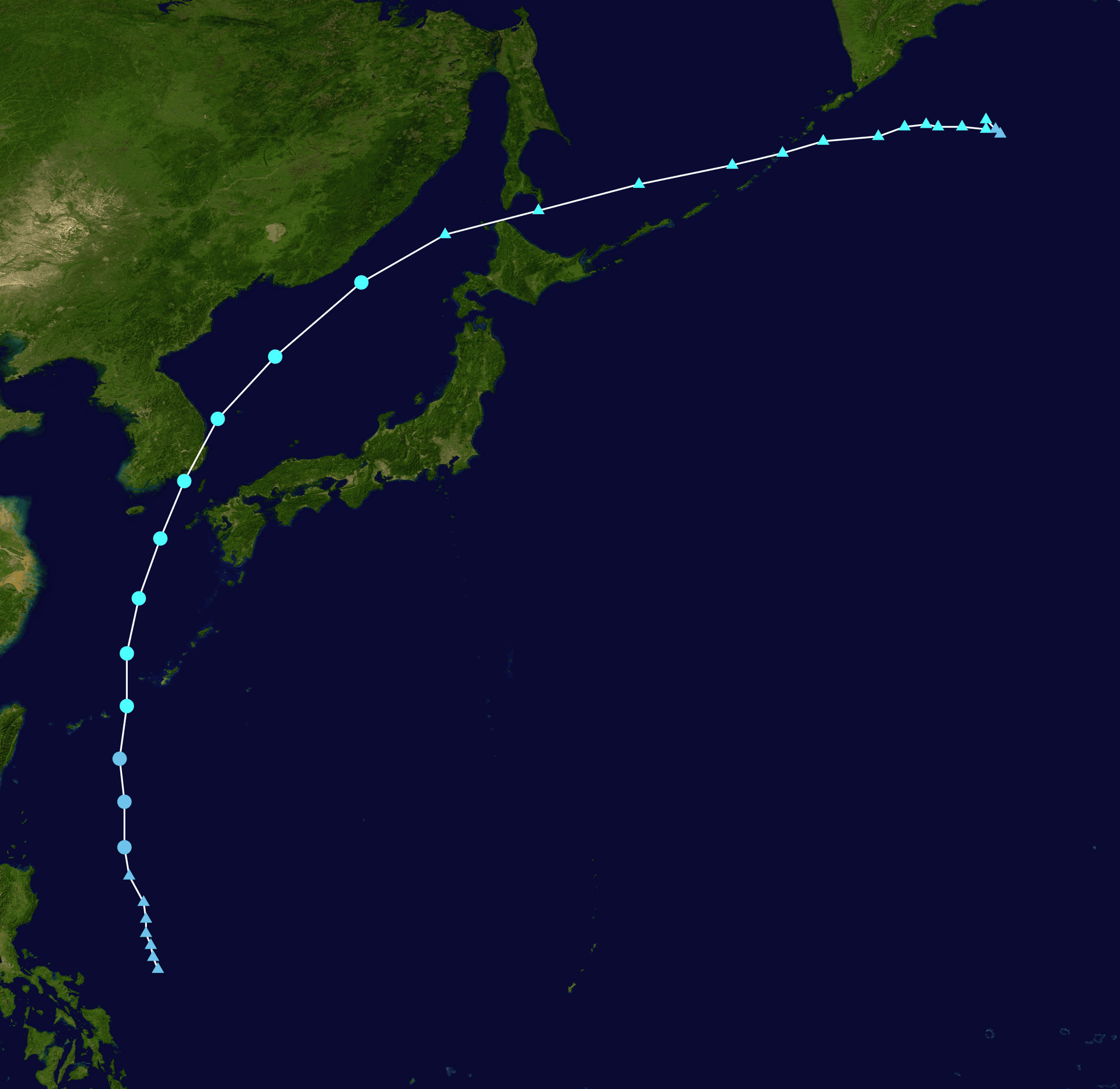
For Japan, the episode is more than a one-off emergency in western Honshu. It shows that modern typhoon danger is increasingly defined by inland flooding, rapid river overflow and the speed of warning systems, not just by wind. That lesson matters far beyond Wakayama, especially for communities in the United States facing wetter storms, faster runoff and the same race between forecasts, evacuations and rising water.
This article was produced by Prism’s automated news system from verified source data, official records, and press releases, then run through automated quality and moderation checks before publishing. The system is built and supervised by the people who set the standards it runs under. Read our full AI policy.
Know something we missed? Have a correction or additional information?
Submit a Tip