Tyra Banks sues Netflix over edited America’s Next Top Model documentary
Tyra Banks says Netflix cut her three-and-a-half-hour interview to 16 minutes, turning a Top Model documentary into a false portrait.
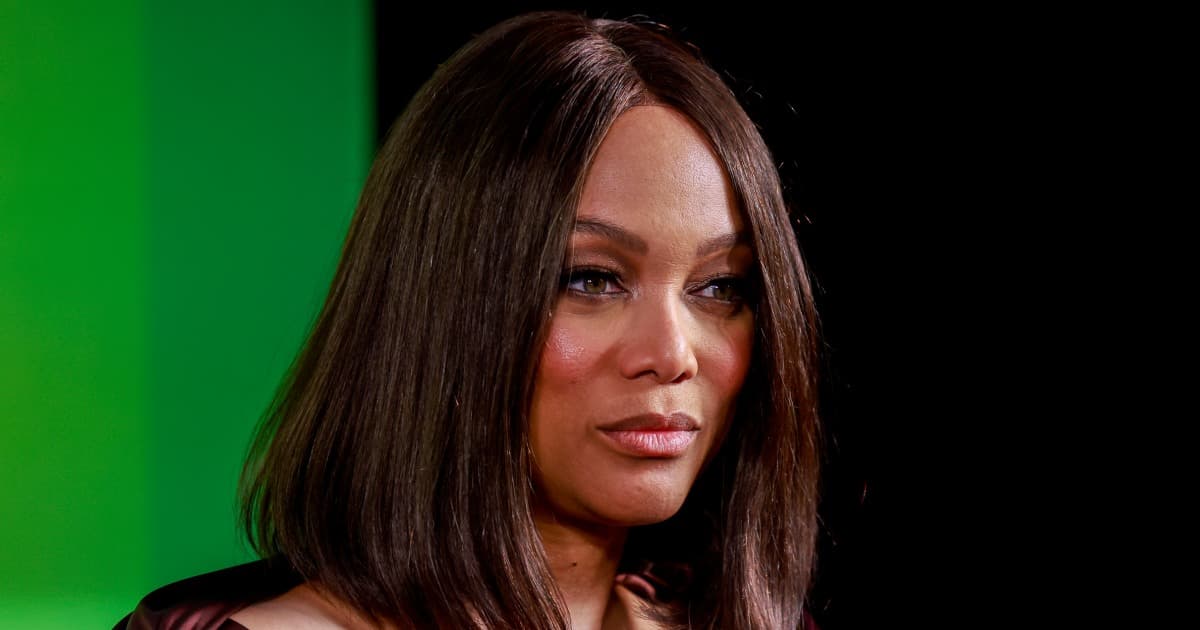
Tyra Banks is taking Netflix to court over a documentary that revisits America’s Next Top Model through its most damaging controversies, saying the streamer turned her participation into a false and defamatory portrait. The defamation suit, filed Saturday, names Netflix, EverWonder Studio, Wise Child Studio, and directors Mor Loushy and Daniel Sivan, and says Banks was promised room for a “candid conversation about the show’s legacy.”
Banks’ complaint says she spent more than three hours, and in some accounts three and a half hours, speaking with producers, but only about 16 minutes made it into Reality Check: Inside America’s Next Top Model. She alleges the edit stripped away context, then reshaped her words to suggest she knew a contestant had been sexually assaulted on the show, exploited that trauma for ratings, and could not remember the incident when asked. The lawsuit also seeks a jury trial and damages for lost business opportunities.
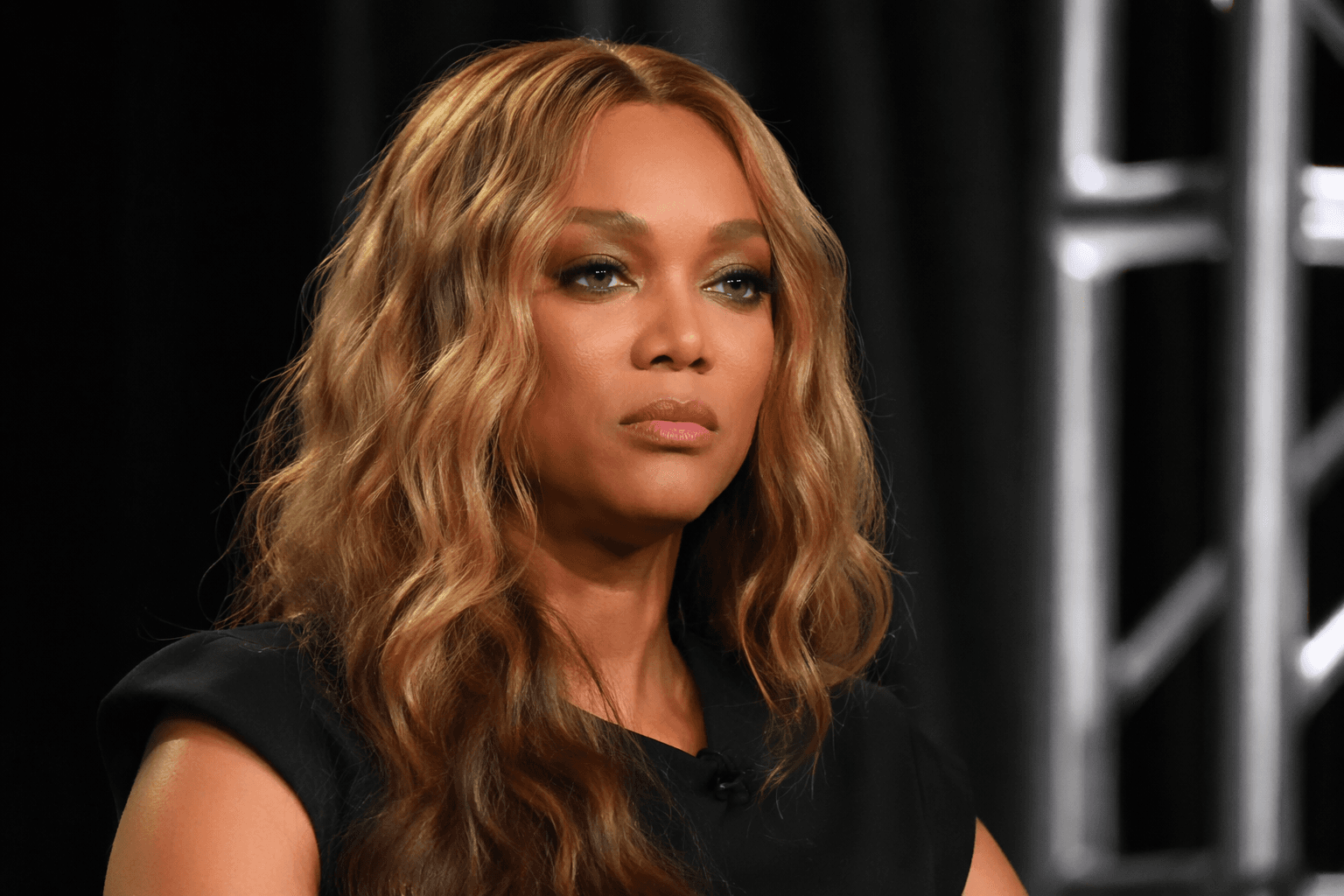
The three-part Netflix series premiered on February 16 and includes interviews with models, judges and other insiders, including Banks herself. Netflix has described it as a look back at the show’s “complicated legacy,” while the series also revisits allegations involving an early contestant’s claim of sexual assault on camera, another contestant’s cosmetic surgery to stay in the competition, and a blackface challenge that has drawn scrutiny long after the series ended. America’s Next Top Model ran for 24 seasons and, at its peak, Netflix says the franchise reached more than 100 million viewers worldwide.
The fight lands at a moment when streaming platforms are repackaging reality-TV history as documentary truth, with old footage, fresh confessionals and new editorial choices carrying legal as well as cultural weight. Banks’ suit puts a sharper edge on that tension: if a retrospective can be framed as a documentary while compressing a participant’s answers into a story she says she never told, the dispute reaches beyond one show and into the limits of consent, archival context and accountability in the streaming era.
This article was produced by Prism’s automated news system from verified source data, official records, and press releases, then run through automated quality and moderation checks before publishing. The system is built and supervised by the people who set the standards it runs under. Read our full AI policy.
Know something we missed? Have a correction or additional information?
Submit a Tip