UAE to exit OPEC and OPEC+ in 2026 after capacity review
The UAE will leave OPEC and OPEC+ on May 1, a rare break that could weaken price discipline and reshape Gulf oil politics.
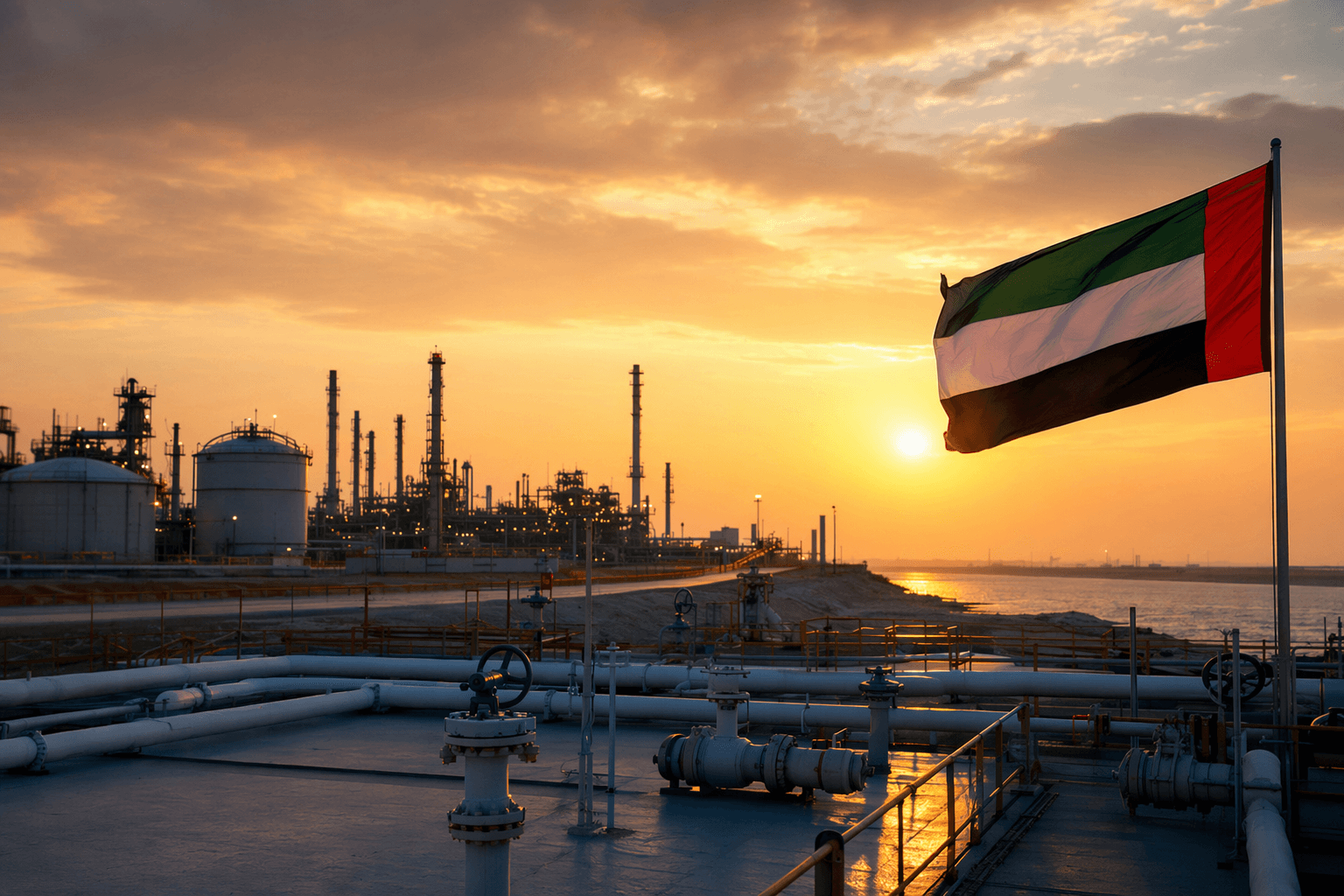
The United Arab Emirates is breaking with the cartel that has helped shape oil prices for nearly six decades, a move that could reverberate well beyond Vienna and the Gulf. The UAE said it would exit OPEC and OPEC+, effective May 1, 2026, after a comprehensive review of its production policy and its current and future capacity, and it tied the decision to accelerated investment in domestic energy production and its long-term economic strategy.
The split matters less for what changes on day one than for what it signals. Once the exit takes effect, the UAE will no longer be inside the OPEC and OPEC+ framework that coordinates production policy among major exporters. Symbolically, it marks a fracture inside a system founded in Baghdad in September 1960 by Iran, Iraq, Kuwait, Saudi Arabia and Venezuela. The UAE joined OPEC in 1967 through Abu Dhabi and remained in the group after the federation was formed in 1971, ending nearly six decades of membership.
The UAE has been one of the cartel’s most important members. CNBC reported it was OPEC’s third-largest producer in February, behind Saudi Arabia and Iraq. The U.S. Energy Information Administration says the UAE is one of only two OPEC members, alongside Saudi Arabia, with notable spare crude oil production capacity, a crucial lever in OPEC’s effort to manage supply and influence prices. That is why analysts view the exit as more than a personnel or protocol change. Rystad Energy analyst Jorge Leon said, “The UAE withdrawal marks a significant shift for OPEC,” adding that the group could emerge structurally weaker.
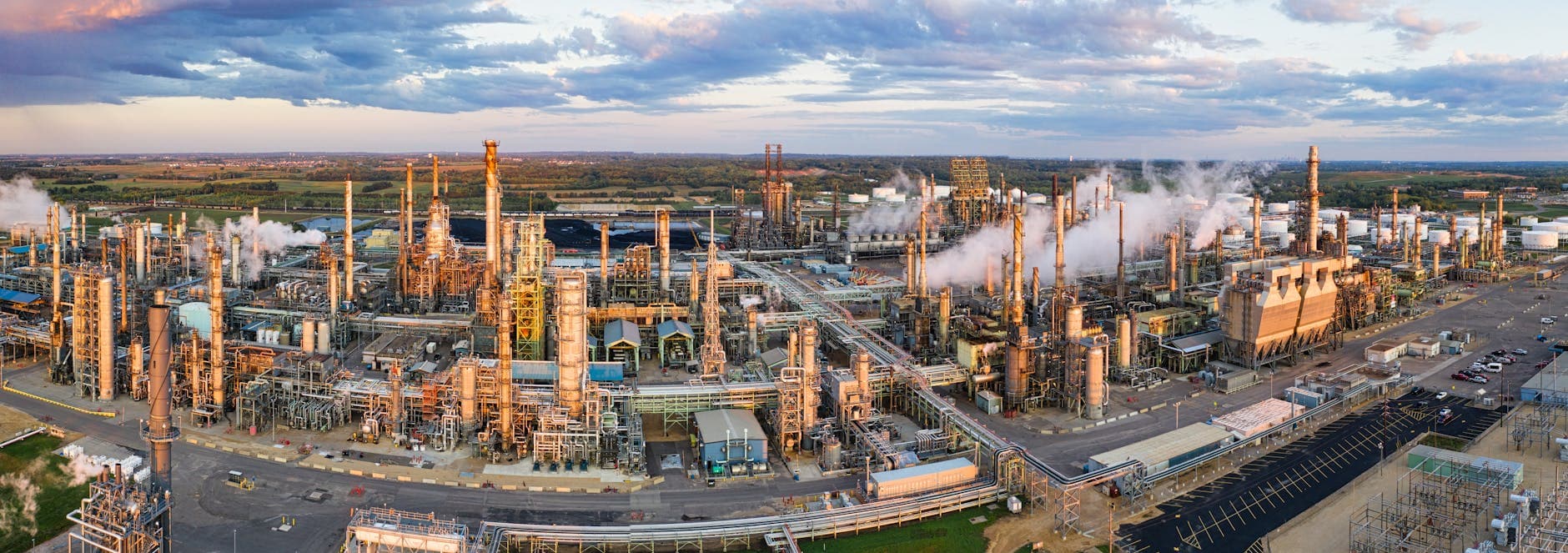
For markets, the timing is especially sensitive. Reuters reported that oil prices were already climbing sharply as the war with Iran disrupted supply and shipments through the Strait of Hormuz, a chokepoint that carries much of the region’s crude. The UAE itself has faced missile and drone attacks and shipping disruptions tied to that conflict, limiting its ability to move oil freely. Even so, the UAE said it would continue to bring additional production to market gradually and in line with demand and market conditions, while insisting that its exit does not change its commitment to global market stability.
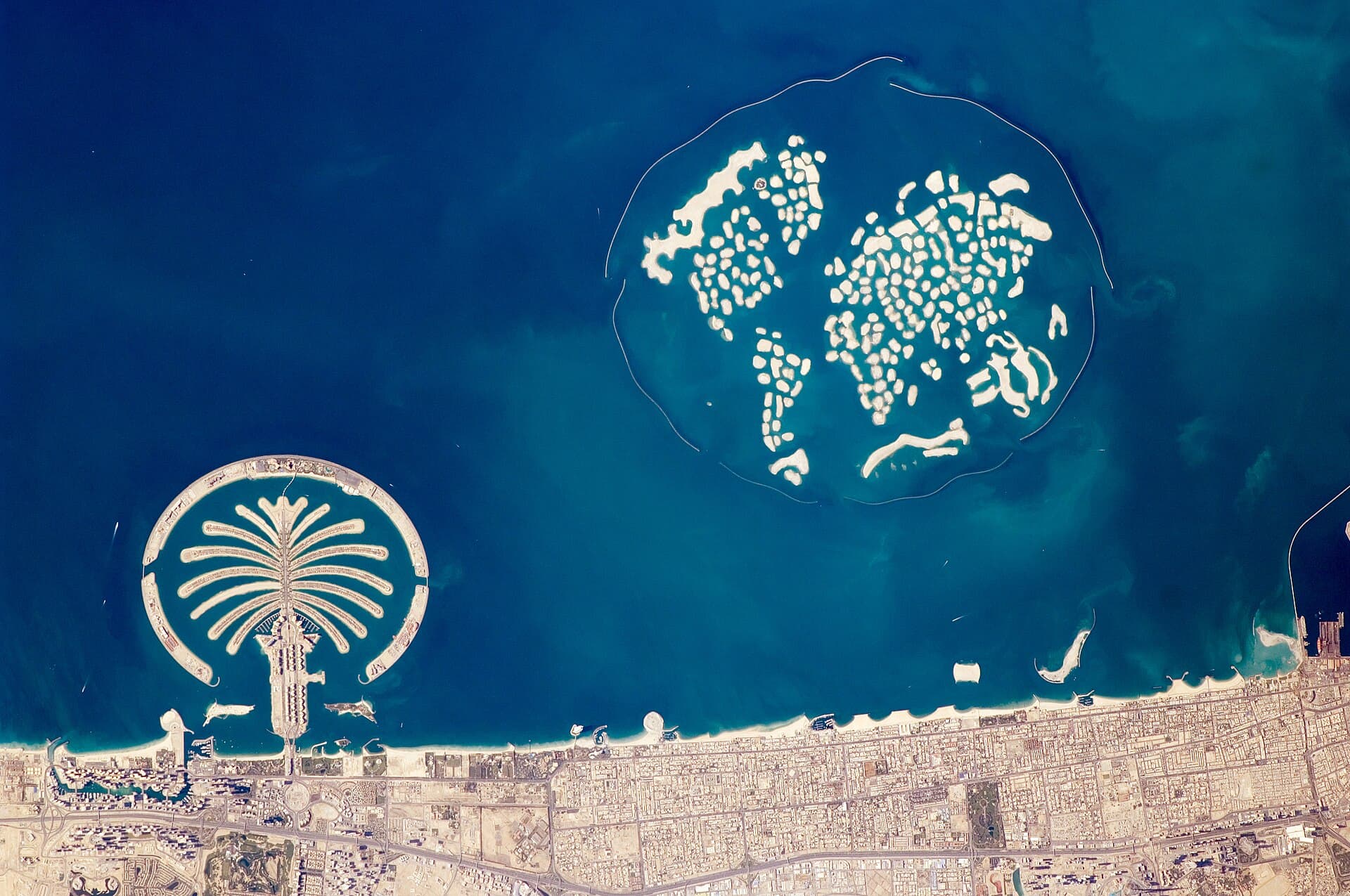
That leaves two competing forces: a potentially weaker OPEC structure over time, and a near-term market still driven by war risk, shipping bottlenecks and tight spare capacity. If oil-price discipline erodes further, the effects could reach U.S. consumers through higher gasoline costs, especially if crude stays elevated and Gulf supply remains under pressure. The UAE’s departure does not redraw the oil map overnight, but it does open a new fault line in an already strained global energy order.
This article was produced by Prism’s automated news system from verified source data, official records, and press releases, then run through automated quality and moderation checks before publishing. The system is built and supervised by the people who set the standards it runs under. Read our full AI policy.
Did this article answer your question?


