UAW presses for tougher trade rules ahead of USMCA talks
In Detroit, the UAW pushed trade talks beyond tariffs, demanding wages, enforcement and plant-location rules before July 1 review talks begin.

The United Auto Workers tried to set the terms of North American trade talks before negotiators even sat down, arguing in Detroit for rules that would force automakers to raise pay, strengthen labor enforcement and build vehicles where they sell them.
The union’s message landed as the U.S.-Mexico-Canada Agreement headed toward its July 1, 2026 joint review, with formal negotiations between the United States and Mexico expected to begin next week. Shawn Fain made the UAW’s line clear: if the next trade arrangement did not deliver stronger worker protections, the United States should walk away from it.
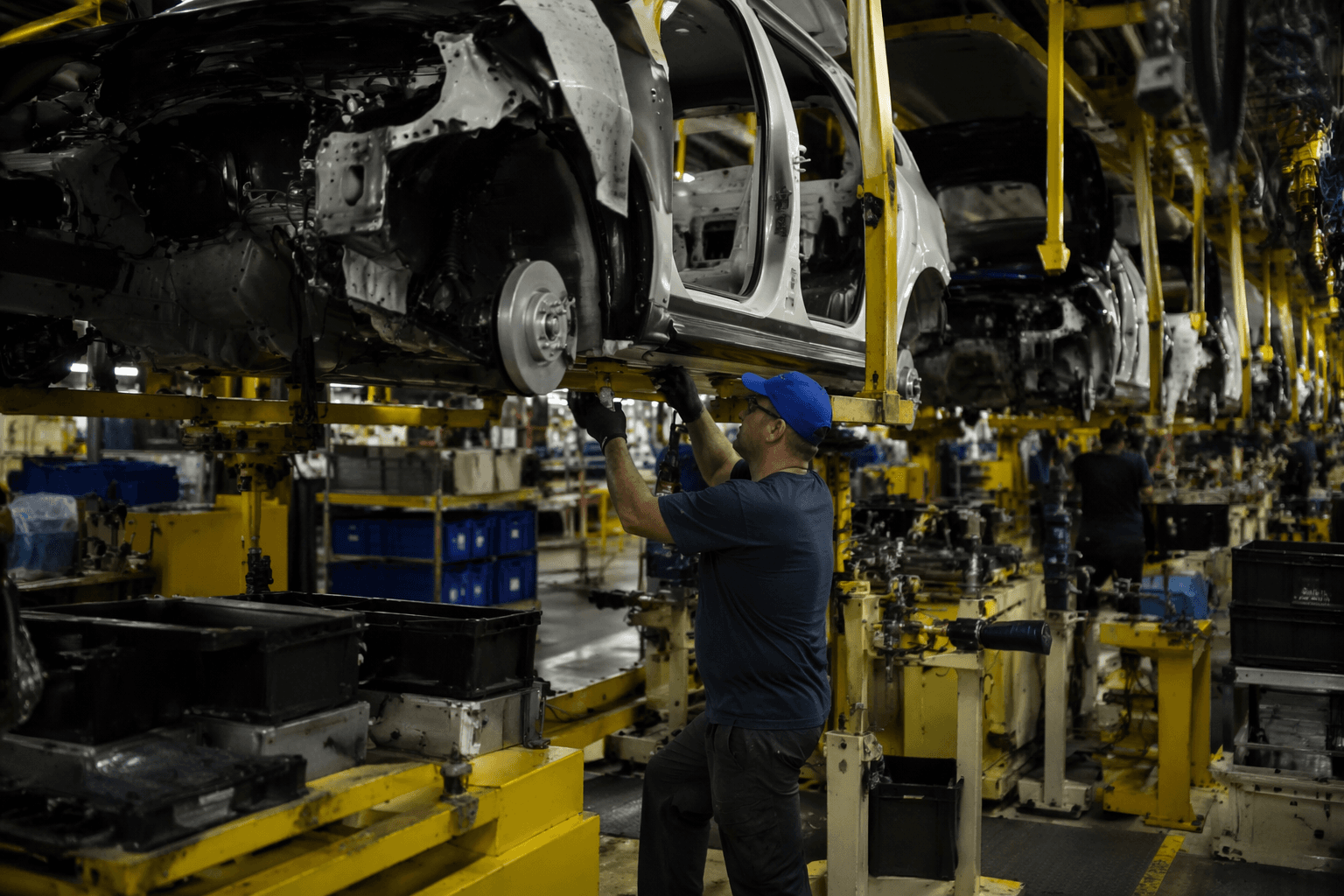
The union wants Mexico’s labor laws expanded and enforced, wages raised and health and safety standards improved. It also wants trade policy to push automakers toward local production, a direct challenge to the long-running model that has spread North American auto work across borders in search of lower costs. For the UAW, this review is not just about tariff levels. It is an attempt to rewrite the rules around wages, plant location and compliance before corporate interests lock in the agenda.
That argument rests on a familiar union critique. The UAW has long viewed free-trade deals as a driver of blue-collar job losses, and it has cast the 2026 review as a chance to reverse that pattern. The union said hundreds of members were speaking out for a “worker-centered” trade deal, underscoring how central the issue has become inside its membership.
The economic stakes are large. A revised USMCA could include higher U.S. content requirements for vehicles that cross borders duty-free, which would ripple through supply chains and add costs. Boston Consulting Group estimated that a repeal of the current arrangement could add $33 billion in tariff-related costs to the North American automotive industry, one reason major auto trade groups urged the Trump administration in May to extend the deal instead of reopening it.
Labor enforcement is already part of the existing pact. The USMCA includes a Facility-Specific Rapid Response Labor Mechanism between the United States and Mexico, and the USTR said it has delivered remedies including reinstatements, union representation, backpay and wage increases. Washington invoked the mechanism in 2025 at Aludyne, Amphenol, ThyssenKrupp and Yazaki, and announced a resolution at ThyssenKrupp in March 2026.
U.S. Trade Representative Jamieson Greer briefed Congress in December 2025 ahead of the review, after a public consultation process launched in September 2025. He said in April that the administration would try to resolve as many issues as possible before July 1, but that talks could continue past the deadline, even if that meant taking steps toward exit to keep negotiations alive.
Know something we missed? Have a correction or additional information?
Submit a Tip