Uber plans sensor-equipped driver cars to collect autonomous vehicle data
Uber is preparing to turn some drivers’ cars into data-gathering sensors, a move that could shift mapping costs onto gig workers and deepen fights over who owns road data.
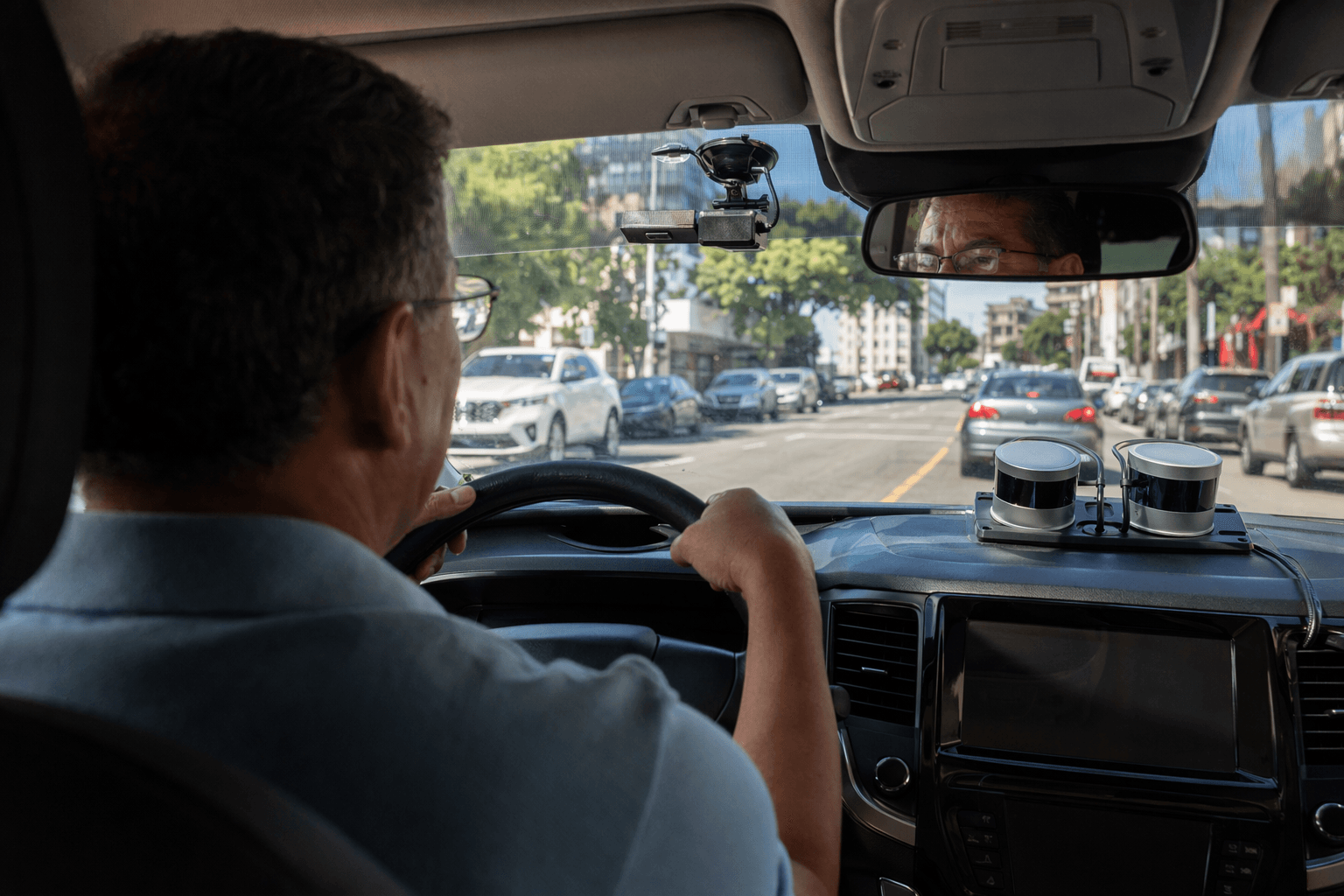
Uber is laying the groundwork to turn human drivers’ cars into rolling sensors for autonomous vehicle companies, a shift that would recast gig workers as infrastructure in a data race worth billions. Praveen Neppalli Naga, Uber’s chief technology officer, said the idea is a natural extension of AV Labs, the company’s new unit for collecting driving data, but he also said the plan still depends on sensor testing and state-by-state regulatory clarity on what the hardware means and how the data can be shared.
For now, AV Labs runs on a small fleet of Uber-operated sensor-equipped cars. Uber launched the unit on January 27, 2026, saying it serves more than 20 autonomous vehicle partners and is meant to make real-world driving data available to companies such as Waymo, Waabi and Lucid Motors. The company says its broader autonomous strategy now sits under Uber Autonomous Solutions, which combines mapping, regulatory access, real-time support, fleet operations, financing and data services.
The stakes go beyond convenience. Uber says it already has data from billions of trips, and that its data-collection fleets and dashcam networks have captured more than 100,000 hours and millions of miles of footage across the United States and Europe. Naga argued that the main bottleneck in autonomy is not the underlying technology but the shortage of data, especially rare edge cases that are hard to collect at scale. If Uber extends those sensors to its driver network, the company could convert ordinary rides into a large-scale source of training data while leaving open who controls that information and whether drivers will be paid for generating it.
Uber’s push comes after a long and costly turn in self-driving. Its earlier robotaxi effort ended after a pedestrian was killed by a test vehicle in 2018, and the unit was later sold to Aurora in 2020. The new strategy instead positions Uber as the middle layer between AV firms and the roads themselves, a role the company has accelerated in 2026 with a $300 million investment in Lucid and a commitment to buy 20,000 Lucid EVs for a robotaxi program.
The company also announced a partnership with NVIDIA on March 16, 2026, to launch Level 4 software-driven robotaxis on Uber across 28 cities by 2028. Three days later, Uber announced a Rivian partnership that could lead to as many as 50,000 fully autonomous robotaxis, with initial deployments planned for San Francisco and Miami in 2028 and expansion to 25 cities by 2031. If Uber succeeds, the company could end up owning not just the ride marketplace, but a major share of the road data economy that autonomous vehicles depend on.
This article was produced by Prism’s automated news system from verified source data, official records, and press releases, then run through automated quality and moderation checks before publishing. The system is built and supervised by the people who set the standards it runs under. Read our full AI policy.
Did this article answer your question?