Solar streetlights with Nvidia chips pitched as distributed AI data centres
Solar streetlights packed with Nvidia chips promise local compute, but cities could inherit privacy, security and maintenance headaches.
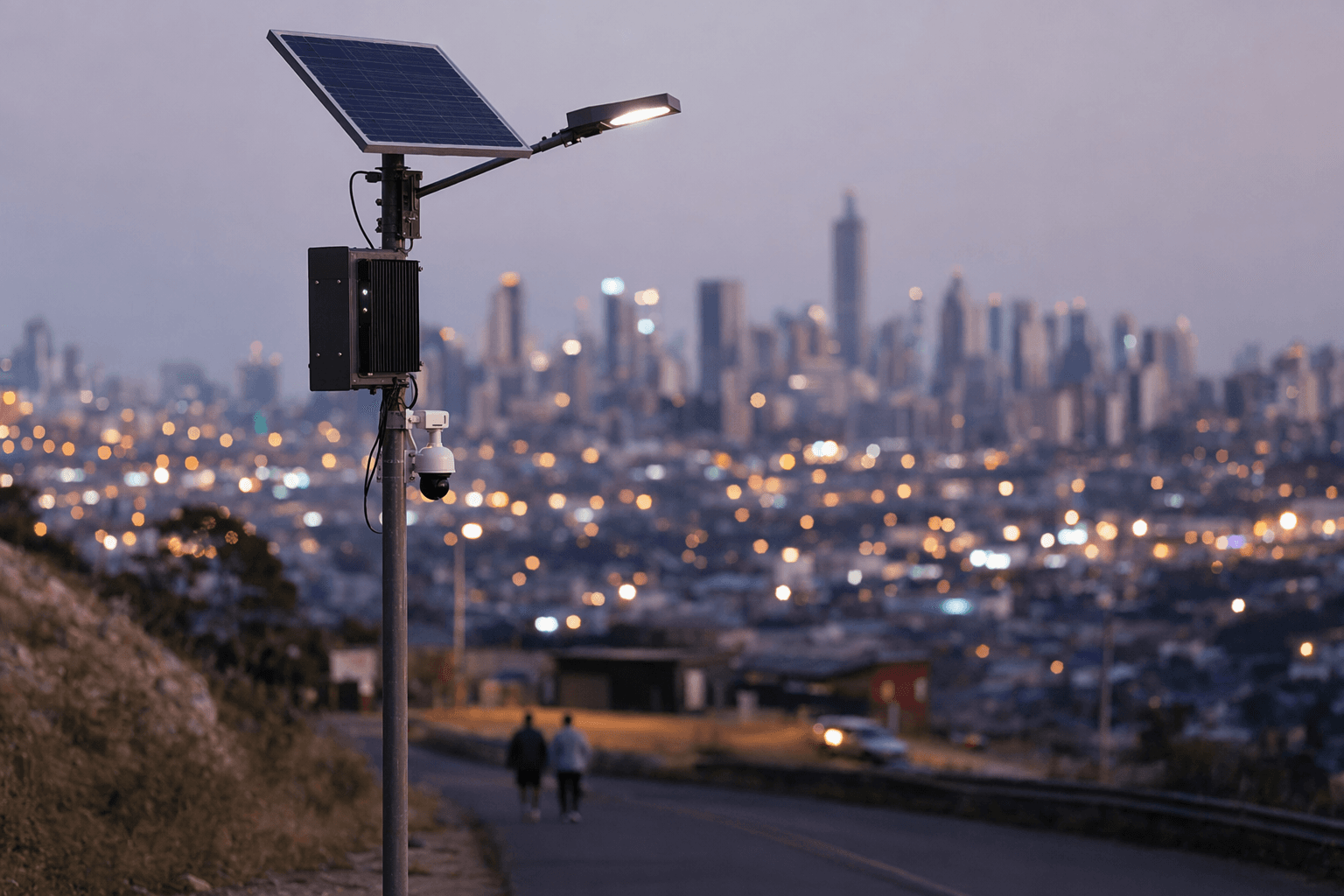
A solar-powered streetlight packed with an Nvidia chip is being pitched as a way to push computing closer to where it is used, cutting latency and easing pressure on power-hungry data halls. The pitch is simple: turn ordinary lampposts into tiny edge nodes that draw little power, support local services and avoid the scale, cost and grid strain of a conventional data centre.
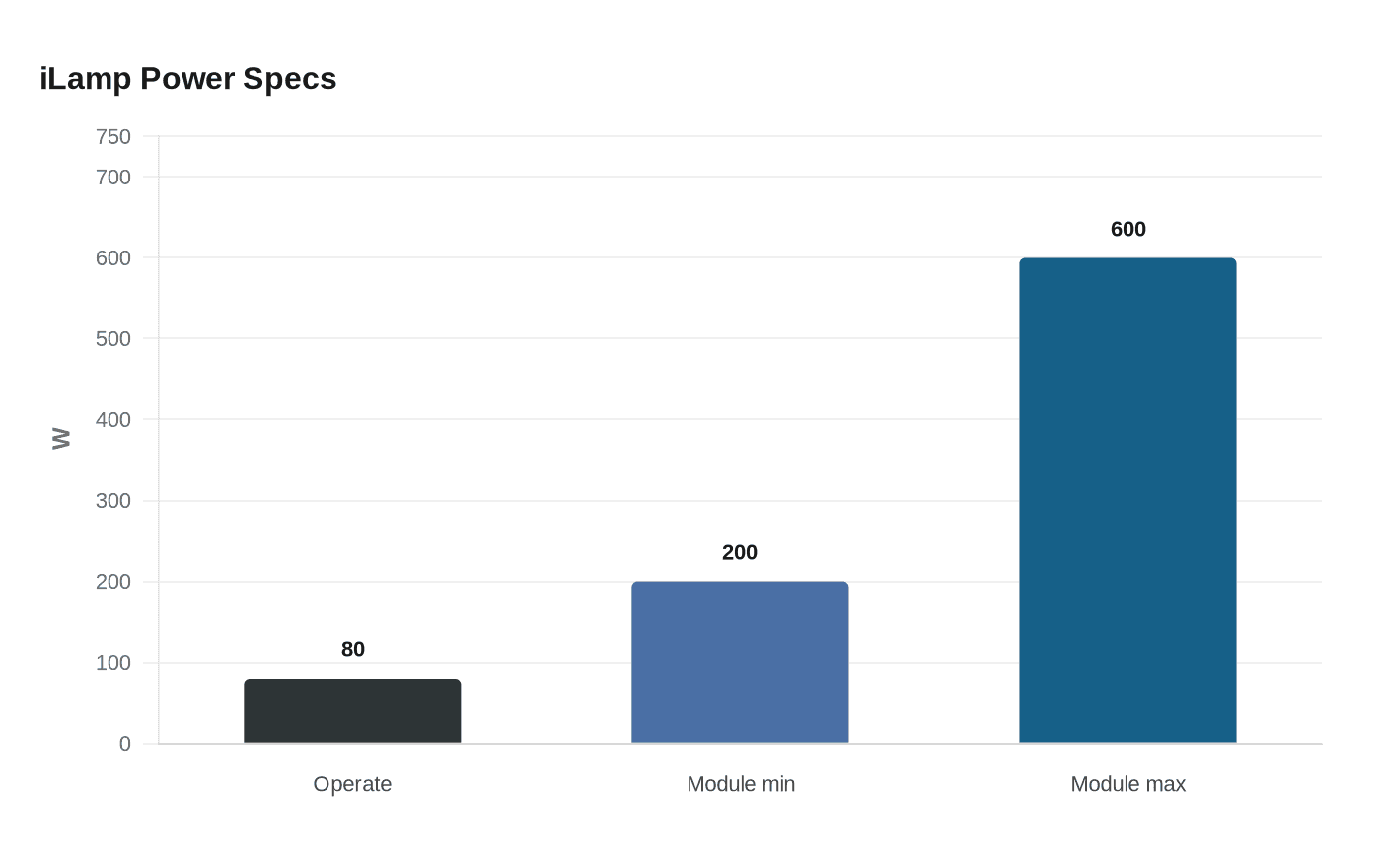
Warwickshire-based Conflow Power Group Limited says its iLamp system can do more than illuminate a road. Each unit is designed to use about 80W to operate while supplying 200W to 600W to external modules, including Nvidia Jetson hardware. The company says the same pole could also host 5G WiFi, traffic-management tools, CCTV and environmental sensors, creating a distributed network rather than a single warehouse-style computing site. Conflow Power Group says it has signed a formal agreement with a Nigerian state to deploy 50,000 iLamps, and says it is also in final-stage negotiations with schools and local authorities in Florida.
The appeal comes at a moment when data centres are already under political and economic pressure. The International Energy Agency says electricity demand from data centres worldwide is set to more than double by 2030 to around 945 terawatt-hours, with AI the main driver. The agency says a typical AI-focused data centre can use as much electricity as 100,000 households, a scale that has sharpened scrutiny of where the sector builds next and who pays for the power it consumes.
In the United Kingdom, tech industry lobby group techUK says the two biggest barriers to expanding data centres are planning permission and delays in securing grid connections. The UK government has already moved to treat data centres as critical national infrastructure and has proposed changes to make major projects easier to approve. That policy shift reflects the sector’s economic weight, with trade and industry commentary pointing to billions in contribution and tens of thousands of jobs, even as public unease grows over land use, power demand and who gets the benefits.
That is where the iLamp pitch runs into harder questions. Putting cameras, sensors and AI hardware into public street furniture may help cities monitor traffic or manage infrastructure, but it also concentrates surveillance capability in everyday neighbourhoods, often far from the oversight that comes with a conventional facility. No full-scale iLamp deployment appears to be operating yet, leaving the concept at an experimental stage and its promise of cleaner, faster local computing still untested against the realities of security, maintenance and scale.
This article was produced by Prism’s automated news system from verified source data, official records, and press releases, then run through automated quality and moderation checks before publishing. The system is built and supervised by the people who set the standards it runs under. Read our full AI policy.
Did this article answer your question?