Amazon expands price history tool ahead of June Prime Day 2026
Amazon is adding a 365-day price history view to Rufus, just weeks before June Prime Day 2026. The move could help shoppers spot real discounts, or simply trust Amazon’s own price swings more.

Amazon has expanded its built-in price tracker to show a full year of price history, a move that could change how millions of shoppers judge whether a discount is real before June Prime Day 2026. The update now gives customers 30-day, 90-day and 365-day views inside the Amazon app, where the “Price history” button sits next to an item’s listed price. Shoppers can also ask Rufus, Amazon’s agentic AI shopping assistant, to surface the same information.
The timing is deliberate. Amazon said Prime Day 2026 will return in June and span 26 countries, placing the price-history tool in front of bargain hunters just as spending pressure is likely to peak. Amazon said more than 50 million customers have already used the feature since it launched in 2024, a sign that price tracking has moved from a niche comparison habit to a mainstream shopping tool.
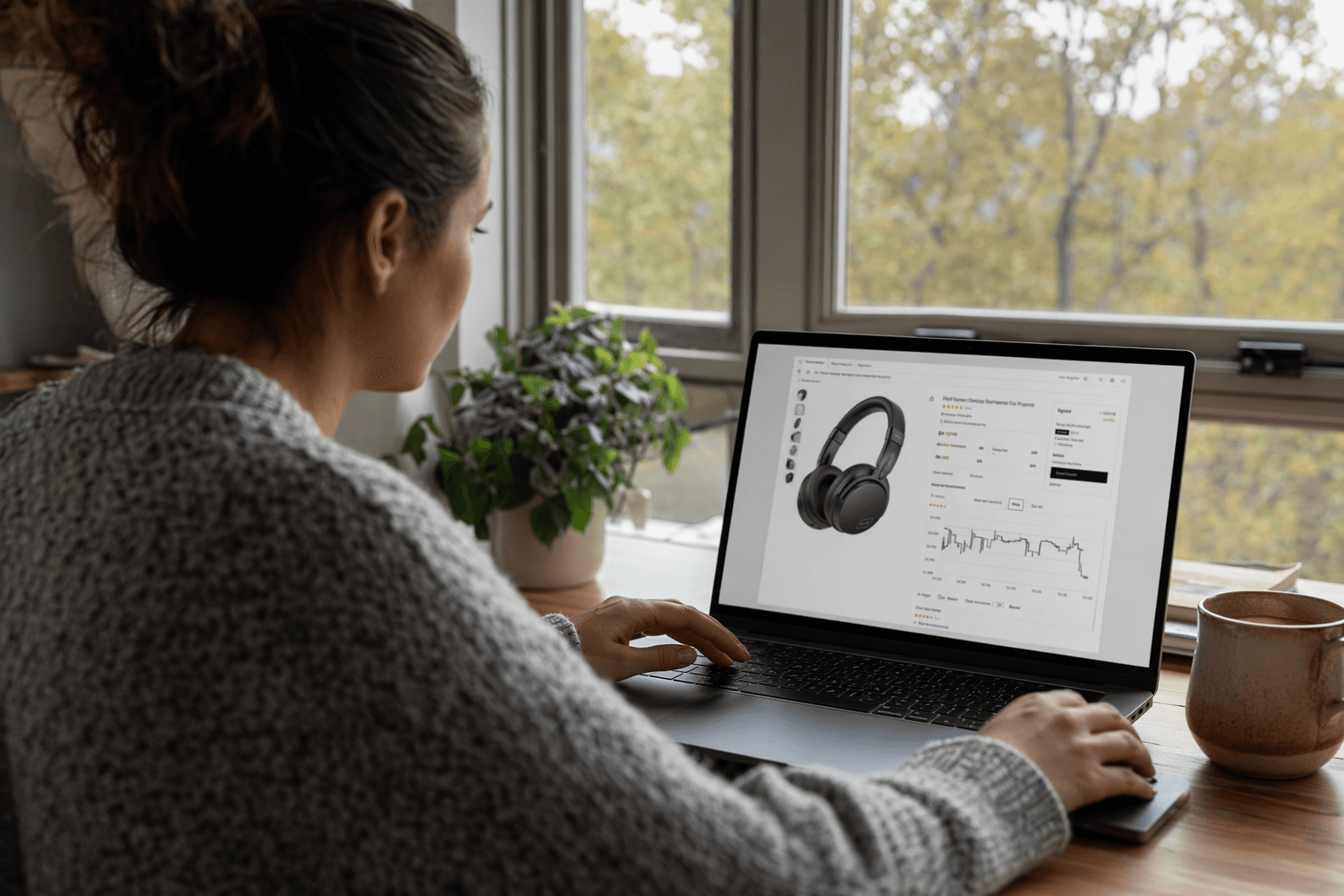
For consumers, the longer lookback matters. A 30-day chart can catch a quick markdown, but a 365-day window makes it easier to see whether an item was genuinely discounted or simply cycled through a higher sticker price before a sale event. That kind of transparency can make shoppers more cautious, especially in categories where frequent promotions blur the line between everyday pricing and a temporary deal.
The bigger question is whether Amazon is opening the door to broader comparison-shopping or building more trust in its own marketplace. Rufus is designed to help customers with personalized recommendations, deal-finding and auto-buying items when they hit a target price. Amazon has also said Rufus can tell customers whether they are getting the best price, while its earlier product descriptions said the assistant was trained on Amazon’s catalog and information from across the web to answer shopping questions and guide discovery.

That gives Amazon a powerful role in how value is framed. A price-history chart can help shoppers think more critically, but it also keeps the entire comparison process inside Amazon’s own ecosystem. For a company preparing to push Prime Day across 26 countries, the tool is as much about confidence as convenience, and that may be the point: if shoppers trust Amazon to explain its prices, they may be less likely to look elsewhere.
This article was produced by Prism’s automated news system from verified source data, official records, and press releases, then run through automated quality and moderation checks before publishing. The system is built and supervised by the people who set the standards it runs under. Read our full AI policy.
Did this article answer your question?