Dreame unveils modular AI smartphones as it expands beyond robot vacuums
Dreame put modular AI phones on stage in San Francisco, but the handsets had already debuted in Shanghai. The vacuum giant's phone push looks like an ecosystem bet, not a finished business.

Dreame put two smartphones on display in San Francisco, but the devices had already been shown in Shanghai, underscoring how carefully the robot-vacuum maker is trying to frame a phone business that is still more ambition than proven market position.
At the Palace of Fine Arts, Dreame Technology staged DREAME NEXT from April 27 to 30 as its first multi-day international showcase. The event was divided into five segments, Drive Next, Living Next, Connect Next, Self Next and Humanity Next, and the phone push sat inside Connect Next, where Dreame introduced modular AI smartphones. The company also said Steve Wozniak appeared at the event, giving the launch a jolt of spectacle that did little to settle the larger question of whether Dreame is truly becoming a smartphone brand or simply borrowing the language of one.
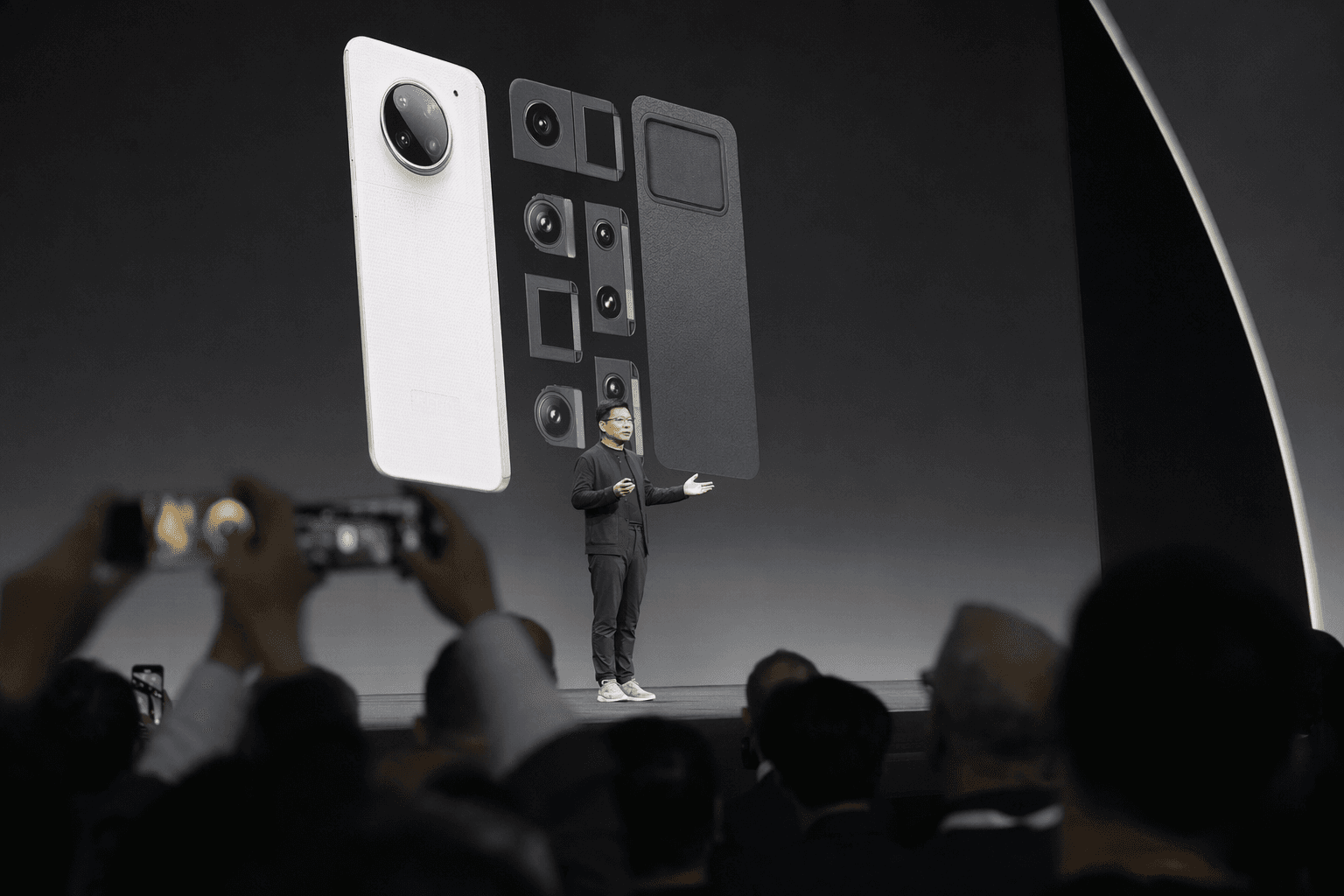
The handsets themselves were presented as premium and experimental. Dreame officially launched the AURORA NEX flagship smartphone and the AURORA LUX luxury smartphone, both after showing a wider AURORA lineup of 29 models at AWE 2026 in Shanghai in March. Among the most aggressive claims was the NEX LS1, which Dreame described as the world’s first modular triple-camera imaging flagship smartphone. The company said the device uses a magnetically attachable external camera module with a 1-inch sensor and a native 115mm optical telephoto lens. Dreame also said its in-house AURORA AIOS 1.0 would arrive in the second half of 2026, alongside more than RMB 10 billion, about $1.38 billion, in planned R&D spending over three years.
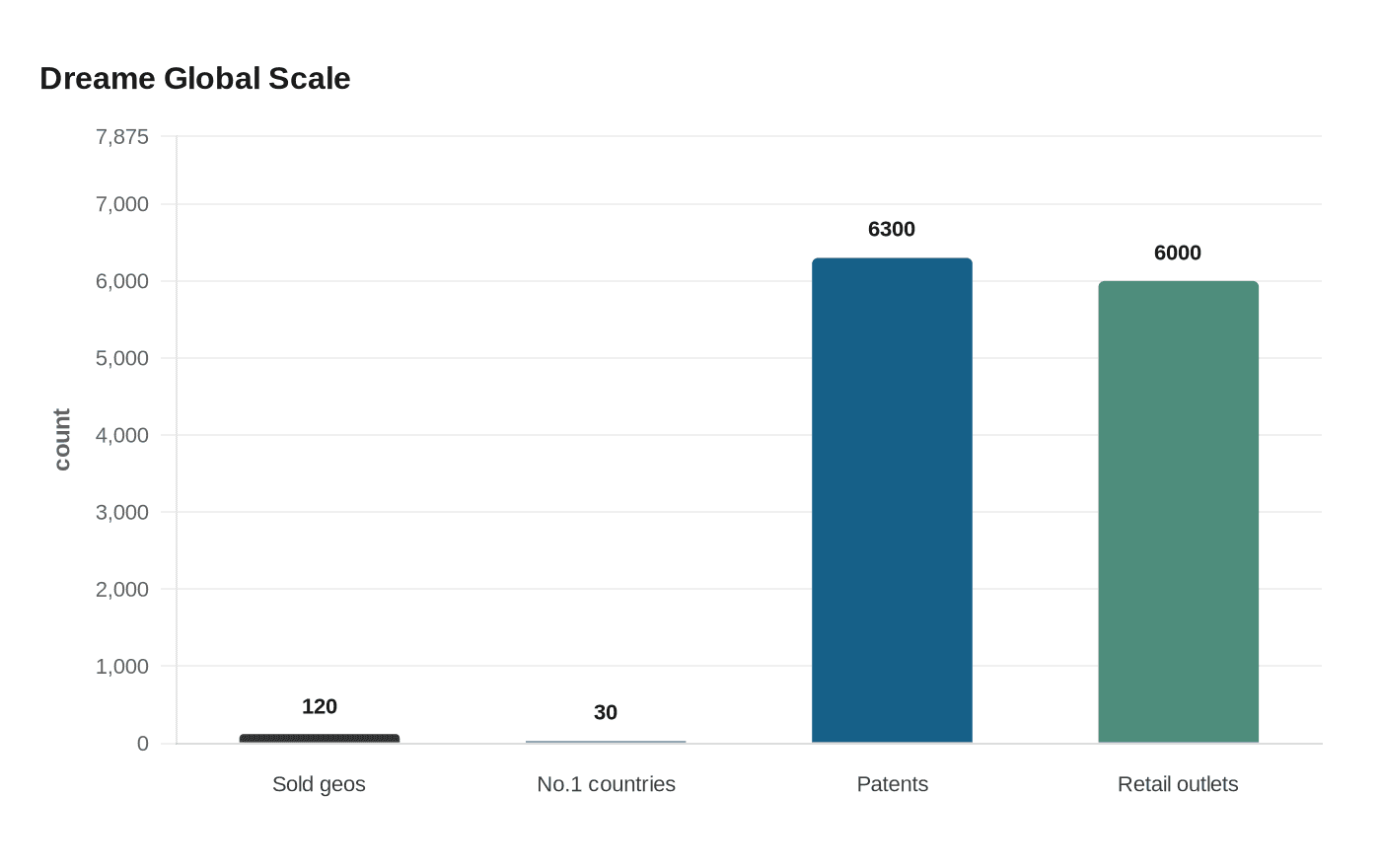
That spending fits a broader expansion strategy that reaches far beyond cleaning gear. Founder and chief executive Yu Hao said Dreame has grown revenue by an average of 100% annually for eight consecutive years since 2017. By the end of 2025, Dreame said its products were sold in 120 countries and regions, with more than 65% of revenue coming from overseas markets. The company also said it held No. 1 robotic-vacuum share in more than 30 countries, had more than 6,300 patents globally, and sold through more than 6,000 retail outlets across 100-plus countries and regions.

The phone move now looks less like an isolated launch than another attempt to stitch together a consumer ecosystem around Dreame hardware. In 2025, the company also said it planned an ultra-luxury electric supercar, extending its ambitions into mobility, embodied intelligence and premium personal devices. The real test is not whether Dreame can unveil another product category, but whether it can turn those categories into a durable platform that consumers actually buy into.
This article was produced by Prism’s automated news system from verified source data, official records, and press releases, then run through automated quality and moderation checks before publishing. The system is built and supervised by the people who set the standards it runs under. Read our full AI policy.
Did this article answer your question?


