Ueda speech may signal June BOJ rate hike as inflation pressures build
Ueda’s warning on oil-driven inflation sharpened bets on a June 15-16 BOJ hike, with the yen near 160 and 28 of 34 economists expecting a move.

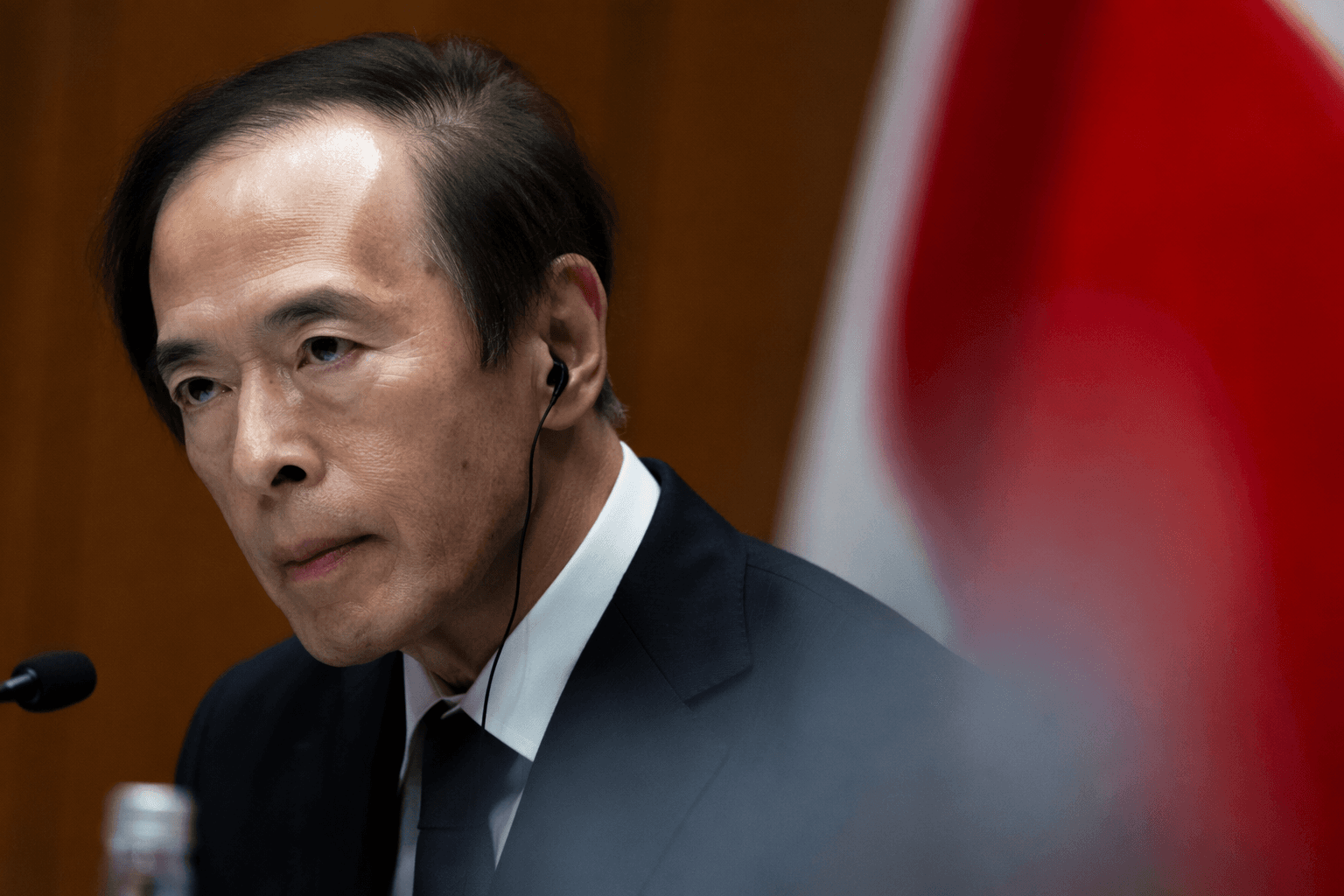
Bank of Japan Governor Kazuo Ueda put markets on alert for a June rate hike as he warned that rising inflation risks, fueled in part by higher crude oil prices, could force the central bank to debate another tightening move. The immediate stakes are large: a small increase from the current 0.75% short-term policy rate would ripple through borrowing costs, the yen, import prices and the global trades built around cheap Japanese money.
Ueda spoke on June 3 in Tokyo at the Kisaragi-kai meeting, one day after the yen briefly touched 160 per dollar for the first time since April 30. That currency weakness matters because it raises the cost of imported fuel and food, adding to inflation pressure at the same time that Japan is trying to avoid derailing a still-fragile recovery. Wholesale inflation hit a three-year high in April, adding to concern that firms are passing on higher costs faster than expected.
At the heart of the debate is whether the Bank of Japan can keep inflation in check without choking growth. In his speech, Ueda said the central bank must thoroughly discuss the pros and cons of a rate increase if inflationary risks outweigh downside risks to the economy. He also said Japan was facing secondary spillover effects from higher crude oil prices that were more likely to push underlying inflation above expectations.
The BOJ’s next monetary policy meeting is set for June 15-16, and its own calendar shows the uncollateralized overnight call rate target around 0.75% ahead of the meeting. Reuters said markets were expecting the bank to lift rates to 1% at that gathering, extending a gradual tightening cycle that began after years of ultra-loose policy. A mid-May Reuters poll found 28 of 34 economists expected exactly that move.
Internal divisions suggest the case for action has strengthened. On April 28, the BOJ voted 6-3 to keep rates unchanged, with Hajime Takata, Naoki Tamura and Junko Nakagawa dissenting in favor of a hike. Their argument, echoed in later comments from two other board members, was that inflation risks from overseas price shocks and a weak domestic policy setting were already mounting.

Any move would matter well beyond Tokyo. Higher Japanese rates would raise financing costs for households and companies, support the yen, and potentially unwind part of the carry trade that has benefited global investors borrowing cheaply in yen. The pressure on Ueda is no longer theoretical. With the yen near 160 and inflation broadening, even a quarter-point shift could signal a new phase for Japan’s economy.
This article was produced by Prism’s automated news system from verified source data, official records, and press releases, then run through automated quality and moderation checks before publishing. The system is built and supervised by the people who set the standards it runs under. Read our full AI policy.
Know something we missed? Have a correction or additional information?
Submit a Tip