UK Adopts Pragmatic EU Reset, Seals New Security Partnership
Britain’s EU reset traded longer fishing access for easier food trade, more airport eGates and a new security pact extending cooperation to 2038.
Britain’s post-Brexit reset with Brussels has moved from political messaging to a concrete package of security, trade and regulatory changes that reaches from defence planning to the food on supermarket shelves. The first EU-UK summit since Brexit, held in London on 19 May 2025, produced a new Strategic Partnership and an EU-UK Security and Defence Partnership, with both sides agreeing to annual summits and regular contact between leaders, ministers and senior officials.
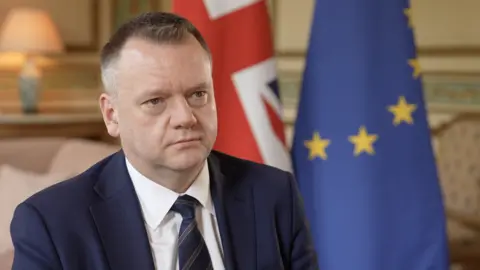
The Labour government, which launched the reset after taking office in July 2024, has cast the effort as a pragmatic response to instability abroad and friction at home. Nick Thomas-Symonds told the BBC the approach was “ruthlessly pragmatic” as ministers sought closer ties with European neighbours. The government has also argued that UK security is indivisible from European security, and the joint statement with the European Union condemned Russia’s war of aggression against Ukraine while reaffirming support for Ukrainian sovereignty and territorial integrity.
For businesses, the clearest gains came in trade and transport. The summit agreement reduced some border red tape for food and drink exports and imports, including the removal of some routine checks on animal and plant products. That matters to British producers trying to move goods across the Channel without delays that can eat into margins and spoil fresh supply chains. Travelers also gained from the prospect of more eGates at EU airports, a practical change aimed at easing queues for British holidaymakers.
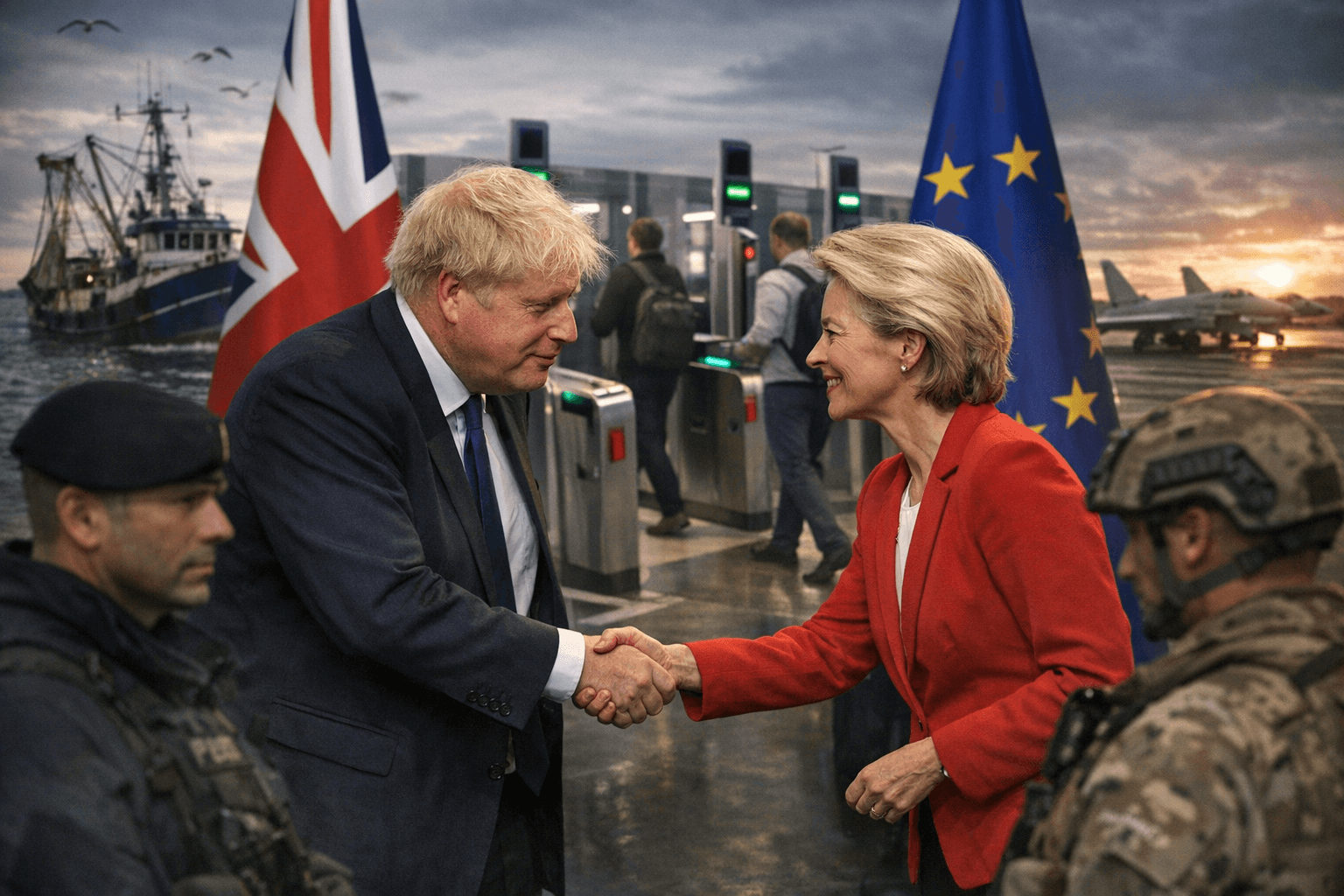
The agreement, however, came with visible concessions. Fishing rights for EU fleets in UK waters were extended until 2038, a decision that drew scrutiny because it amounted to a significant political trade-off for Downing Street. Supporters argued the deal marked a meaningful step in rebuilding relations with the European Union; critics said the government had not gone far enough, particularly on youth mobility. The summit did open the way for further talks on a youth mobility or youth experience scheme, and the Council of the European Union later authorised negotiations on a UK-EU youth experience agreement on 20 June 2025.
The reset also leaves room for more detailed bargaining ahead. The House of Commons Library said the European Commission recommended opening negotiations on a UK-EU sanitary and phytosanitary agreement and on linking emissions trading systems on 16 July 2025. Some of that cooperation could be delivered under existing arrangements, but other elements may need new agreements and, in some cases, UK primary legislation. For Keir Starmer’s government, the central wager is clear: accept some sovereignty and regulatory compromises now in return for lower barriers, tighter security coordination and a more predictable relationship with Britain’s nearest market.
This article was produced by Prism’s automated news system from verified source data, official records, and press releases, then run through automated quality and moderation checks before publishing. The system is built and supervised by the people who set the standards it runs under. Read our full AI policy.
Did this article answer your question?