UK asking prices plateau after sharp post-budget January surge
Asking prices were unchanged in the four weeks to Feb 7, pausing after a 2.8% New Year rally and amid abundant listings and policy shifts.
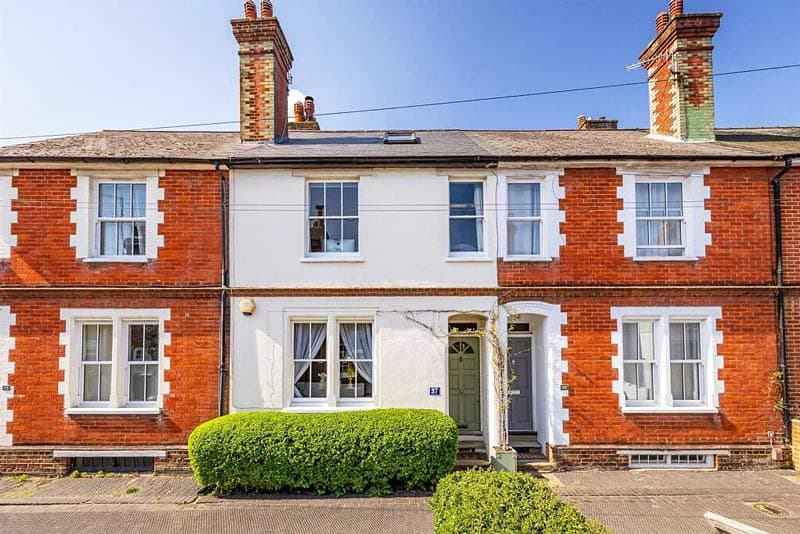
Asking prices for British homes held steady in the four weeks to February 7, Rightmove said, ending a brief New Year rally that had pushed asking prices sharply higher in early January. "Prices showed no change in monthly and annual terms," Rightmove told Reuters, a notable slowdown after a five-week period to Jan 10 in which Rightmove reported a record 2.8% monthly rise and a 0.5% annual increase.
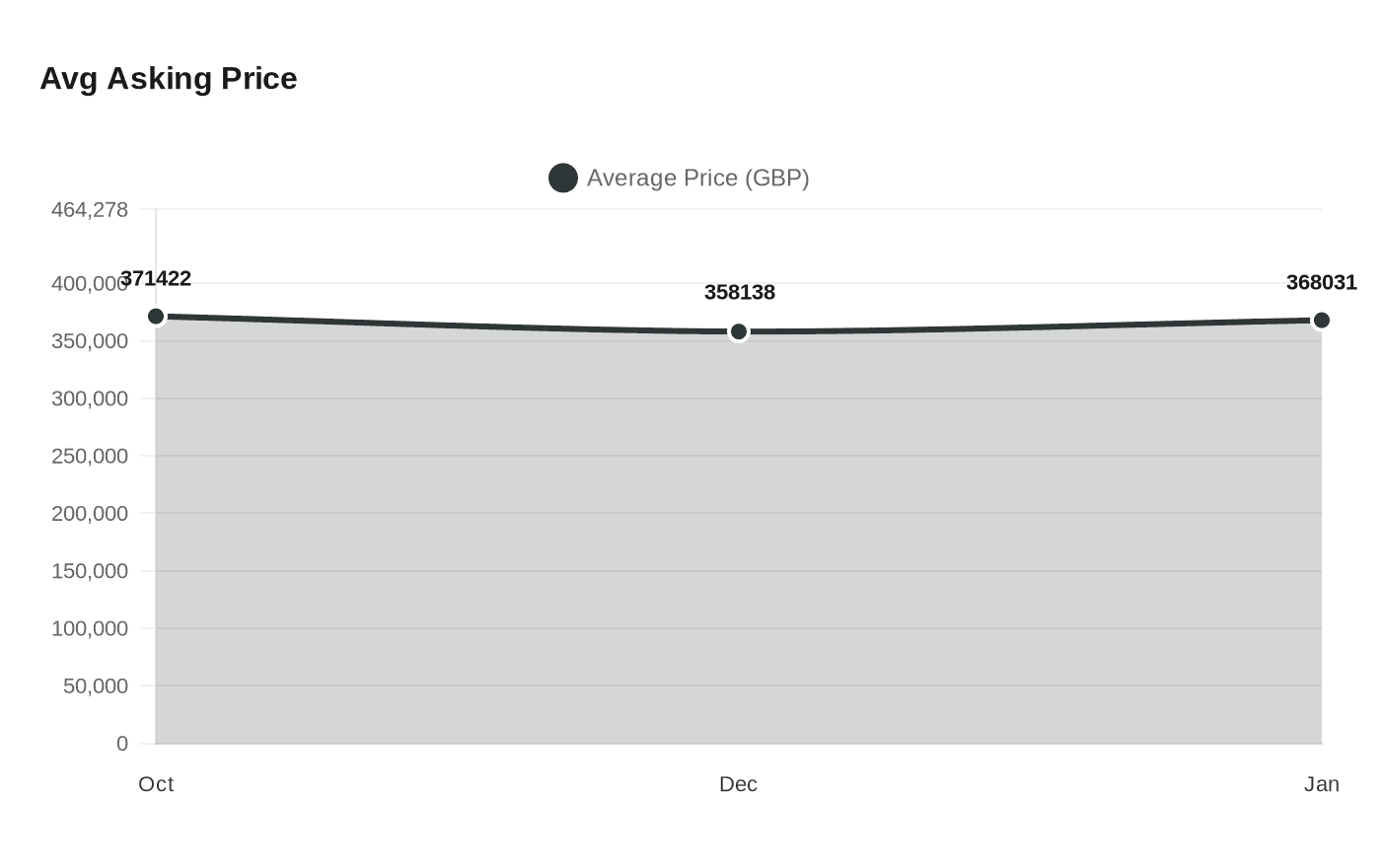
The plateau follows a sequence of policy and market impulses. Finance minister Rachel Reeves’ late November budget, which announced tax rises but delayed most of their implementation, helped kick-start activity, while a Bank of England interest rate cut shortly before Christmas added further momentum, according to market commentators. Homeowners Alliance summarising Rightmove data reported that "the average new seller asking price has risen by 2.8%, or £9,893, month-on-month, taking the typical figure to £368,031. This was the largest increase in the month of January in 25 years, and the biggest rise in any month since June 2015."
Even so, Rightmove’s snapshot for early February showed supply and flows that could constrain a sustained rebound. "The total number of homes for sale was at an 11-year high for the time of year," the company reported, while newly listed properties "fell by 1% from a year earlier, when the market was distorted by the approaching expiry of a tax break for homebuyers, but was 11% higher than two years ago." The number of agreed sales was mixed, "5% below this time in 2025 but 9% higher than at this time in 2024."
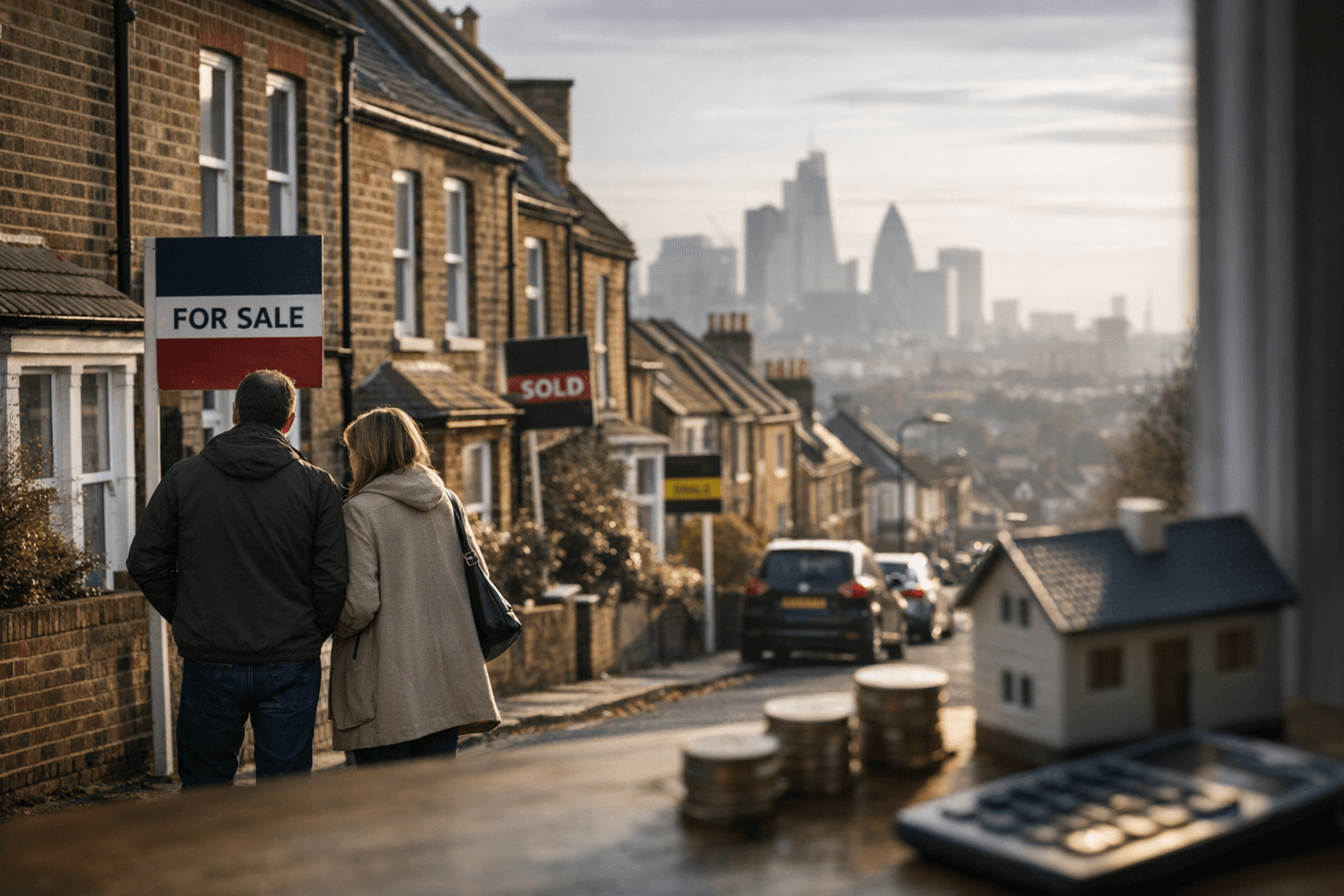
Market participants and analysts framed the pause as a return to fundamentals after an episodic rebound. Rightmove’s December commentary said: "What we are entering instead is a normalised market, where fundamentals matter again." That view was echoed by lenders and consumer groups. Amanda Bryden, head of mortgages at Halifax, told Forbes that "the consistency in average prices reflects what has been one of the most stable years for the housing market over the last decade." She added that "taking into account today’s higher interest rates, mortgage costs as a share of income are at the lowest level in around three years."
Regional performance has varied over the past year. Rightmove’s December post put the national average at approximately £358,138 and noted the North West as the strongest performer with 2.6% annual growth, while London "remained flat." Earlier Rightmove measures in October showed the average price of property coming to market at £371,422, underscoring how reported averages move with different reporting windows.
Looking ahead, the HomeOwners Alliance expects modest gains rather than a sharp rebound. Paula Higgins, the alliance’s chief executive, said: "UK house prices are likely to be around 2% higher in 2026, as easing mortgage rates and steady wage growth slowly improve affordability. That should support modest price growth rather than a sharp rebound."
With listings elevated and demand still recovering from last year’s policy distortions, the market now appears to be balancing improving affordability against plentiful supply. Over the past decade, Rightmove notes, "asking prices have typically risen by 0.8% in February," a seasonal norm that this year has been interrupted by the January surge and the subsequent plateau.
This article was produced by Prism’s automated news system from verified source data, official records, and press releases, then run through automated quality and moderation checks before publishing. The system is built and supervised by the people who set the standards it runs under. Read our full AI policy.
Did this article answer your question?