UK bars Cenk Uygur and Hasan Piker over Israel criticism
Britain cancelled Cenk Uygur and Hasan Piker’s travel authorizations days before their Oxford and London appearances, citing the public good standard.
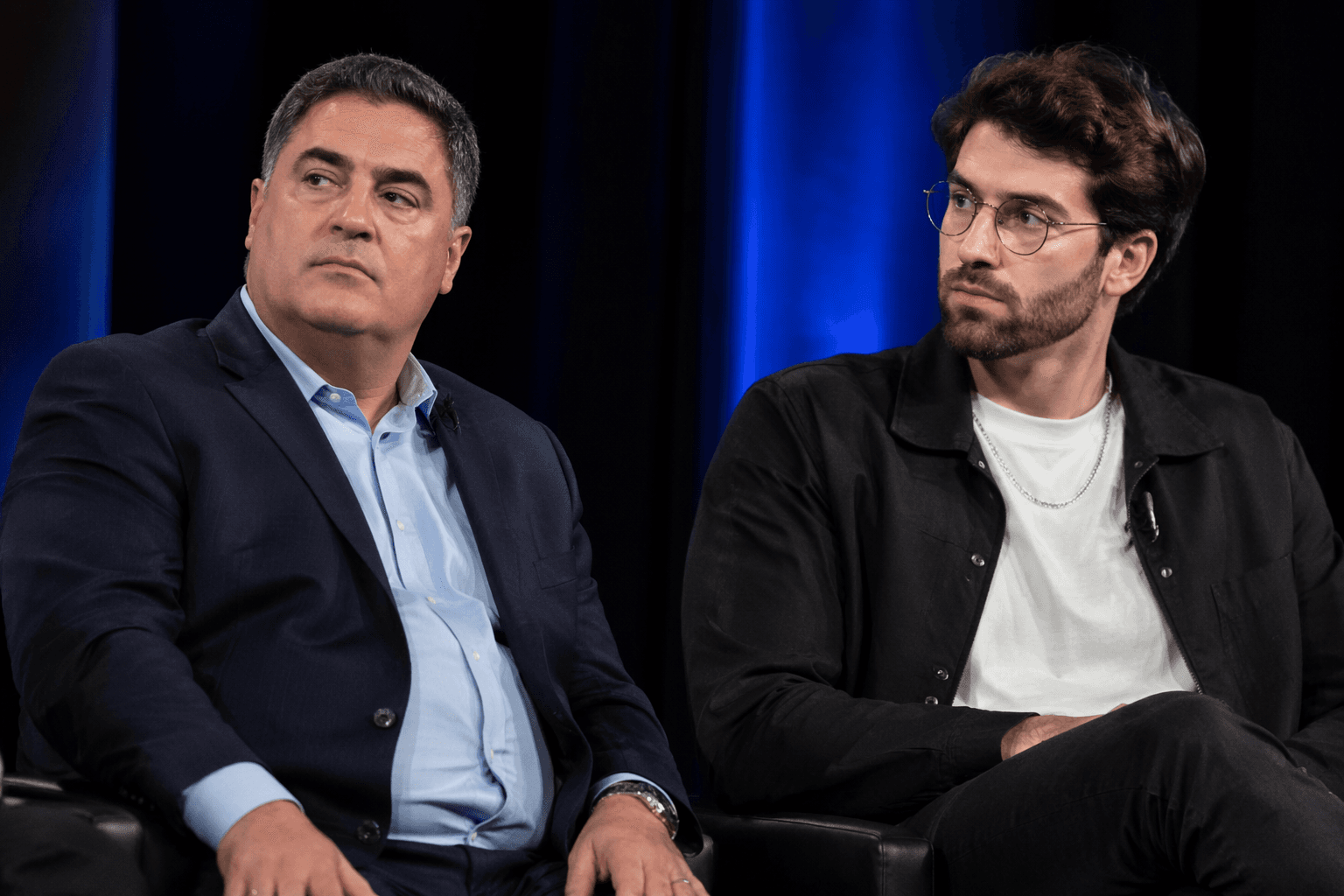
Britain has blocked entry for two prominent U.S. commentators after their criticism of Israel spilled from social media into planned live appearances in London and Oxford. Cenk Uygur and Hasan Piker were due to speak at SXSW London this week and at Oxford University events, including an Oxford Union appearance set for 6 June 2026, before the Home Office cancelled their Electronic Travel Authorisations.
The government said the cancellations were made because their presence "may not be conducive to the public good." That standard is built into UK guidance, which says an ETA can be cancelled when a person’s presence is judged not conducive to the public good because of conduct, character, associations or other reasons. The same guidance says an ETA cancellation is distinct from a visa refusal or a full refusal of entry clearance, and the Home Office said the pair could still apply for visas to travel to Britain.
Uygur said on social media that he had been banned from the UK "for criticizing Israel," tying the decision to his comments that Israel "controls" the U.S. government through donations to 94% of Congress. Piker said his authorization had also been revoked and blamed Israel. A UK official told POLITICO the move was based on comments assessed as antisemitic, while UK press reports said officials believed admitting them could worsen antisemitism.
Piker has previously faced backlash for saying he would "vote for Hamas over Israel every single time" and for a 2019 comment that "America deserved 9/11," which he later said was inappropriate. Uygur has drawn criticism for calling Israel’s actions in Gaza "barbaric." Together, the two have built large audiences by mixing politics, provocation and anti-establishment rhetoric, making the case a test of how far Britain is willing to police speech at the border when the same speech would otherwise remain online.
At Oxford, the reaction turned quickly to process as much as politics. Arwa Elrayess, president of the Oxford Union, said the timing of the decision was troubling because the event had been publicly announced for months. The episode lands in the middle of a broader British fight over antisemitism, protest and the Gaza war, and it shows how the public good standard is now being used not only to judge who may enter Britain, but to decide which political voices can cross into its lecture halls.
This article was produced by Prism’s automated news system from verified source data, official records, and press releases, then run through automated quality and moderation checks before publishing. The system is built and supervised by the people who set the standards it runs under. Read our full AI policy.
Know something we missed? Have a correction or additional information?
Submit a Tip