Trump aid cuts threaten Ukraine effort to document Russian war crimes
Aid cuts are choking Ukraine’s war-crimes pipeline, from evidence collection in Izium to prosecutions in Kyiv, as more than 230,000 cases pile up.

U.S. aid cuts are hitting Ukraine’s war-crimes machinery at its weakest point: the chain that turns battlefield abuse into usable evidence, preserved records and court cases. In a conflict already producing more than 230,000 cases at the Ukrainian Prosecutor General’s Office since Russia’s full-scale invasion in 2022, even modest funding losses can stall the work of lawyers, translators, researchers, field staff and security teams that keep atrocities from disappearing into the fog of war.
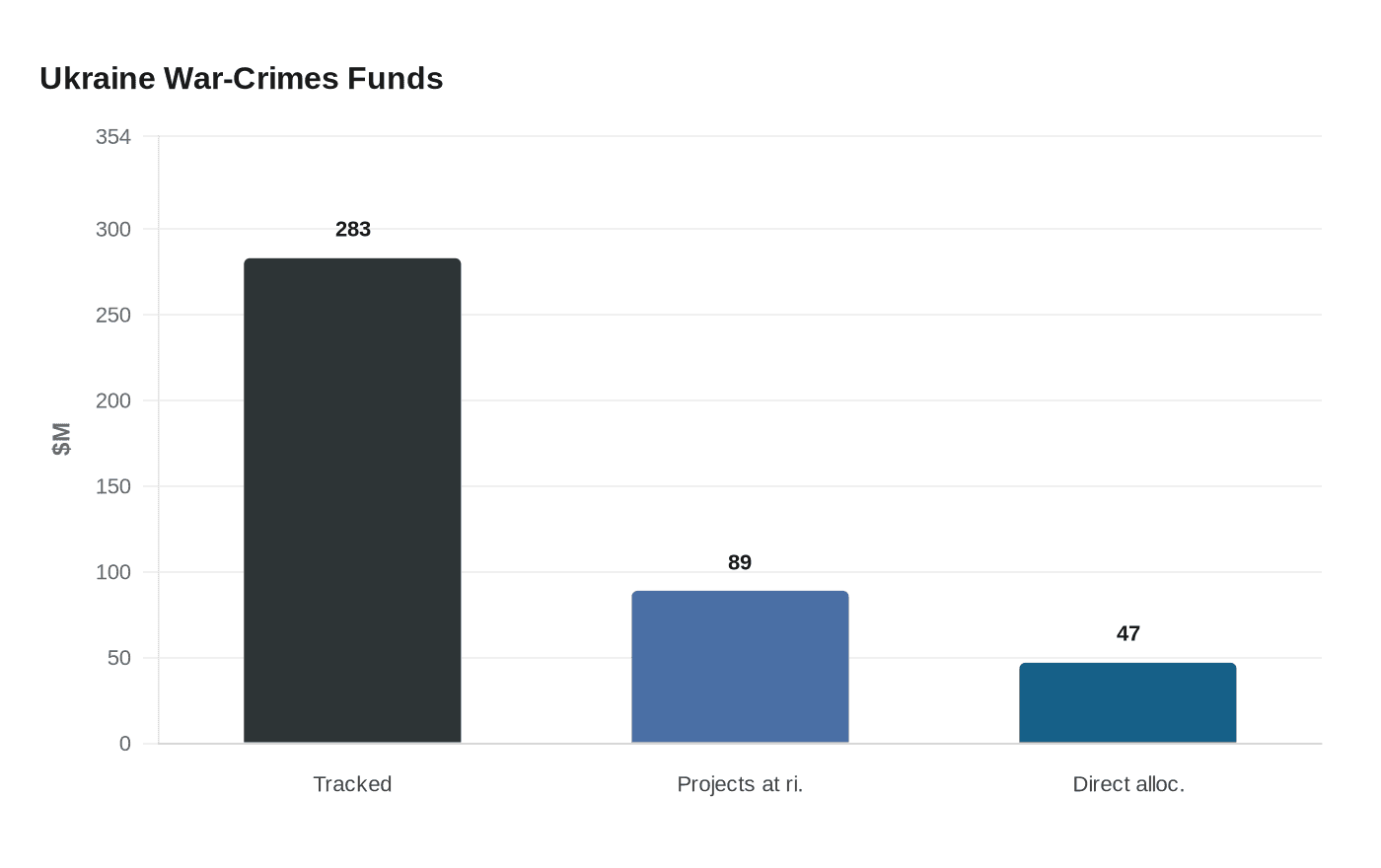
The Trump administration cut tens of millions of dollars from Ukraine accountability work in 2025 after a broader overseas-development aid reduction. Reuters tracked more than $283 million in U.S. funding that had been earmarked at least substantially for Ukraine war-crimes initiatives since 2022, then found that the cuts forced groups to scale back or scramble for replacement money. Ukraine was the largest single recipient of the cut funding, underscoring how deeply Washington had been embedded in the effort to document Russian crimes and prepare cases for prosecutors.
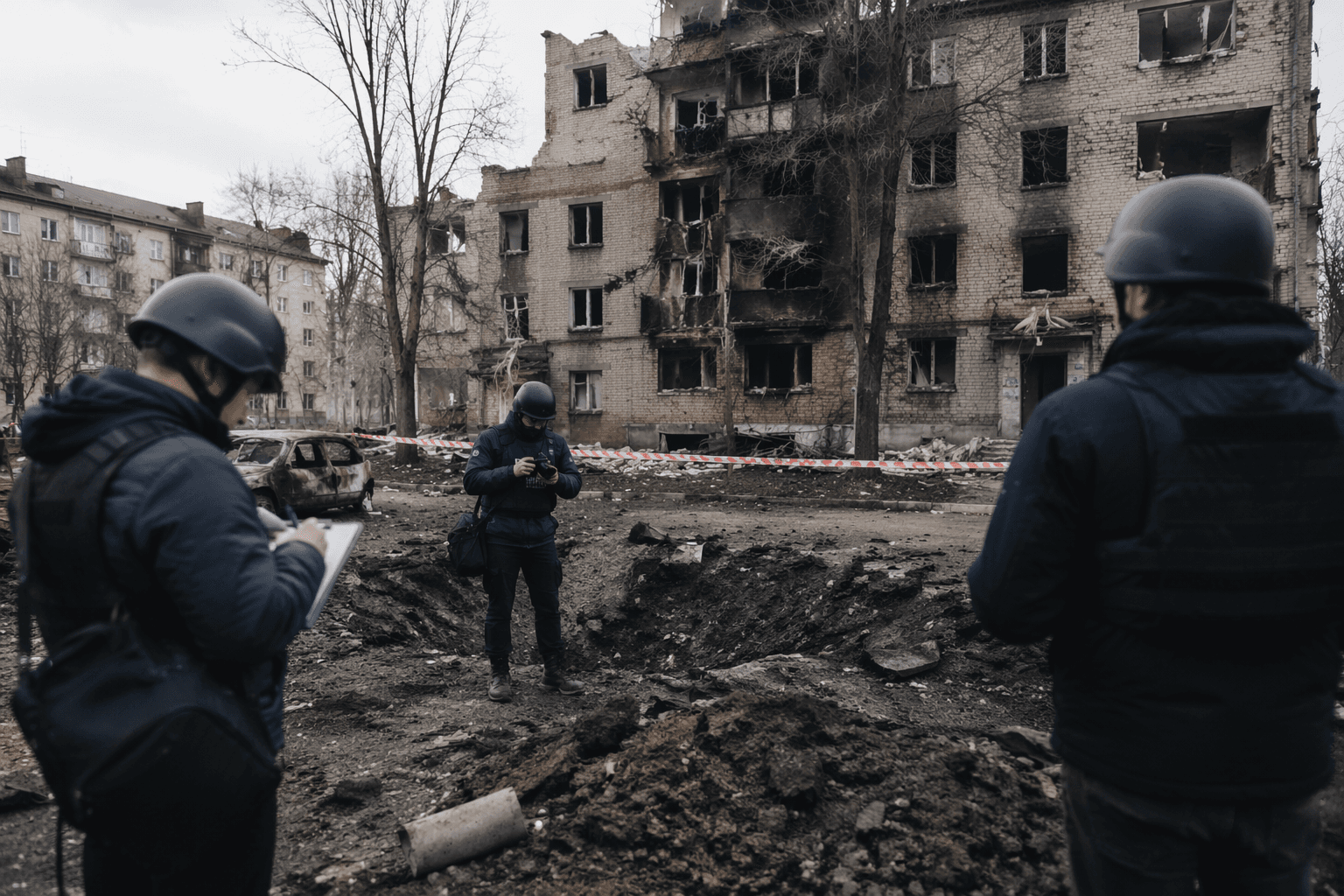
The damage starts at the source. In Izium, investigator Roksolana Makar of Truth Hounds interviewed a woman identified only as Alla, who said she was detained for 10 days in 2022 at a battery plant, beaten, electrically shocked, suffocated with a gas mask and raped by Russian soldiers. Makar said the loss of U.S. support means there is “less hope” that perpetrators will be held to account. That kind of field work is the first link in the accountability chain: without interviews, forensic notes and corroborating statements, later prosecutions have less to build on.
The pressure does not stop there. Global Rights Compliance documents crimes against humanity in Ukraine, including sexual violence and torture, while Legal Action Worldwide provides legal support to Ukrainian authorities investigating Russian troops suspected of war crimes. Reuters reported that the White House budget office recommended ending funding for nearly two dozen war-crimes programs worldwide in June 2025, including those groups. State Department officials said Marco Rubio was unlikely to push back on most of the cuts, though he might try to preserve the most critical Ukraine-related programs.
Earlier in 2025, the strain was already visible inside Kyiv. Six U.S.-funded projects at the Prosecutor General’s Office, worth $89 million, were at risk after a foreign-aid freeze, with $47 million directly allocated to prosecute Russian war crimes. Nearly 40 experts at Georgetown University’s International Criminal Justice Initiative stopped working, disrupting the Atrocity Crimes Advisory Group for Ukraine. Beth Van Schaack, the former U.S. ambassador-at-large for global criminal justice, warned the cuts could leave “a lot of victims being denied justice.” Years from now, if witnesses fade and records are lost, the cost will not be diplomatic theory but evidence too damaged to convict.
This article was produced by Prism’s automated news system from verified source data, official records, and press releases, then run through automated quality and moderation checks before publishing. The system is built and supervised by the people who set the standards it runs under. Read our full AI policy.
Know something we missed? Have a correction or additional information?
Submit a Tip