UK braces for supermarket shortages as Iran war threatens CO2 supplies
Ministers are gaming out a June 2026 Strait of Hormuz shock, but the supermarket risk is thinner shelves, not empty ones. Oil firms may gain as the tax fight deepens.
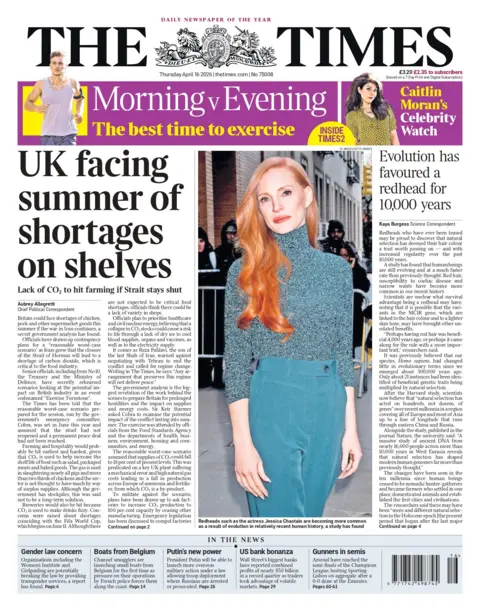
UK ministers are treating the Iran conflict as a supply-chain stress test, but the clearest warning is narrower than the front pages suggest: officials have discussed a reasonable worst-case scenario for June 2026 in which the Strait of Hormuz is still closed and no permanent peace deal has been reached, yet the main supermarket risk is reduced product variety rather than a nationwide food shortage. The distinction matters because the latest panic is being driven less by empty shelves than by the fragility of a few critical inputs.
One of those inputs is carbon dioxide. CO2 is used to extend food shelf life, in slaughterhouses for nearly all pigs and more than two-thirds of chickens, and in brewing and hospitality. It also has healthcare uses, including storing blood, organs and vaccines. To shore up supply, the government temporarily restarted the Ensus bioethanol plant in Wilton, Teesside, for three months to boost domestic CO2 production. Ministers have already been gaming out the domestic economic consequences of the Middle East conflict, and on 23 March 2026 the Prime Minister chaired a COBR(M) meeting focused on those impacts. A March 2026 factsheet from the government said the UK’s gas supply would not be disrupted.
The broader energy shock is creating a second, very different story: the potential for windfalls. Higher oil prices have pushed Rachel Reeves to delay plans to end the North Sea windfall tax early, leaving the Energy Profits Levy at 78% until at least 2030. That means the same conflict raising supermarket fears is also prolonging a tax regime designed to capture extraordinary profits from producers. Ministers have said they are prioritising energy security and working with international partners over the Strait of Hormuz, but the politics of who pays, and who benefits, are sharpening as oil prices move higher.
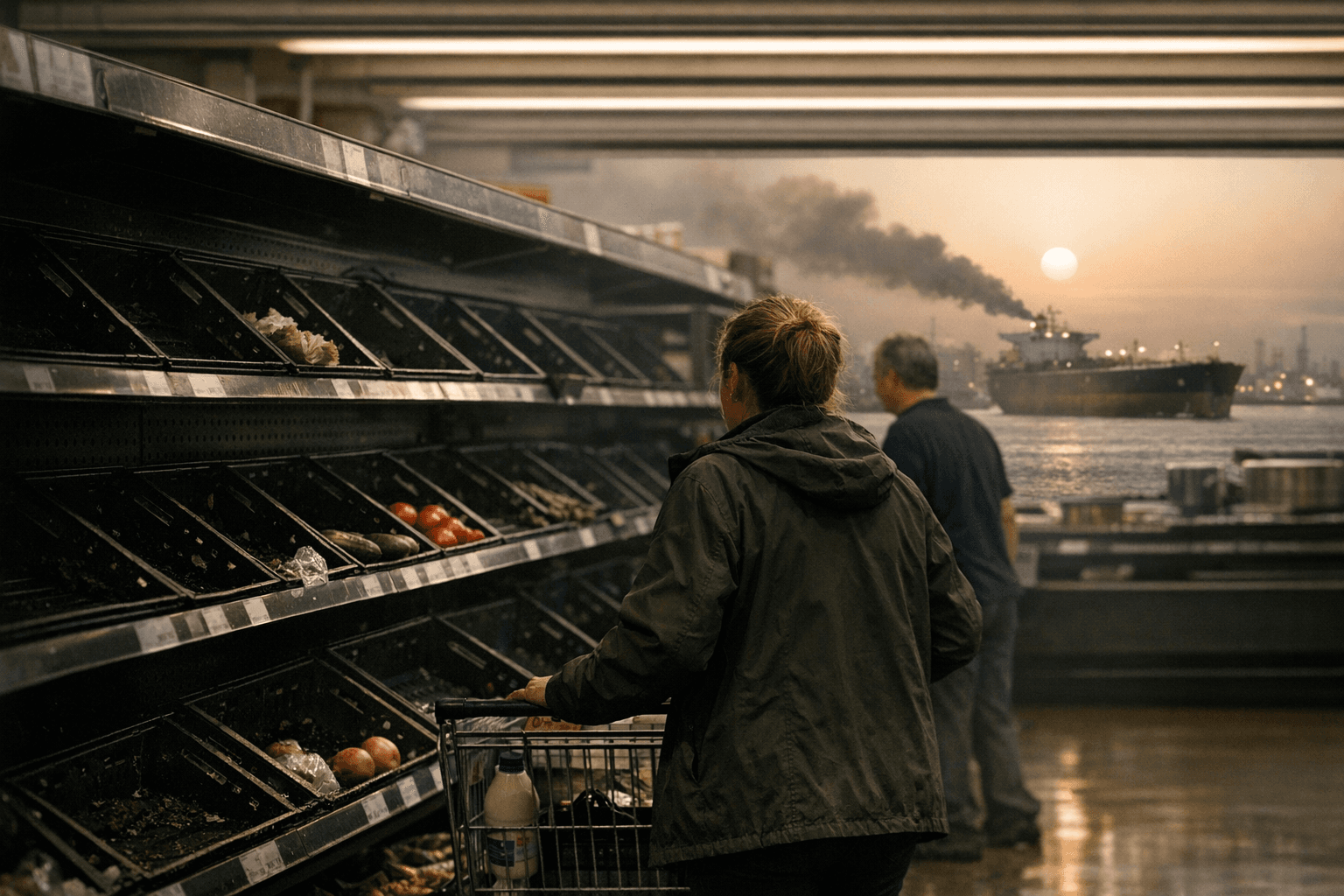
Industry is already pressing its case. Offshore Energies UK says reforming the levy in 2026 could raise an extra £15.7 billion in UK government tax receipts over 10 years, a figure that underscores the stakes of the tax debate as much as the scale of the industry’s lobbying. For now, the government is trying to separate genuine risk from speculation: keep CO2 moving, keep gas flowing, and avoid turning a shipping crisis into a consumer panic.
This article was produced by Prism’s automated news system from verified source data, official records, and press releases, then run through automated quality and moderation checks before publishing. The system is built and supervised by the people who set the standards it runs under. Read our full AI policy.
Did this article answer your question?

