UK consults on plain packaging and flavour limits for vapes
Plain white vape packs, simpler flavour names and hidden displays are meant to curb youth uptake, but the real test is whether branding rules can change why children start vaping.
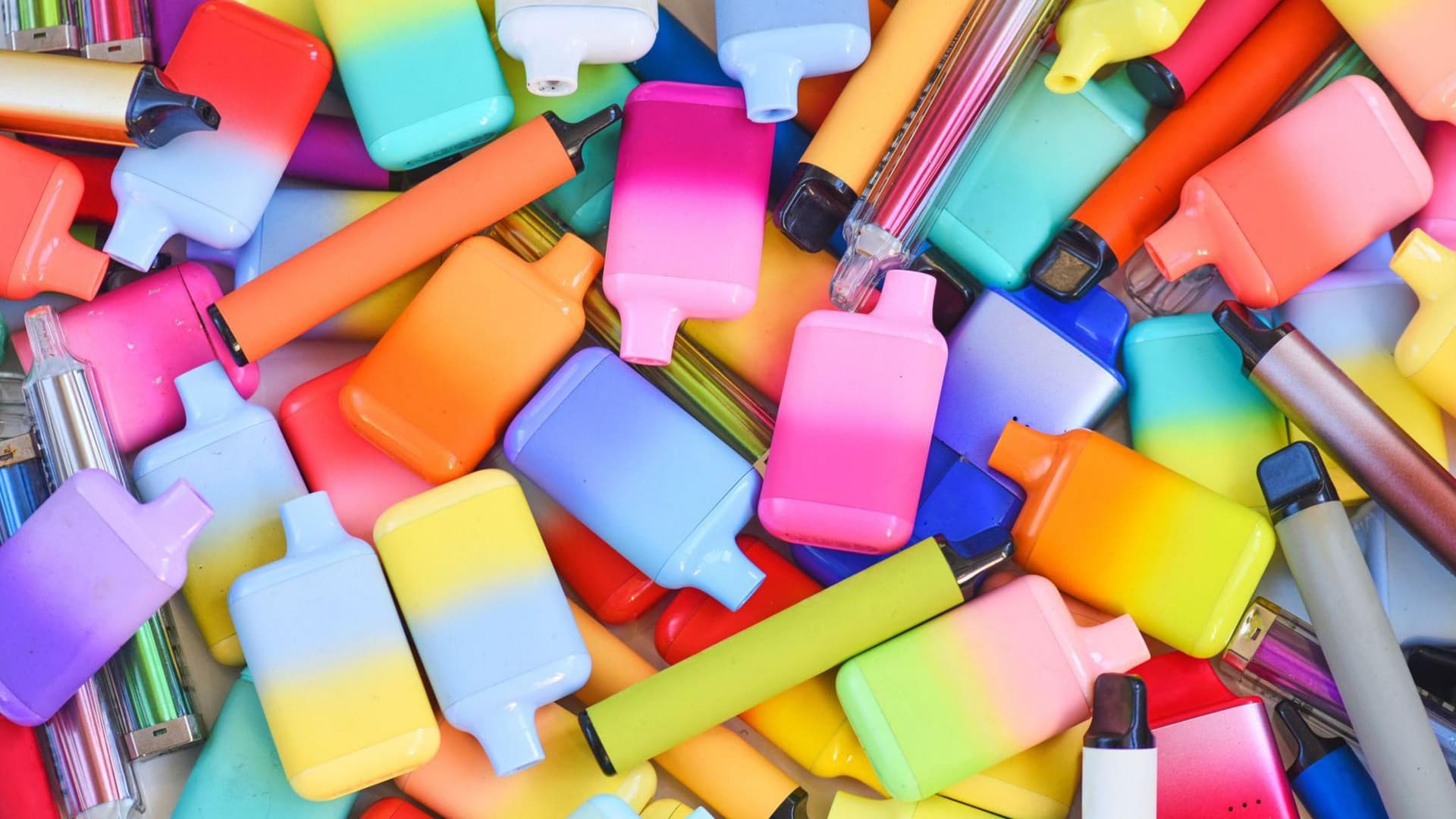
The UK government and devolved administrations launched a consultation on 10 July 2026 that would force plain white vape packaging, simpler flavour descriptions and stricter limits on where products can be displayed. The plan is aimed at stopping manufacturers from using colours, branding and marketing that pull children into trying nicotine products.
James Murray, the health secretary, said too many young people were experimenting with vapes because of flavours, bright colours and retail displays, while also arguing that vapes remain less harmful than cigarettes and can help adult smokers quit. Colourful packaging, prominent displays and child-appealing flavours are among the factors driving youth uptake.
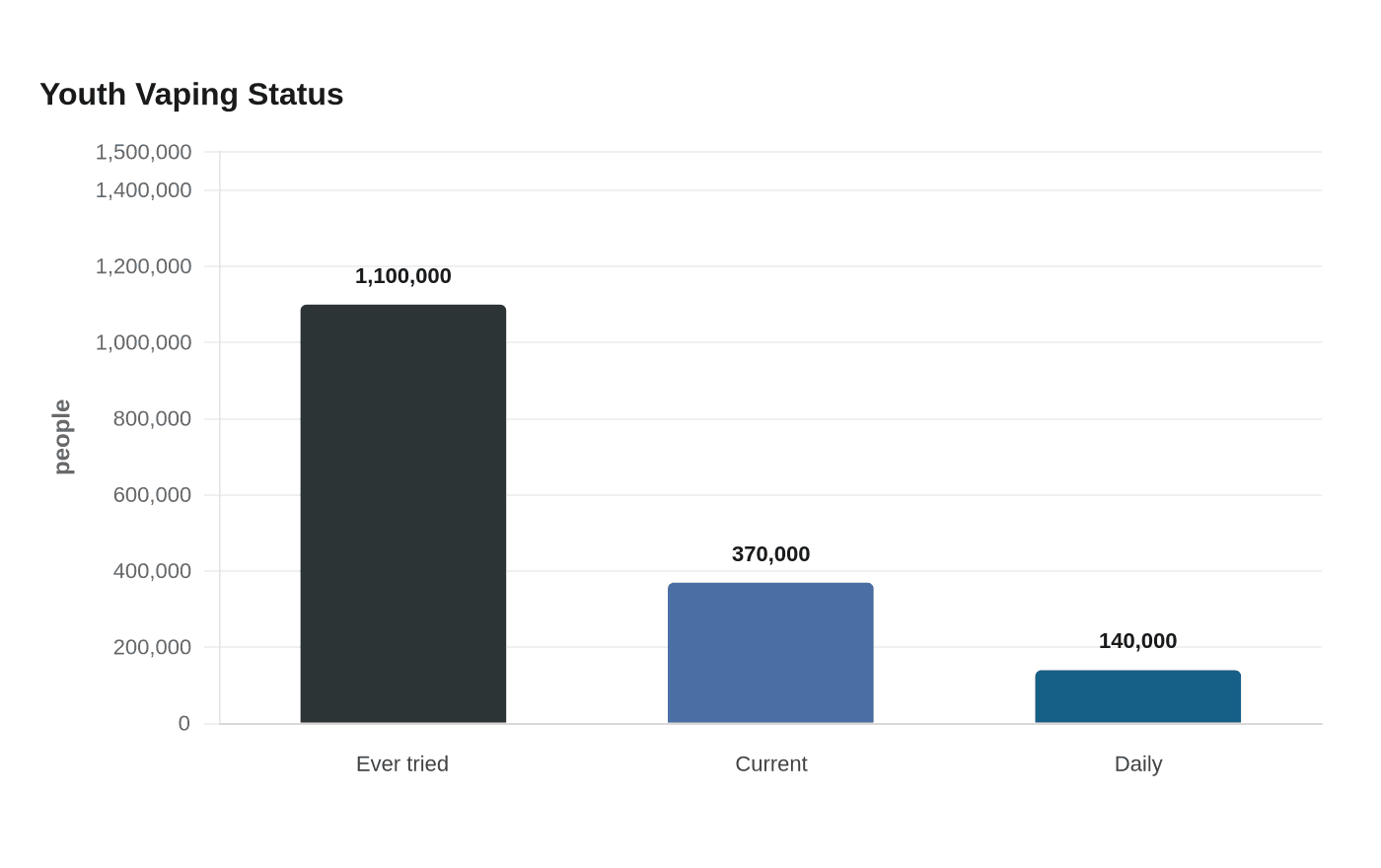
Government data show around one million 11 to 17 year olds in Great Britain reported trying vaping in 2025. Action on Smoking and Health’s 2026 youth survey estimates that 1.1 million young people aged 11 to 17 have ever tried vapes, 370,000 currently vape and 140,000 vape daily.

The consultation goes beyond packaging. It would limit vape device colours to white, black or grey, restrict flavour names to simple, recognisable descriptions, and ban child-appealing imagery and other branding elements. It also proposes keeping vapes out of sight in shops, airports and wholesalers.
The Tobacco and Vapes Act received Royal Assent on 29 April 2026. Standardised packaging for cigarettes and hand-rolling tobacco was introduced in 2017, and the government says it helped reduce smoking’s appeal.
Labour had already committed to banning vapes from being branded and advertised to appeal to children. House of Commons Library data put disposable nicotine vapes at 15.2% of adult vapers in 2022, up from 2.2% in 2021.
This article was produced by Prism’s automated news system from verified source data, official records, and press releases, then run through automated quality and moderation checks before publishing. The system is built and supervised by the people who set the standards it runs under. Read our full AI policy.
Did this article answer your question?