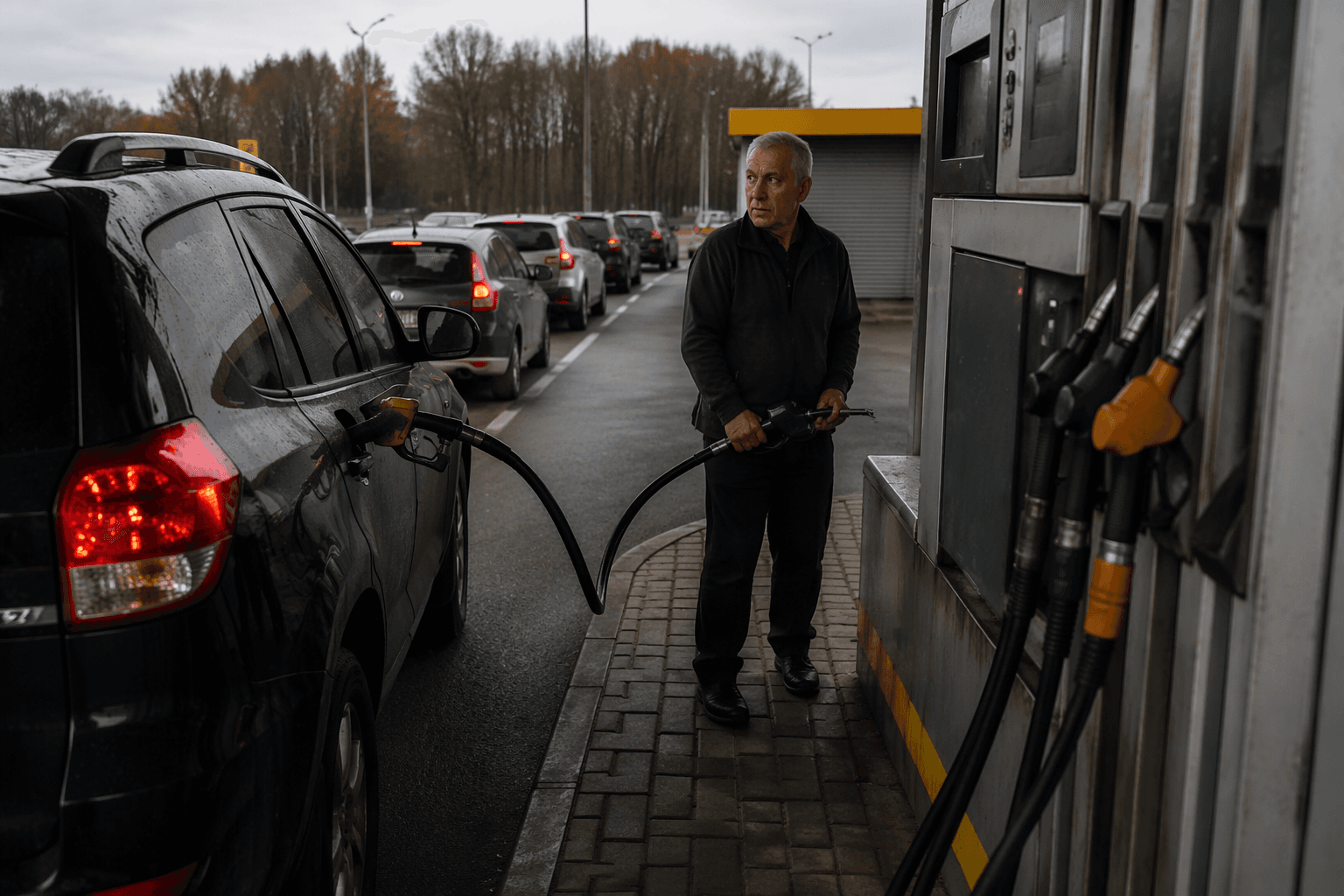
UK discusses joining €90bn EU loan to fund Ukraine support
Britain is weighing entry into a €90bn EU Ukraine loan, a move that could turn wartime aid into a post-Brexit security reset.
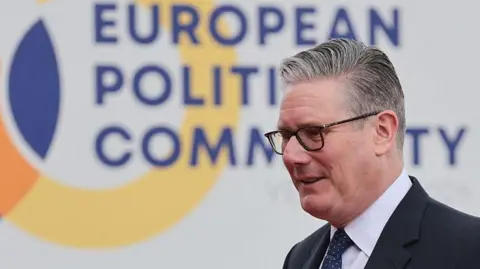
Keir Starmer is set to open talks on joining a €90 billion European Union loan for Ukraine, a step that would do more than add another wartime cheque. It would pull the United Kingdom into an EU-backed financing structure built around shared borrowing, budget support and defence-industrial co-ordination, a sign that London is testing whether practical security co-operation can outlast Brexit politics.
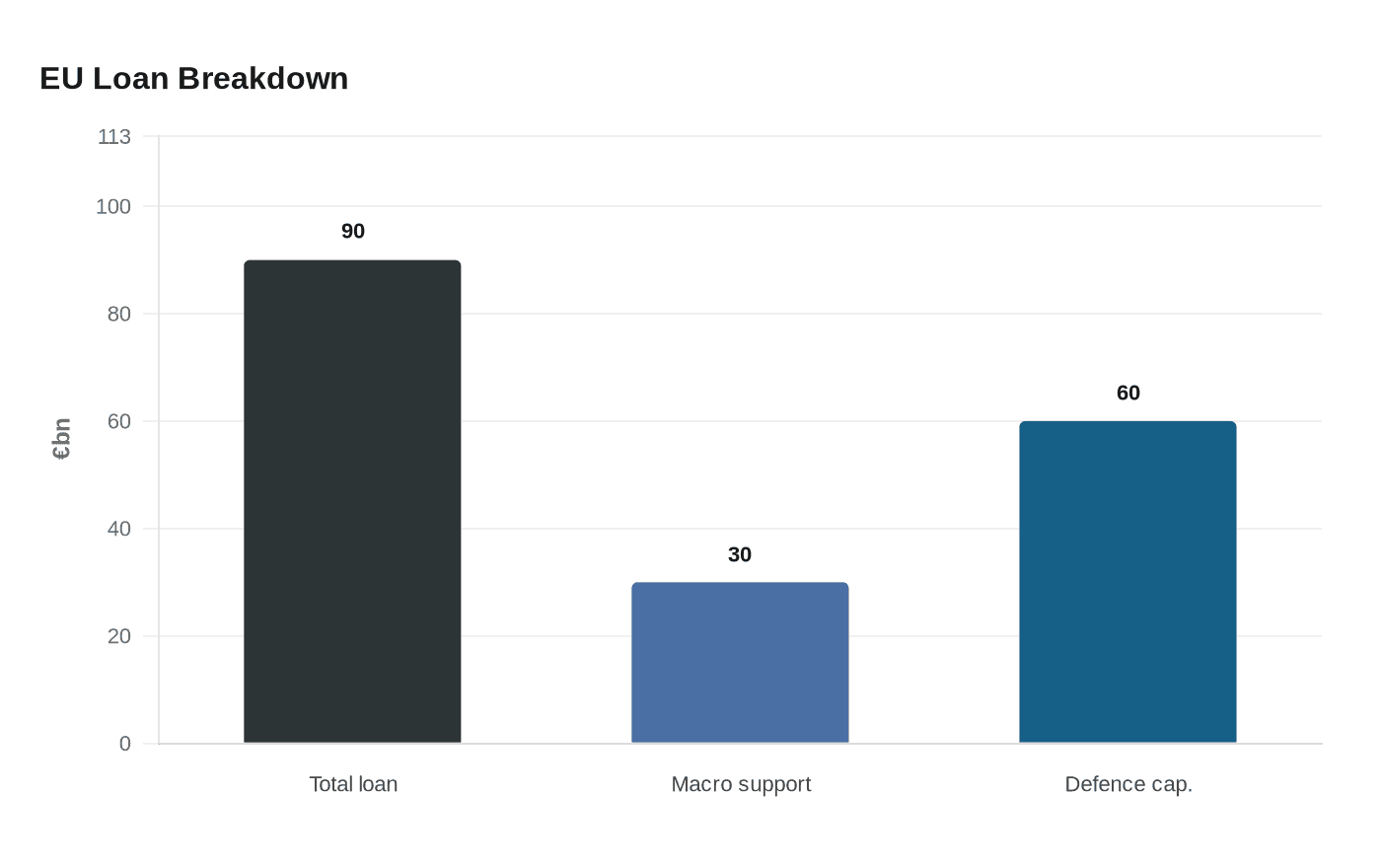
The EU finalised the loan on 23 April 2026, saying it was designed to cover Ukraine’s most urgent budgetary and defence-industrial needs in 2026 and 2027. The package is split indicatively into €30 billion for macroeconomic support and €60 billion for defence-industrial capacity, including procurement of defence products. Disbursements are supposed to begin in the second quarter of 2026, and repayments are intended to come from Russian reparations. The scheme was agreed under enhanced cooperation with 24 member states participating.
Starmer is due to raise the issue at the eighth European Political Community summit in Yerevan, Armenia, where leaders from across the continent have gathered. Downing Street says the UK will open negotiations to join the scheme, and Starmer has already argued that participation would be “very good” for UK-EU relations and would create jobs in Britain. That matters politically as well as economically: joining an EU loan of this size would signal a more durable reset in relations with Brussels, not just another emergency response to Russia’s war.
The government is also trying to frame the move in industrial terms. Downing Street says British firms could win contracts linked to Ukraine’s needs, especially in defence, giving UK manufacturers access to work tied to the €60 billion military and industrial envelope. Sky News has said the loan is expected to cover about two-thirds of Ukraine’s needs over the next two years, underlining how central the package is to Kyiv’s near-term finances and battlefield supply lines.
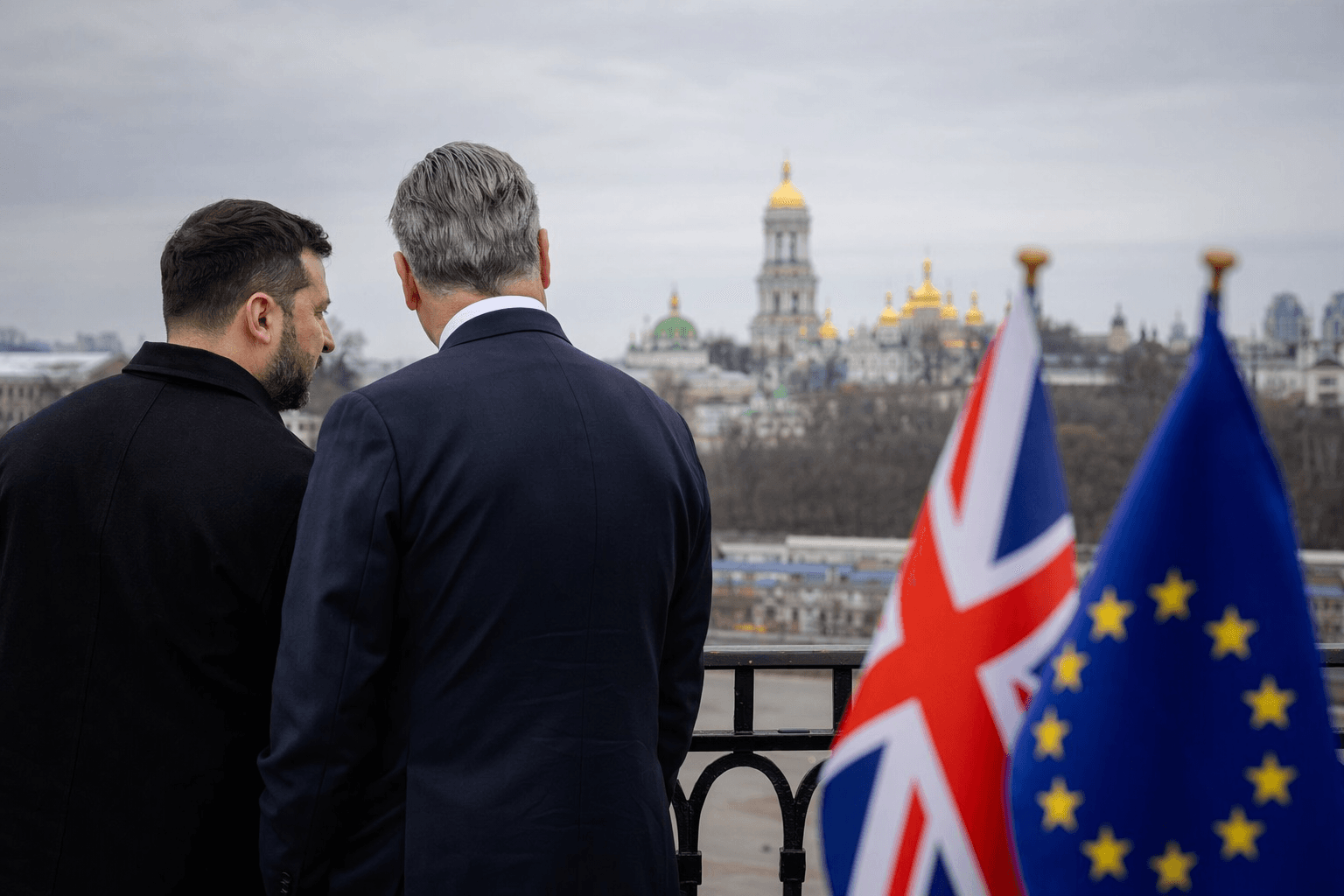
The diplomatic timing is notable. Volodymyr Zelenskyy met Starmer in Yerevan on Sunday, with more bilateral meetings expected during the summit. The European Political Community, created in 2022 as a forum for leaders outside the EU structure, has become a venue for exactly this kind of cross-border security coordination. London is also due to announce further sanctions on Russian firms later this week, a reminder that the Ukraine file is now linking financial aid, industrial policy and pressure on Moscow. If the talks move forward, they would mark one of the clearest post-Brexit signs yet that Britain wants a role inside Europe’s security architecture, even without rejoining its institutions.
This article was produced by Prism’s automated news system from verified source data, official records, and press releases, then run through automated quality and moderation checks before publishing. The system is built and supervised by the people who set the standards it runs under. Read our full AI policy.
Did this article answer your question?