Kenya floods and landslides kill 18, displace families, deepen crisis
Heavy rains turned Kenya’s main rainy season into a fresh disaster, killing 18 and again flooding vulnerable counties, roads and neighborhoods already hit hard in March.
Intense rain and landslides killed at least 18 people in Kenya, exposing how quickly the country’s seasonal storms can turn into repeated mass-casualty events when they hit fragile roads, crowded settlements and steep terrain. Police said the worst-hit areas included Tharaka Nithi County, Elgeyo-Marakwet County and Kiambu County, where mudslides damaged homes and infrastructure and forced families to move as the rains gathered strength.
In Nairobi, streets were under water as cars and pedestrians waded through deluged neighborhoods. Traders in Makongeni and Ruai protested over broken roads and the way repeated downpours were disrupting commerce, a reminder that the damage is not limited to emergency response. It reaches transport, retail sales and the daily movement of workers and goods across the capital.
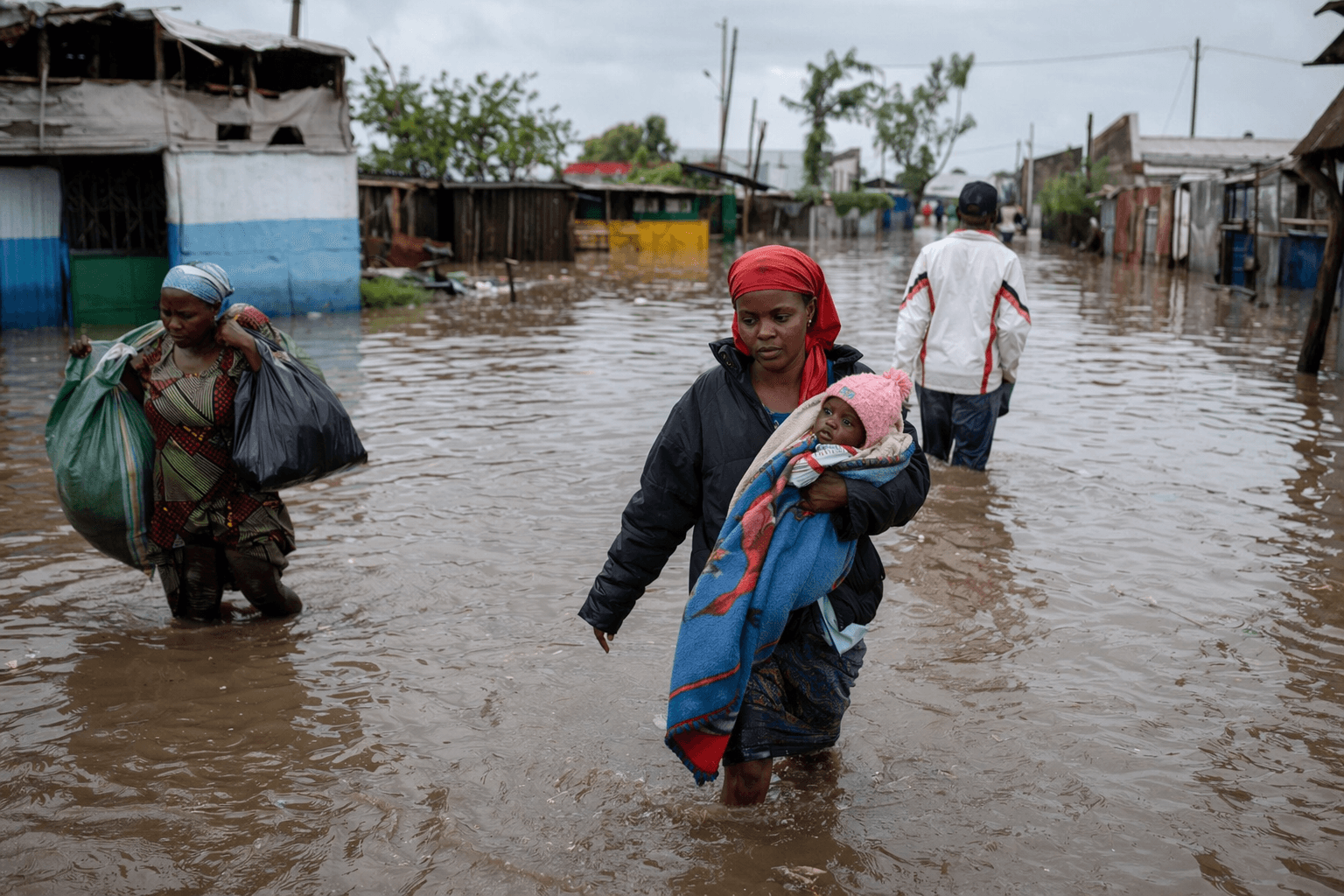
The Kenya National Police Service said losses were still being counted and that it was not yet clear how many people had been displaced. Authorities warned residents in flood-prone areas to move with caution as the season intensified, and said the weather could trigger waterborne disease outbreaks and damage crops and farmland, widening the crisis beyond the immediate death toll.
The Kenya Meteorological Department had already warned in its March-April-May 2026 long-rains outlook that near- to above-average rainfall was expected in several parts of the country, including the Highlands East and West of the Rift Valley, the Lake Victoria Basin, the Rift Valley and parts of northwestern Kenya. It also warned of isolated heavy rainfall events, and said heavy rain in the first week of May would sustain the risk of flash floods, landslides and displacement in vulnerable areas.

The latest fatalities came less than two months after March flooding killed at least 37 people, including 27 in Nairobi. Relief agencies later said the March disaster left 81 dead, nearly 70,000 displaced and more than 66,000 affected overall, underscoring how the same seasonal pattern keeps producing escalating losses.
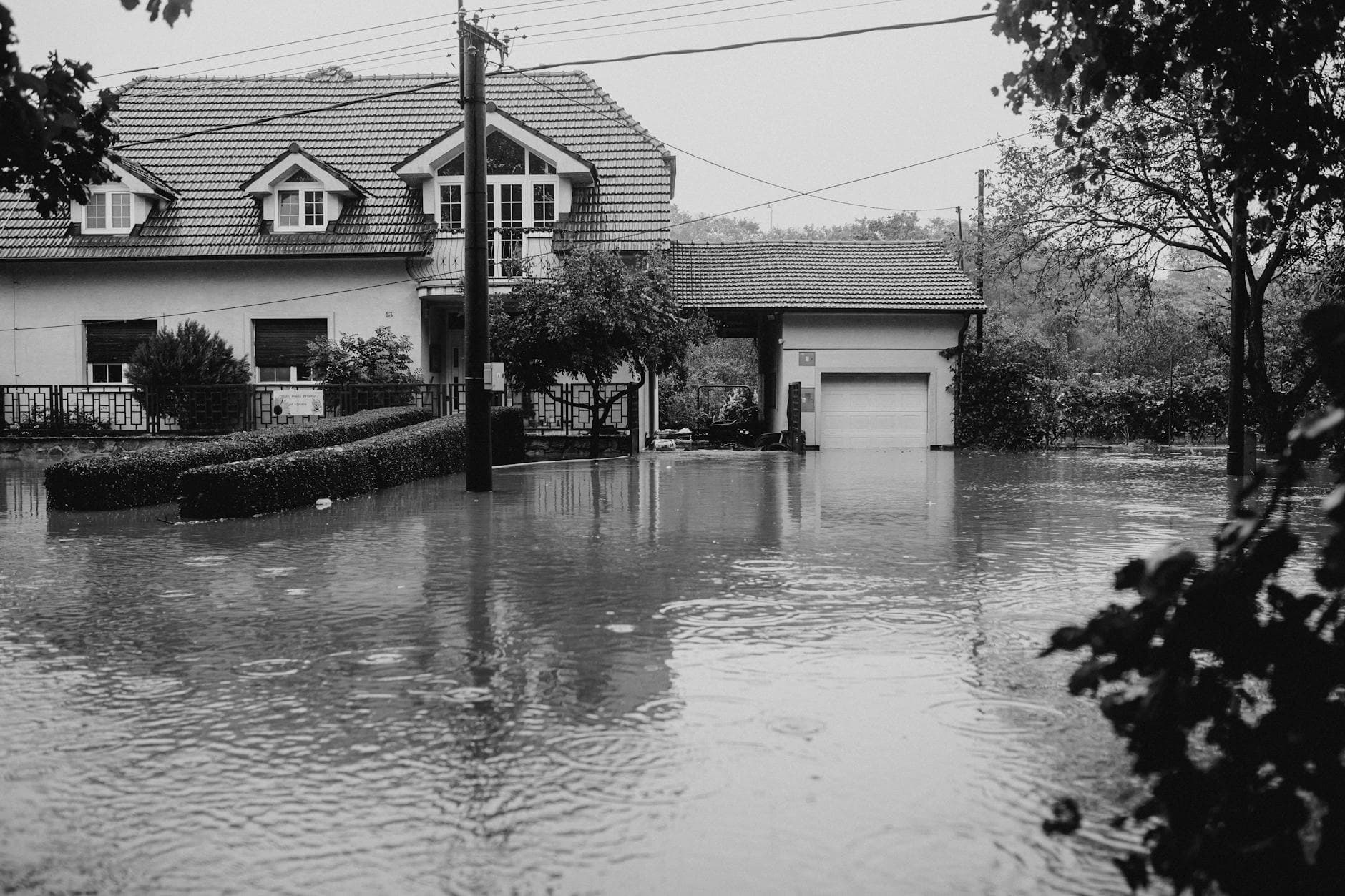
The pressure on Kenya is now as much structural as it is meteorological. The United Nations Environment Programme has said climate change and rapid urbanization are increasing flood risk in East African cities, and in April it announced a $5.2 million urban sustainability initiative for Kamukunji aimed at improving conditions for more than 85,000 residents. UNEP also says early-warning systems are a cost-effective way to reduce disaster risk. Kenya’s National Climate Change Action Plan 2023-2027 says the country is highly dependent on climate-sensitive sectors such as agriculture, water, energy, tourism, wildlife and health, meaning each flood wave can ripple through food supplies, livelihoods and public health long after the water recedes.
This article was produced by Prism’s automated news system from verified source data, official records, and press releases, then run through automated quality and moderation checks before publishing. The system is built and supervised by the people who set the standards it runs under. Read our full AI policy.
Did this article answer your question?