UK eases Russia fuel sanctions amid Strait of Hormuz shortages
Britain loosened Russia fuel sanctions as Hormuz disruptions tightened supply, a shift that may ease pressure on airlines and fuel buyers but weakens a hard line on Moscow.
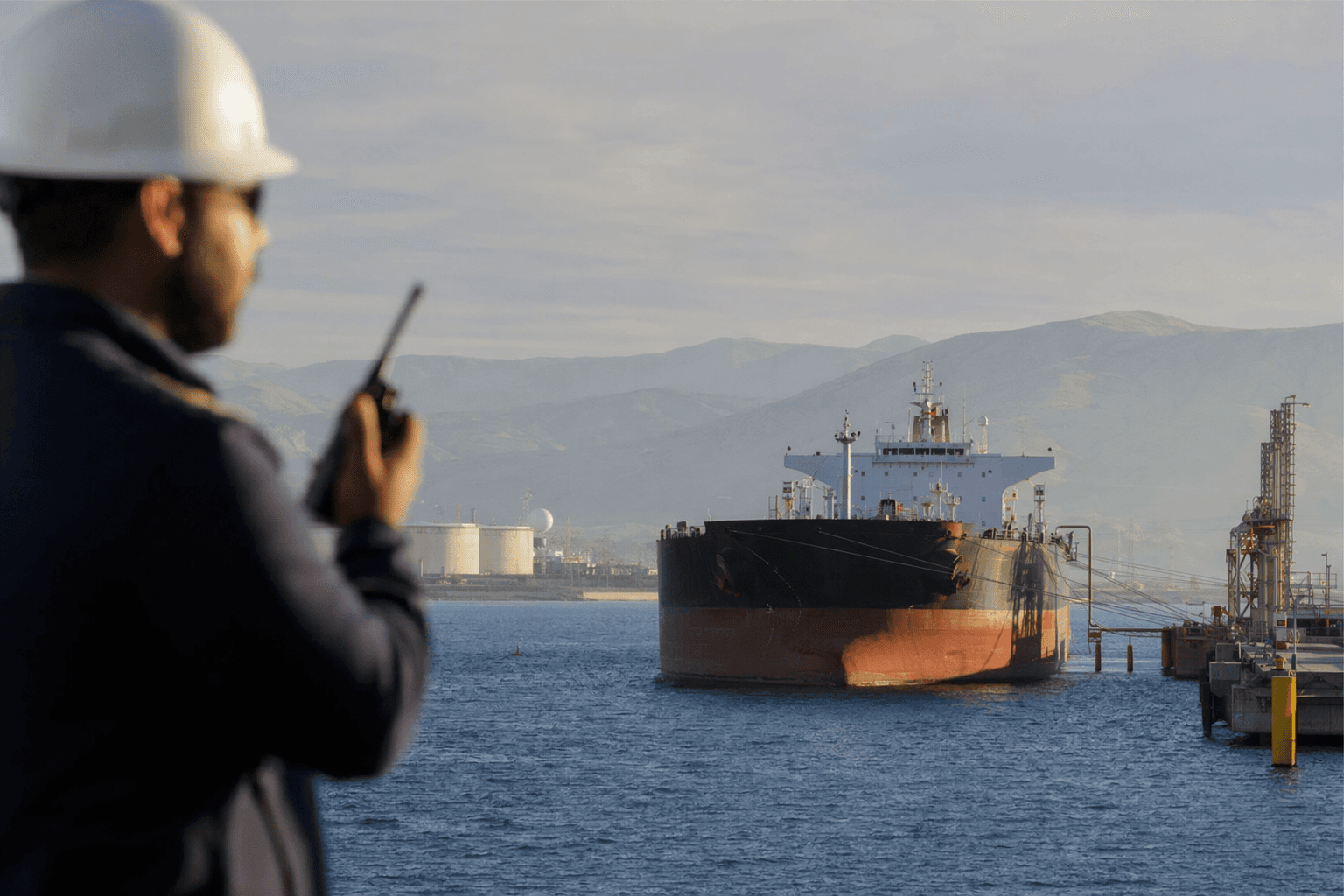
Britain has carved out a new opening for diesel and jet fuel refined abroad from Russian-origin crude, a shift that takes effect on Wednesday and can run indefinitely. The move is designed to cushion the UK from tighter fuel supply and price spikes tied to the Middle East crisis, especially fears of jet fuel shortages this summer.
The licence marks a clear rollback from the ban imposed in October 2025 on oil products refined in third countries from Russian-origin crude. Under the new rules, that prohibition still stands for other Russian-origin refined products, including petrochemicals and heating oil, but diesel and jet fuel can now enter the UK if they were processed outside Russia. UK officials say sanctions on Moscow have become tougher overall, yet they argue extra flexibilities are now needed to keep fuel moving.
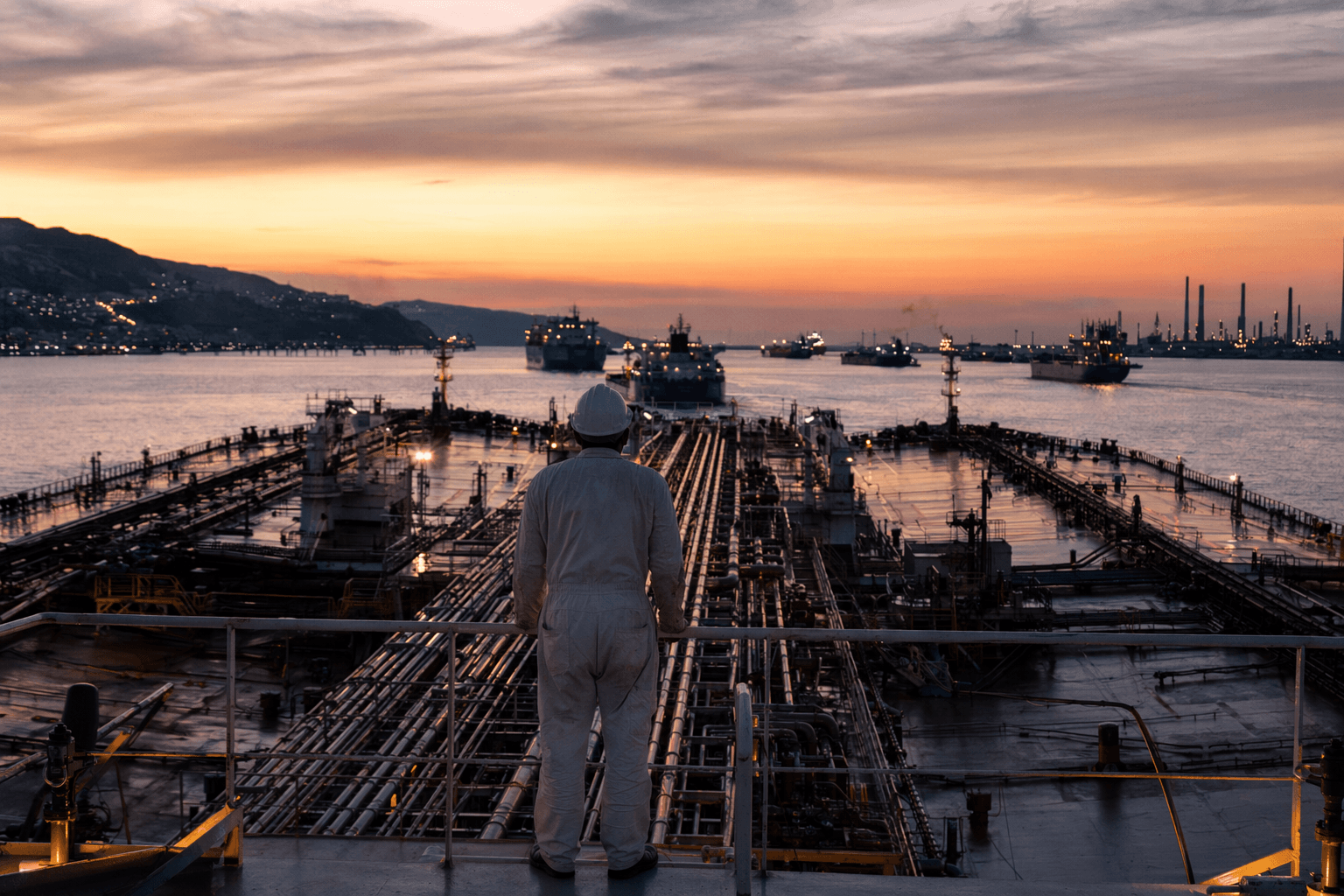
The pressure point is the Strait of Hormuz. UN Trade and Development says the waterway is now “practically closed,” with ship transits collapsing from about 130 a day in February to just 6 in March, a drop of roughly 95%. UNCTAD also warns that global merchandise trade growth could slow from about 4.7% in 2025 to between 1.5% and 2.5% in 2026 because of the disruption. For Britain, that means the cost of keeping aircraft fueled and diesel supplies stable is rising just as sanctions policy is being tested by market stress.
The beneficiaries of the waiver are immediate and concrete: UK fuel suppliers, airlines and ultimately consumers who would otherwise face sharper price pressure if jet fuel tightens further. The policy gives the government room to keep imports flowing without formally reopening the wider Russian oil market it tried to shut last year. It also preserves the line on Moscow in the most politically sensitive areas, even as it relaxes it where shortages are becoming more visible at home.
The timing mirrors a reversal in Washington. On May 16, the Trump administration let a sanctions waiver on Russian seaborne oil expire, restoring restrictions after the policy had been introduced in March and extended in April. Critics in the US said the waiver had failed to reduce fuel costs for consumers while still allowing Russia to earn oil revenue.
In October 2025, Rachel Reeves argued that barring Russian-refined products was the right way to stop Russian oil reaching UK markets and to weaken the Kremlin’s war machine in Ukraine. Six months later, the government is still saying the right words about pressure on Moscow, but the Strait of Hormuz has exposed how quickly principle bends when energy insecurity starts to shape the cost of living at home.
Know something we missed? Have a correction or additional information?
Submit a Tip