UK police face pressure to investigate Epstein trafficking claims anew
British police are under fresh pressure over Epstein trafficking claims that went unpursued for years, as victims, airports and multiple forces come back under scrutiny.
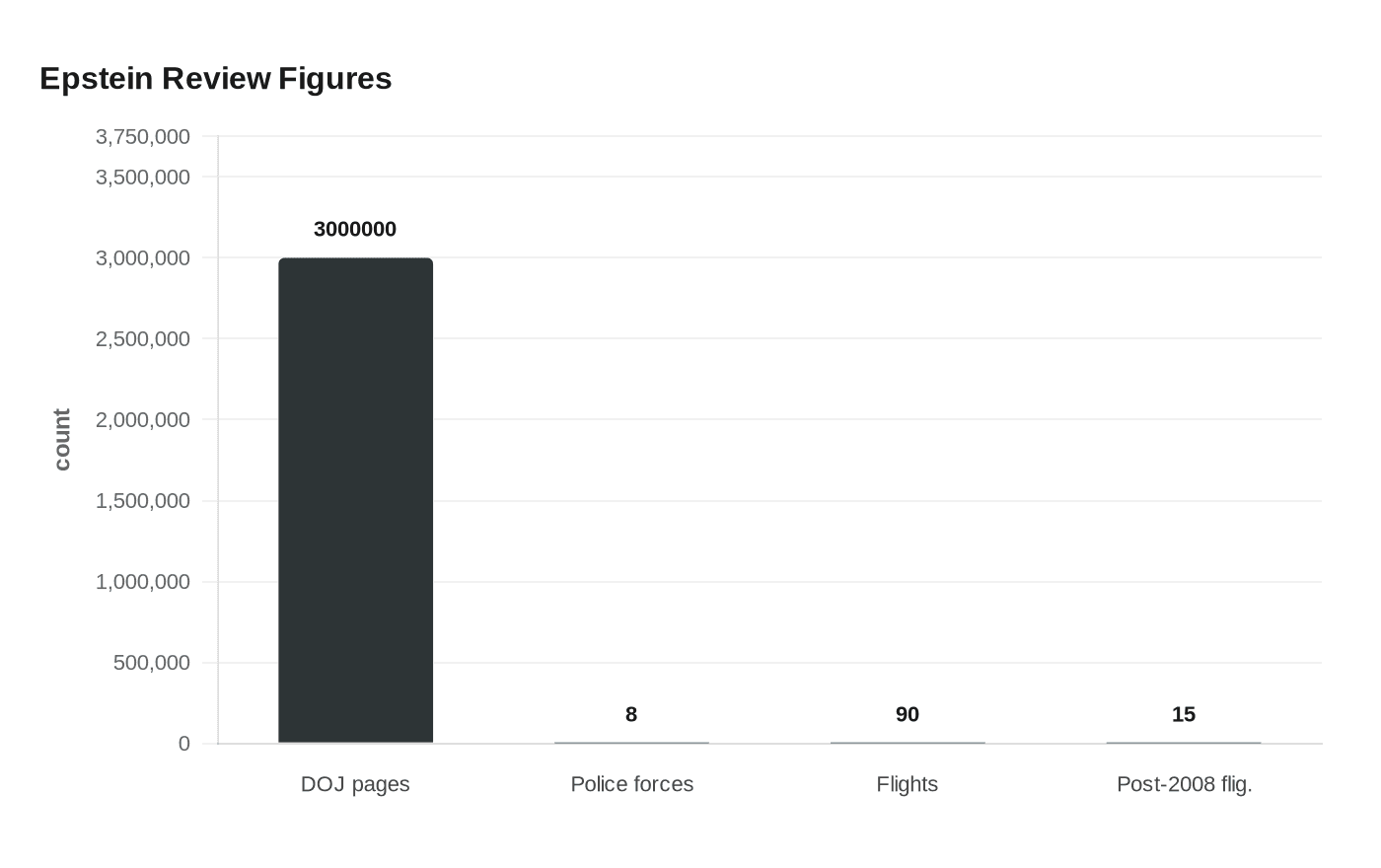
British police are facing renewed scrutiny over why trafficking claims linked to Jeffrey Epstein were not pursued more aggressively years ago, even as forces now sift through more than 3 million pages of material released by the United States Department of Justice.
The National Police Chiefs’ Council set up a national coordination group in February 2026 to assess the documents, and at least eight police forces have said they are examining Epstein-related information. Surrey Police said it was looking at allegations of sex trafficking in Virginia Water, Surrey, between 1994 and 1996, while Essex Police said it was assessing information about private flights to and from Stansted Airport.
The scale of the current review has intensified pressure on police to explain what was known, when it was known and why earlier decisions did not lead to wider inquiries. By late February, victims were calling on British police to fully investigate alleged trafficking links to UK airports, after reporting indicated that around 90 flights linked to Epstein arrived and departed from British airports, including 15 after his 2008 child sex offences conviction.
Police then moved to widen their contact with potential complainants. In March 2026, forces said they had reached out to alleged Epstein victims who had spoken to British media, including contributors to BBC Newsnight and Good Morning Britain, inviting them to speak to UK law enforcement if they felt comfortable doing so. The NPCC also said it had formed a dedicated national group to assess the scale, scope and nature of any UK-based violence against women and girls offending in the Epstein files, backed by additional intelligence resources.
The latest scrutiny lands against a broader backdrop of concern about the handling of allegations involving Epstein, Ghislaine Maxwell and others connected to his network. Claims touching Britain have already drawn in the Metropolitan Police, Thames Valley Police, Norfolk Police and Bedfordshire Police, alongside inquiries in Surrey and Essex, underscoring how widely the files cut across UK policing.
On 16 April 2026, UN experts said the allegations revealed systemic trafficking of young women and girls across multiple international borders over decades and called for a full and transparent investigation. The experts said the material implicated senior politicians, public figures, diplomats, global business leaders and leading academics, a description that adds to the pressure on British authorities to show that this review is more than reputational damage control.
For police leaders, the central test is now institutional as much as evidential: whether repeated warnings were missed, whether victims were left without justice, and whether the new national coordination effort can finally match the scale of the allegations.
This article was produced by Prism’s automated news system from verified source data, official records, and press releases, then run through automated quality and moderation checks before publishing. The system is built and supervised by the people who set the standards it runs under. Read our full AI policy.
Did this article answer your question?