UK Shadow Fleet Ships Keep Sailing Through Waters Despite Boarding Threats
Shadow fleet tankers kept crossing UK waters after Starmer’s boarding threat, with 184 sanctioned ships making 238 transits and no public boarding evidence.
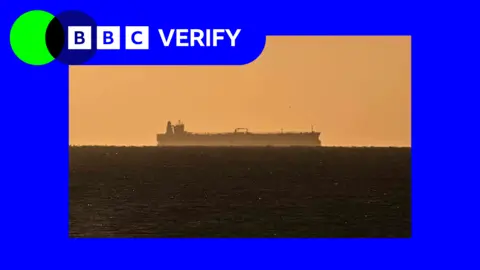
The gap between policy and practice was stark: after Keir Starmer’s government said British forces could board sanctioned vessels in UK waters, dozens of Russia-linked tankers kept sailing through anyway. Ship-tracking data shows 184 UK-sanctioned vessels made 238 transits through British waters between 25 March and 11 May 2026, most of them oil tankers tied to Moscow’s shadow fleet.
The announcement on 25 March was meant to close a route that London said was helping fund Vladimir Putin’s war in Ukraine. Ministers said Armed Forces and law-enforcement officers would be able to intercept sanctioned ships in UK waters, including the English Channel, and argued that many of the vessels were uninsured or poorly maintained, raising risks for maritime safety, critical infrastructure and the environment. Yet no public evidence has emerged that any of the ships that passed through after the warning were boarded.
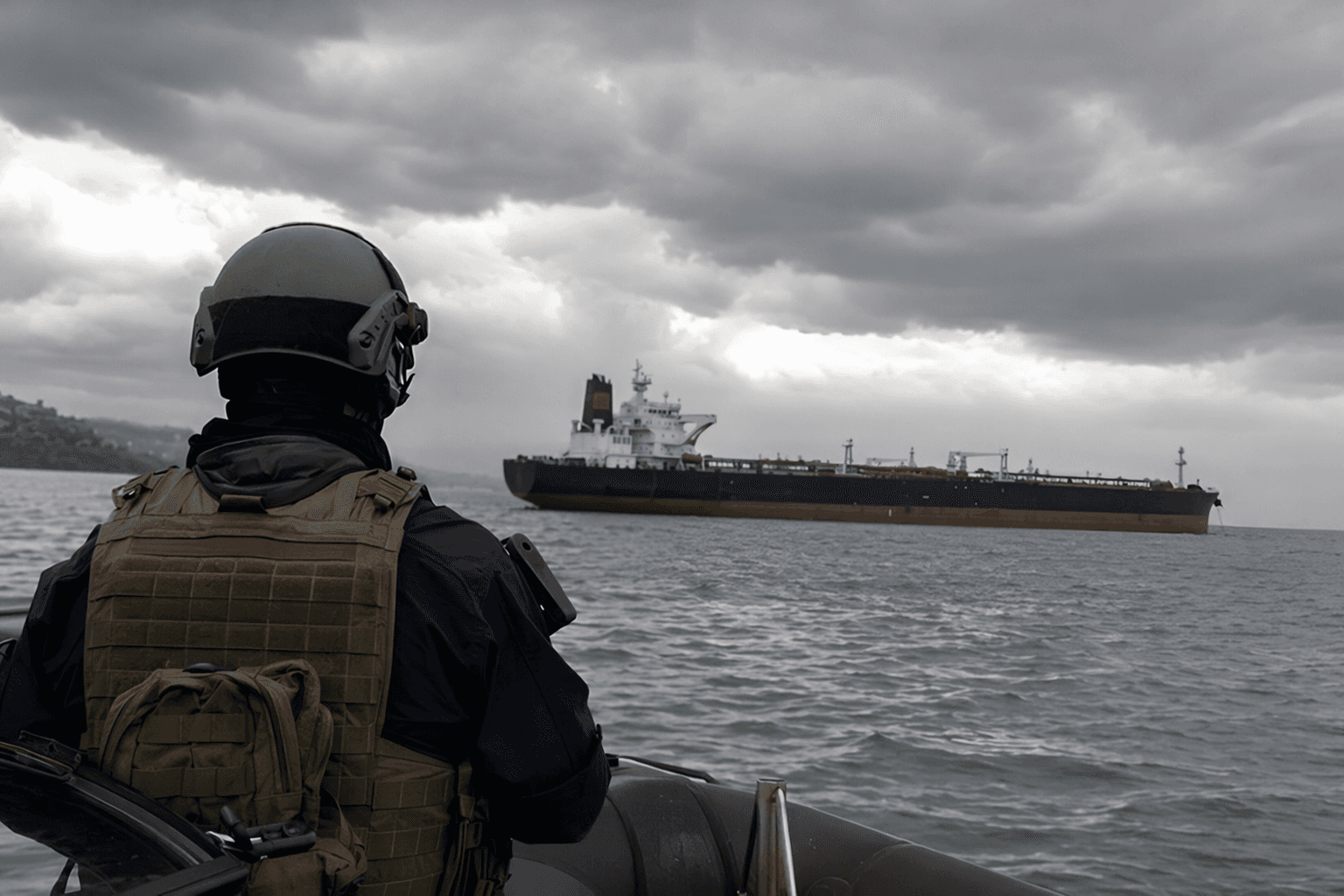
The scale of the defiance is hard to miss. More than 25 sanctioned ships had already crossed British waters shortly after the threat, and by 11 May the tally had risen to 238 transits. The Channel remained the most convenient corridor for vessels moving between the Baltic Sea and southern Europe, giving the shadow fleet a direct path through one of Europe’s busiest shipping lanes despite the political signal from London.
The enforcement challenge was visible again in April, when the Russian frigate Admiral Grigorovich escorted sanctioned tankers through UK waters while the Royal Navy kept the vessel under continuous watch. That episode underlined how Moscow’s maritime assets can still operate in contested waters even as Britain tries to tighten pressure on Russia’s oil trade.
Starmer raised the issue at the Joint Expeditionary Force summit in Helsinki on 26 March, where the UK said it was working with partners including Finland, Sweden and Estonia. Those countries have recently carried out operations against suspected shadow fleet vessels in the Baltic, highlighting a more aggressive enforcement posture in northern Europe than Britain has yet shown in practice.
London has been escalating for months. It announced what it called its largest-ever shadow fleet sanctions package on 9 May 2025, then added 50 more ships to the sanctions list on 24 February 2026. Even so, the National Crime Agency warned in July 2025 that the evasion network was resilient and spread across brokers, traders and financial intermediaries, which helps explain why the fight is no longer just a naval problem. The Ministry of Defence says enforcement is assessed case by case and is “disrupting and deterring” shadow fleet vessels, but the waters around Britain have continued to tell a different story.
This article was produced by Prism’s automated news system from verified source data, official records, and press releases, then run through automated quality and moderation checks before publishing. The system is built and supervised by the people who set the standards it runs under. Read our full AI policy.
Did this article answer your question?