Ukraine and Iran expose limits of U.S. and Russian power
Ukraine and Iran show how great powers misread local politics, then sink into wars that drain credibility, strain alliances, and redraw security choices.
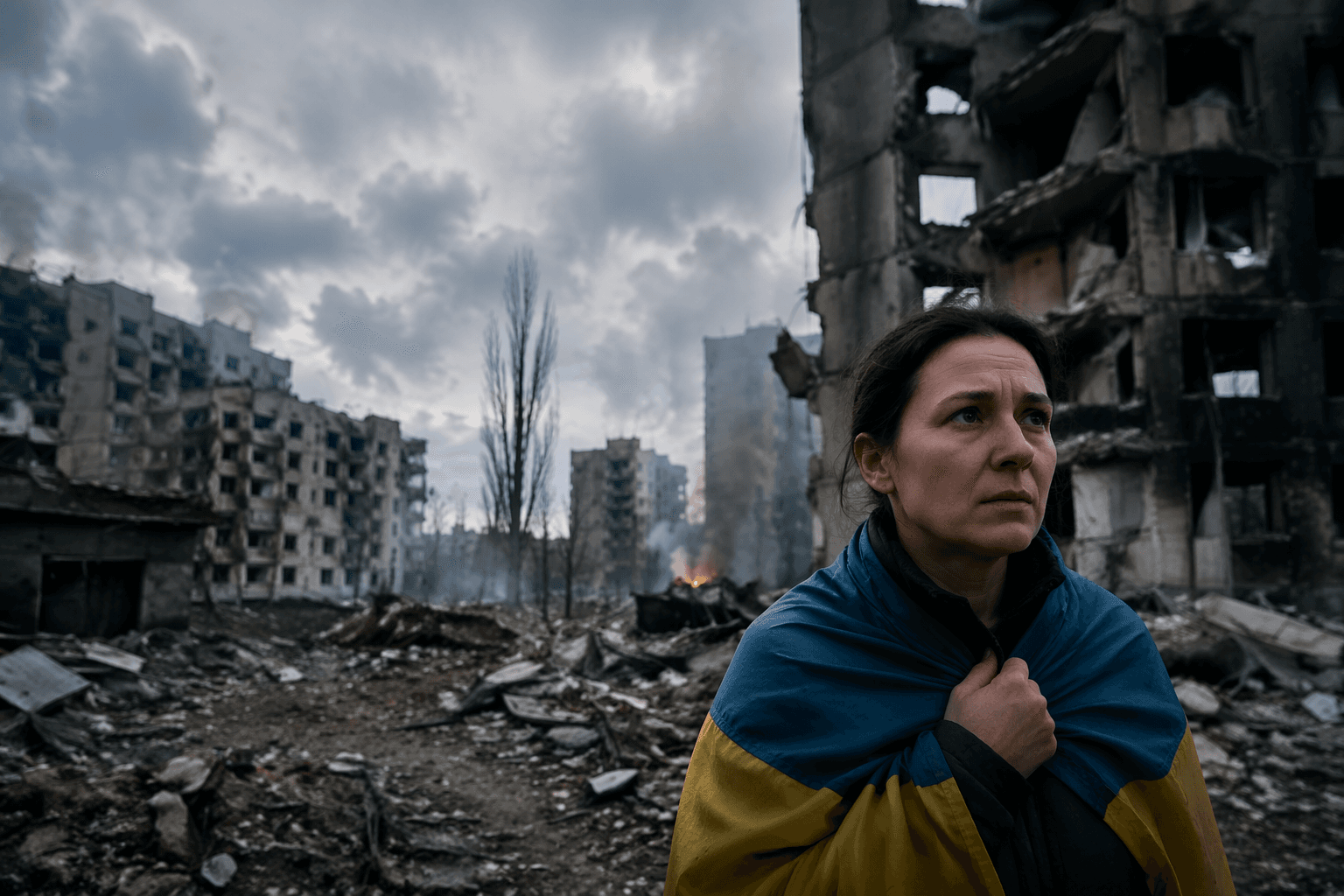
The sharpest lesson from Ukraine and Iran is not battlefield drama but strategic error. Russia and the United States each entered wars expecting quick results, only to find themselves trapped in costly conflicts that have weakened their military credibility and exposed how badly outside powers can misread local politics, identity, and history. Fiona Hill’s Brookings analysis argues that the result is not just stalemate but blowback: leaders lose authority, allies hedge, and the wider security order starts to shift.
That pattern matters because it is repeatable. Major powers often assume force will substitute for political understanding, then discover that local societies adapt faster than outsiders do. In both cases, the promise of rapid victory collided with the reality of durable resistance, complex alignments, and the long burden of occupation, retaliation, or escalation.
Ukraine shows how fast adaptation can erase the illusion of easy victory
Ukraine has become the clearest example of a war in which the weaker side learned and the stronger side paid for underestimation. Brookings notes that modern warfare in Ukraine has been reshaped by rapid battlefield innovation and adaptation, and that Ukraine is now increasingly seen as one of Europe’s most capable and influential military actors. That is a profound shift from the assumptions that often shape invasions: that local forces will collapse, external support will fragment, or political cohesion will not hold.
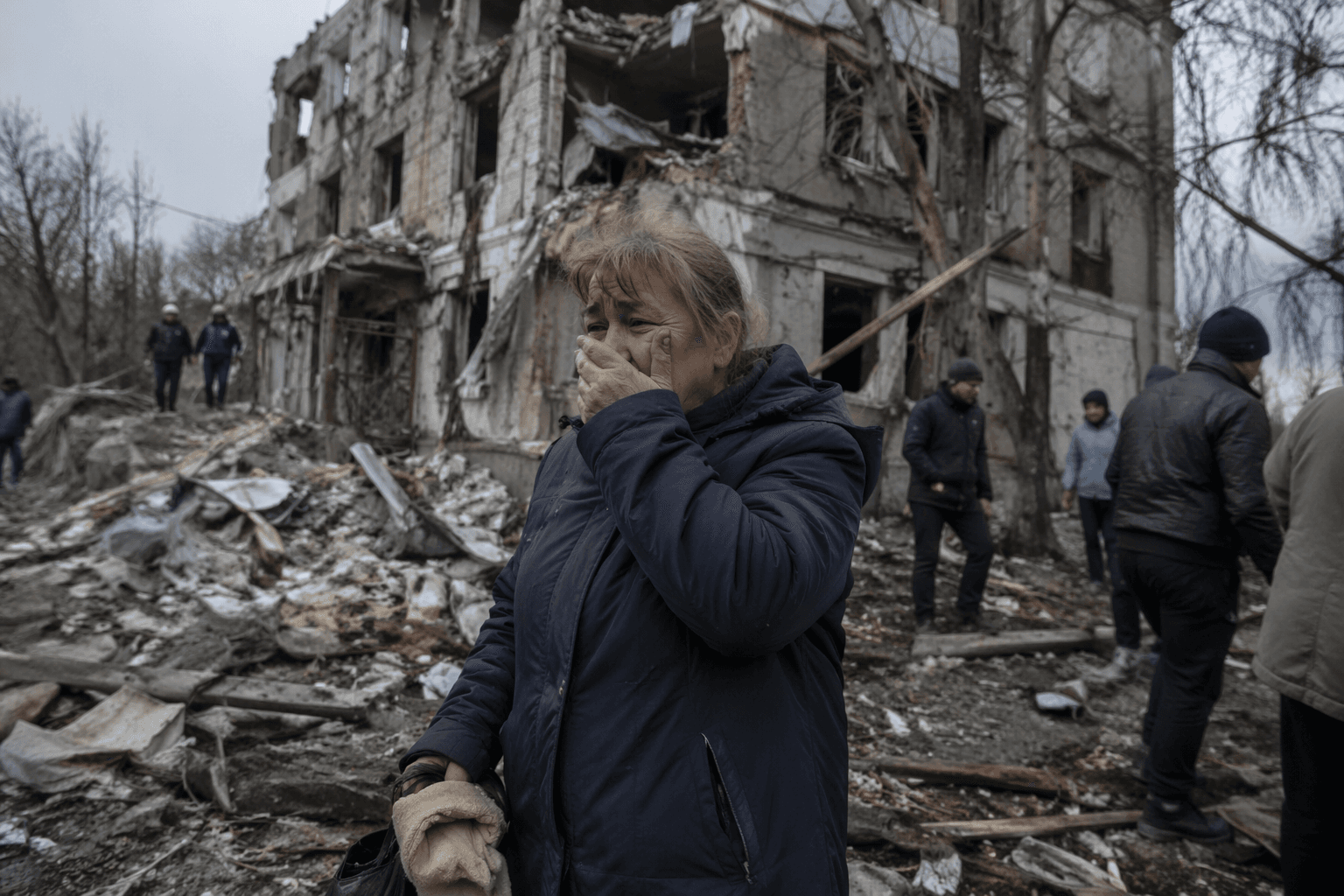
The civilian toll underscores how far the war has moved beyond any simple expectation of a short campaign. The United Nations human rights mission in Ukraine reported at least 274 civilians killed and 1,763 injured in May 2026, the highest monthly civilian toll since April 2022. In March 2026, at least 211 civilians were killed and 1,206 injured. Public reporting citing Office of the United Nations High Commissioner for Human Rights figures said verified civilian casualties in Ukraine had reached 60,659 by the end of April 2026.
Those numbers are not just humanitarian markers. They are evidence of a war that has settled into a grinding, expensive phase in which military endurance, industrial capacity, and alliance support matter more than initial assumptions. For Russia, that means a campaign that has not delivered the clean, decisive outcome Moscow wanted. For Europe and Ukraine, it means security thinking is shifting toward longer-term resilience and deeper partnerships that do not rely on a single dominant guarantor.
Iran reveals the cost of relying on force without political depth
Hill’s broader warning extends to Iran, where the same logic has produced its own trap. Brookings says failure to achieve quick victories in Ukraine and Iran has left both Russia and the United States in costly wars, damaged their credibility as military powers, and weakened national and international perceptions of Vladimir Putin’s and Donald Trump’s leadership. The point is not simply that intervention is expensive. It is that force deployed without a serious grasp of local power structures tends to generate resistance that is harder to control than the crisis that prompted intervention in the first place.
Brookings places Hill’s article in its “Blowback: How the Iran war may change the world” series, which signals the broader strategic stakes. Wars of choice or escalation do not end at the border of the battlefield. They ripple through alliances, markets, diplomatic posture, and domestic legitimacy. Once the expectation of quick success fails, the political costs inside the intervening power begin to compound.
That is why overreliance on a single powerful actor for security looks so dangerous in Hill’s telling. It can encourage partners to assume they do not need to build their own resilience, then leave them exposed when the patron’s power proves limited or overstretched. The lesson is visible in both Ukraine and Iran: military capability matters, but political understanding and institutional depth matter just as much.
Afghanistan was the warning that never fully sank in
The comparison with Afghanistan is unavoidable because it shows how long this pattern has been hiding in plain sight. The Washington Post’s Afghanistan Papers, published in December 2019, reported that senior U.S. officials failed to tell the truth about the war in Afghanistan for years. The National Security Archive later said declassified documents showed the U.S. government under four presidents misled the public for nearly two decades about progress in Afghanistan.
That history matters because it reveals a recurring institutional habit: optimistic narratives survive long after the facts on the ground have turned against them. Political leaders continue to promise momentum, progress, or imminent success while the war itself becomes a test of stamina, credibility, and narrative control. Ukraine and Iran fit that same mold. The initial strategic story is simple. The real conflict is political, social, and psychological, and it lasts far longer than the opening plan.
For policymakers, Afghanistan is the clearest warning sign that should have been read before any new intervention: if the public story depends on easy progress, and if outside actors cannot explain local dynamics with precision, then the war is probably already moving into a costly, long-duration phase.
What policymakers keep ignoring before they go in
The recurring warning signs are visible across these cases:
- A belief that the opponent will fracture quickly.
- A shallow reading of local alliances, identities, and historical grievances.
- Overconfidence that military power can substitute for political legitimacy.
- An assumption that allies will stay aligned once the costs rise.
- A public narrative of confidence that outpaces conditions on the ground.
Those mistakes do more than prolong fighting. They change how the world measures power. If Russia cannot secure a quick victory in Ukraine, and the United States cannot turn Iran into a manageable demonstration of force, both powers lose something harder to regain than territory: credibility. Once that erodes, allies hedge, adversaries test boundaries, and regional actors begin designing security arrangements that depend less on Washington or Moscow.
The long-term consequence is a more fragmented security order
The deeper economic and strategic effect is not only military attrition. It is the rearrangement of international relationships around uncertainty. Hill argues that diminished U.S. leadership and strained alliances are pushing Europe, Ukraine, and others to consider new security arrangements and deeper partnerships beyond the United States. That is the kind of shift that takes years to unfold, but once it starts, it is hard to reverse.
In that sense, Ukraine and Iran are not isolated wars. They are case studies in how great powers overread their own reach and underrate the local realities that decide modern conflicts. The result is not decisive victory but strategic drag, higher costs, and a world that gradually builds around their limits.
This article was produced by Prism’s automated news system from verified source data, official records, and press releases, then run through automated quality and moderation checks before publishing. The system is built and supervised by the people who set the standards it runs under. Read our full AI policy.
Know something we missed? Have a correction or additional information?
Submit a Tip