Ukraine Launches Drone Barrage Over Moscow, Dozens Shot Down
Ukrainian forces launched a series of drone attacks that Russian authorities say struck Moscow, parts of western Russia and Russian annexed Crimea on December 31, 2025, prompting extensive interceptions by air defence units. The strikes underscore the growing role of unmanned systems in the conflict and raise new questions about escalation risks, domestic stability in Russia, and market reactions to military shock.
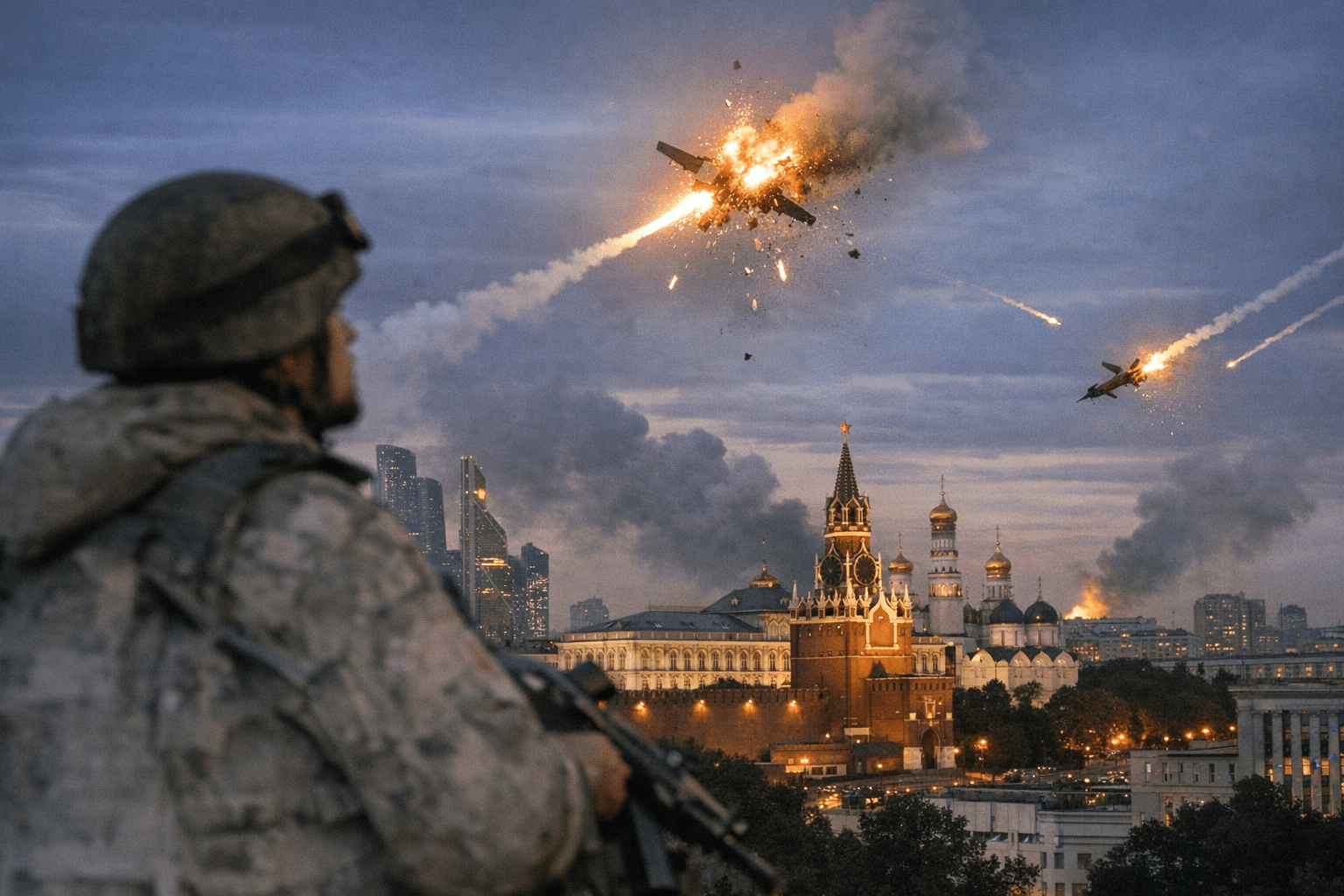
Russian authorities reported that on December 31, 2025 Ukrainian forces mounted coordinated drone strikes aimed at Moscow, regions in western Russia and Russian annexed Crimea. The defence ministry and regional officials said air defence units intercepted and destroyed large numbers of drones, with authorities using the phrase dozens of drones downed in their initial bulletins. Officials did not immediately provide a full accounting of damage or casualties.
The strikes mark another instance in which Ukrainian forces have projected force into the heart of Russia, exploiting the increasing availability of commercial and military unmanned aerial systems. Since the full scale invasion began in 2022, both sides have relied heavily on drones for reconnaissance and attack missions, turning low cost platforms into a persistent strategic challenge for air defences and homeland security.
The immediate implications are predominantly military and political, but there are clear economic angles that investors and policymakers will watch closely. Large scale drone activity over population centres elevates the risk premium on Russian assets, at least temporarily. Financial markets sensitive to geopolitical risk, including currency, sovereign debt and regional equity markets, typically react to sudden escalations by pricing in greater uncertainty. For Russian households and firms the potential for intermittent infrastructure disruptions can raise transaction costs and weigh on consumer confidence.
Energy markets are a particular focus because Russia is a major global supplier of oil and natural gas. Attacks concentrated near Moscow and Crimea do not automatically translate into disruptions of export pipelines or terminals, but they increase investor concern over stability in a country that supplies almost a quarter of Europe’s gas market in some years. Energy traders and European policymakers watch for any sign that strikes could spread to critical infrastructure or force adjustments to export or transit routes.
The defence industrial sector is likely to see renewed attention. Protracted use of drones tends to favour investment in counter drone capabilities and advanced air defence systems. That dynamic can accelerate procurement decisions in NATO capitals and among other states that look to shield key assets from low cost unmanned threats. Insurance markets may respond as well, with potential upward pressure on premiums for aviation and critical infrastructure coverage in high risk zones.
Policy makers face hard choices. For the Kremlin, the strikes are a domestic security test that could bolster calls for tighter internal controls and accelerated defence spending. For Ukraine and its Western backers, the tactical utility of deep strikes must be weighed against the risk of further escalation and the political optics of operations that touch civilian spaces inside Russia. Diplomats in capitals from Brussels to Washington will likely intensify contingency planning and messaging to reduce the risk of miscalculation.
Beyond this episode, the enduring lesson is that drones have reshaped the battlefield and blurred traditional lines between front and rear. The economic and strategic ripple effects will unfold over months, as markets price in persistent uncertainty and governments adapt procurement and civil defence policies to a conflict where low cost technology can have outsized impact.
This article was produced by Prism’s automated news system from verified source data, official records, and press releases, then run through automated quality and moderation checks before publishing. The system is built and supervised by the people who set the standards it runs under. Read our full AI policy.
Did this article answer your question?