Ukraine Orders Evacuation of Over 3,000 Children from Frontline Settlements
Ukraine has ordered the compulsory removal of more than 3,000 children and their parents from 44 frontline settlements as fighting intensifies in the east and south. The move reflects mounting security pressures and sharp increases in displacement that will strain regional housing, social services, and reconstruction budgets.
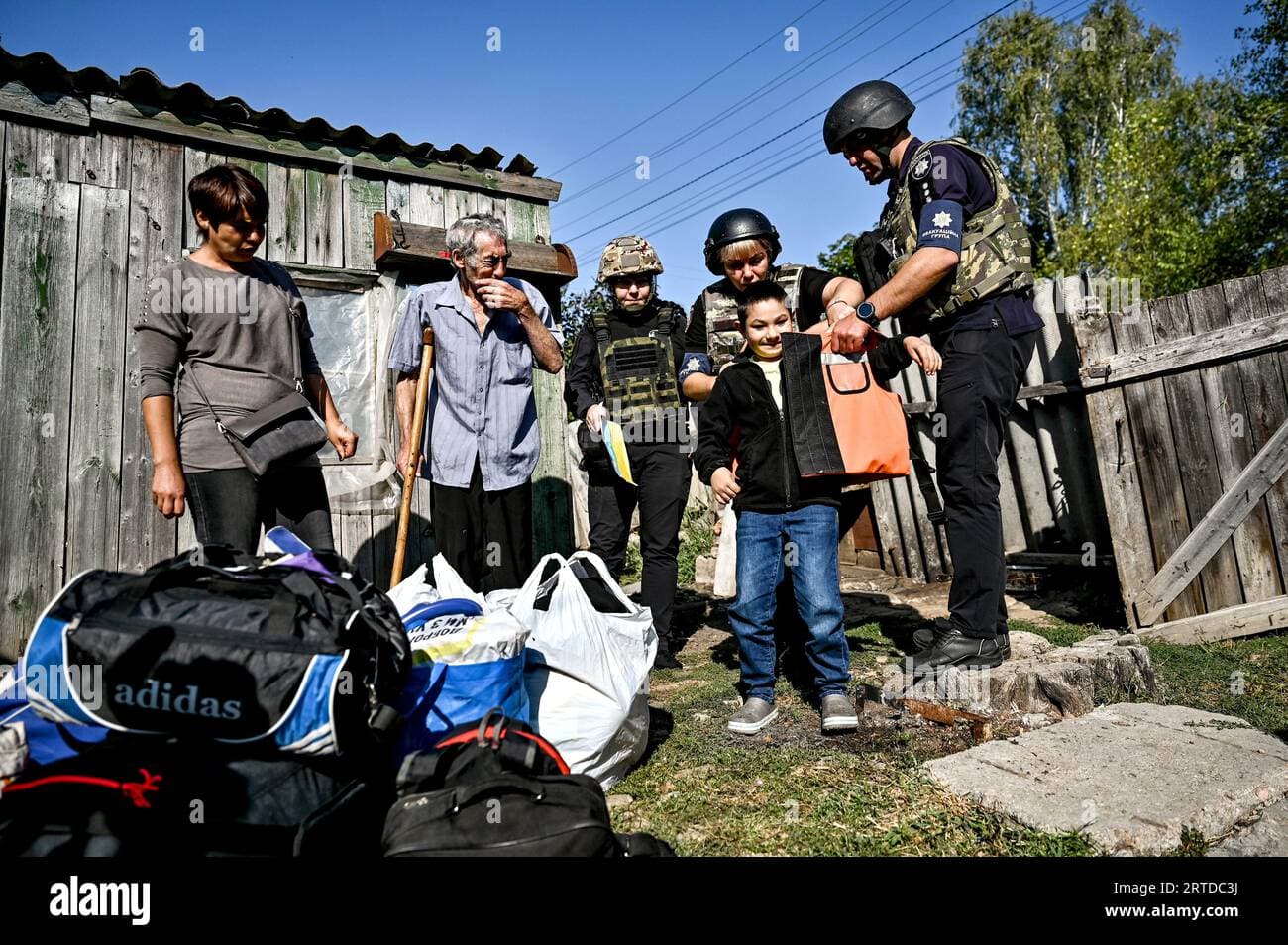
Ukraine has ordered the compulsory evacuation of more than 3,000 children together with their parents or legal guardians from 44 frontline settlements in Zaporizhzhia and Dnipropetrovsk oblasts, officials said in statements posted on January 2–3, 2026. The measure, announced by Oleksiy Kuleba via his Telegram channel, follows a recent escalation in Russian military activity, including large-scale drone and artillery strikes in the affected regions.
Kuleba framed the action as necessary to protect children amid a deteriorating security environment. Evacuations are reported to be underway in northern Chernihiv oblast as well, where a mandatory order issued on December 30 covered 14 settlements; three have been fully cleared and evacuations continue in the remaining 11. The orders mark a sharp intensification of civilian relocations in areas where Moscow-backed forces have escalated both ground operations and aerial attacks.
The compulsory evacuations add to a substantial recent displacement trend. Officials say that since June 1, 2025, nearly 150,000 people have been moved from frontline zones to safer parts of Ukraine. Of those, roughly 18,000 are children and more than 5,000 are people with reduced mobility. Authorities report that more than 80,000 temporary accommodation places have been prepared to receive those displaced, and that each evacuated family should receive support ranging from temporary housing to legal assistance.
The immediate logistical challenge is significant. Moving more than 3,000 children with accompanying adults requires coordinated transport, medical screening, registration, and placement, all while under security threat. Reception regions face near-term costs for shelter, food, heating and social services at a time when Ukrainian public finances remain under pressure from war-related spending and reduced economic output in frontline provinces.

Economically, the removal of families from industrial Dnipropetrovsk in particular risks disrupting local labor pools and production chains. Dnipropetrovsk hosts a concentration of heavy industry and supply-chain nodes; sustained evacuations can reduce available labor, increase operational uncertainty for firms, and complicate efforts to maintain energy and manufacturing output during winter months. For local governments, the combined burden of reception and long-term reintegration will require reallocation of budgets and likely continued international aid.
Policy implications extend beyond immediate humanitarian needs. The compulsory nature of the evacuations raises legal and ethical questions about civil liberties under emergency conditions. It also underscores the limits of in-place civil defense when artillery and drone strikes render frontline habitation untenable. Planning for reconstruction and eventual return will need to incorporate large-scale demining, infrastructure repair, and psychosocial support for children exposed to sustained violence.
For now, Kyiv is prioritizing immediate safety. The scale of recent movements suggests displacement will remain a central economic and social challenge through 2026, with fiscal costs for housing and services, potential labor shortages in industrial zones, and long-term demographic effects in regions that bear the brunt of fighting. Authorities say the evacuations are temporary, but the pace of military activity will determine whether families can return or whether resettlement and reconstruction become longer-term policy priorities.
This article was produced by Prism’s automated news system from verified source data, official records, and press releases, then run through automated quality and moderation checks before publishing. The system is built and supervised by the people who set the standards it runs under. Read our full AI policy.
Did this article answer your question?


