Ukraine, Russia trade ceasefire violations during brief Easter truce
Ukraine and Russia each tallied thousands of violations within hours of an Easter truce, exposing how little both sides trust the ceasefire they were meant to honor.
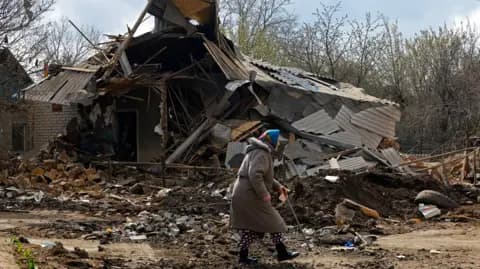
Shelling, drone strikes and counter-accusations returned almost as soon as the guns were supposed to quiet. Within hours of a Kremlin-declared Orthodox Easter truce taking effect, Ukraine said Russian forces had committed 2,299 ceasefire violations by 7 a.m. Sunday, while Russia’s defense ministry said Ukrainian forces had committed 1,971 violations by 8 a.m., including three attempted counter-attacks in the Dnipropetrovsk region.
The numbers capture the central weakness of the brief pause: each side is acting as its own scoreboard, prosecutor and witness. Russian President Vladimir Putin объявed the 32-hour truce for Orthodox Easter, starting at 4:00 p.m. local time on Saturday, April 11, and meant to run until the end of Sunday. But the ceasefire quickly became a contest over blame, not proof, as both governments accused the other of breaking it almost immediately.
Volodymyr Zelensky said Ukraine would respond “symmetrically” to Russian attacks and described Easter as “a time of peace.” That language reflected a familiar tension in this war, now in its fifth year: even brief pauses are tested by battlefield incentives, distrust and the absence of a neutral enforcement mechanism that both sides accept. When Moscow says Kyiv fired first, and Kyiv says Moscow kept firing, the dispute is not just about whether a shell landed or a drone crossed a line. It is about who gets to define the truce.
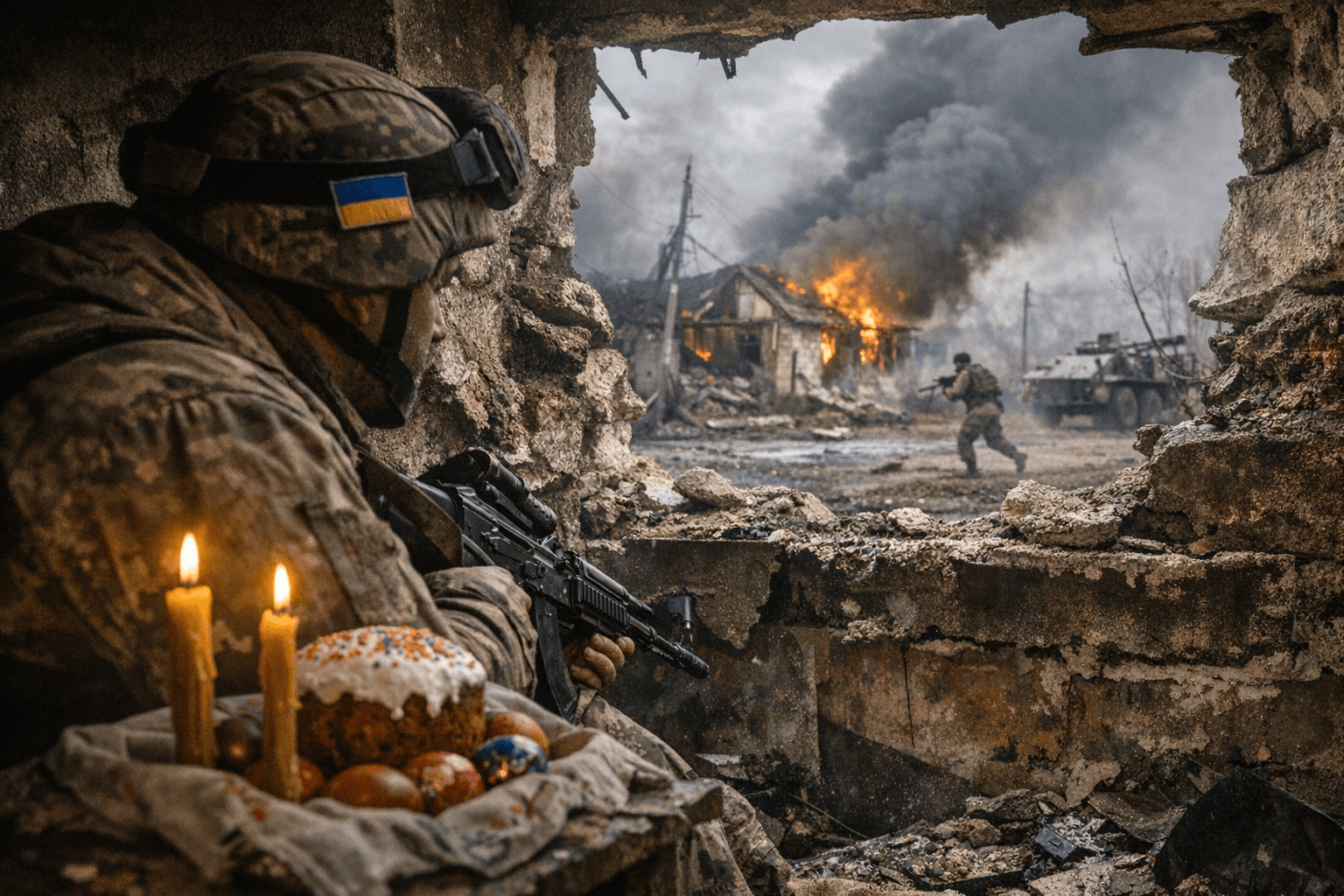
The scale of the reported violations also suggests that the Easter pause was fraying before the holiday ended. More than a thousand drone and shelling attacks were reported just hours into the truce, according to coverage from the conflict zone, and the counts from both militaries rose into the thousands by Sunday morning. That leaves the ceasefire looking less like a durable halt in fighting than a temporary political gesture, one announced from the top and contested from the start.
Russia did not agree to extend the ceasefire beyond the holiday period. With neither side conceding the other’s account, the Easter truce became a familiar wartime pattern: a narrow opening for calm, followed by dueling claims that are difficult to verify and impossible to trust without an outside arbiter on the ground.
This article was produced by Prism’s automated news system from verified source data, official records, and press releases, then run through automated quality and moderation checks before publishing. The system is built and supervised by the people who set the standards it runs under. Read our full AI policy.
Did this article answer your question?


