Ukraine says Russia recruited teen girls for killings of soldiers
Ukraine said Russian handlers used Telegram and dating sites to recruit teen girls for killings, after a 17-year-old was detained in Zhytomyr.

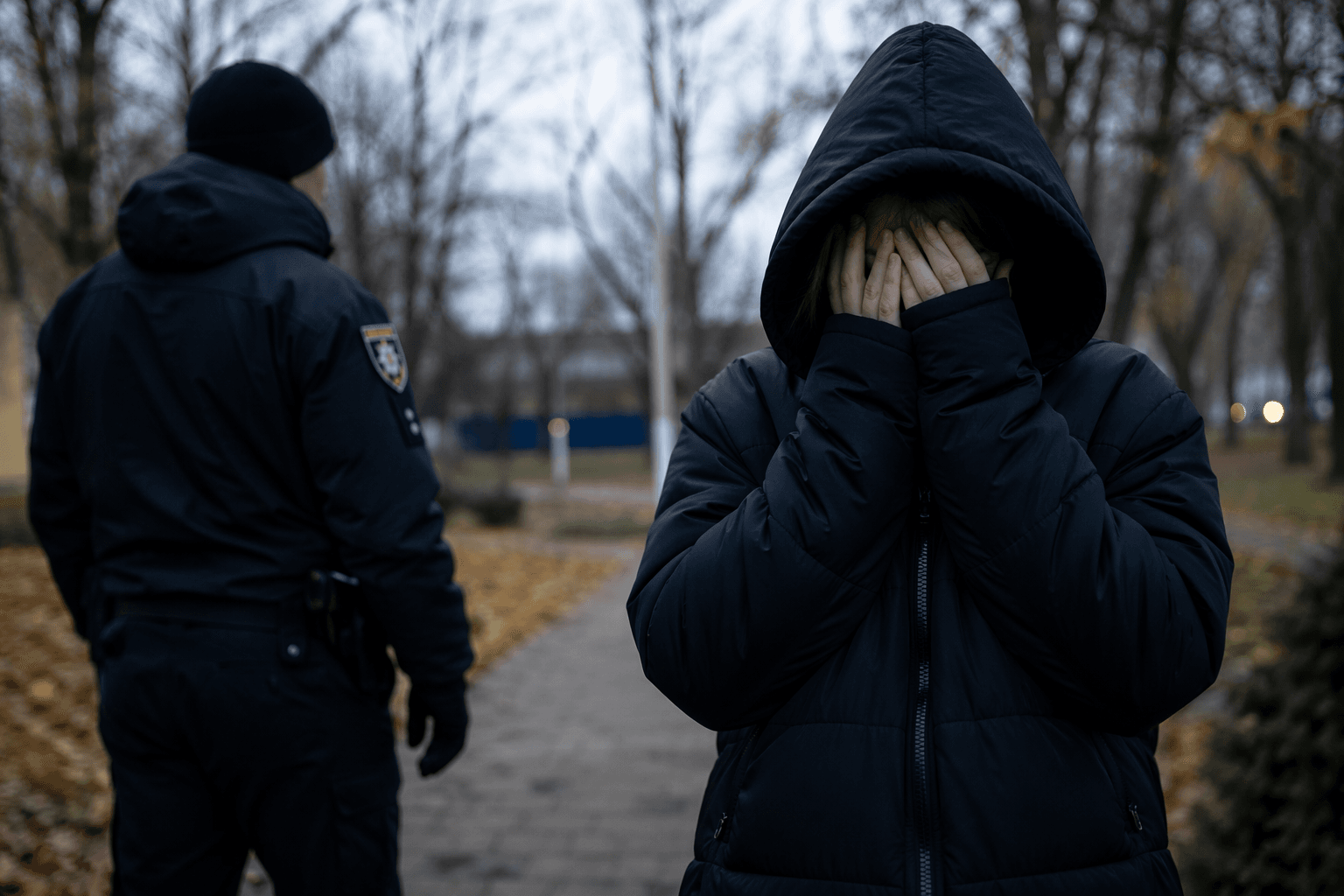
Ukrainian officials say Russia is pushing the war deeper into civilian life, recruiting teenage girls through Telegram and dating sites to help kill Ukrainian servicemen. The accusation came after police detained a 17-year-old in Zhytomyr Oblast on June 5 in connection with the death of a 27-year-old serviceman found in a rented apartment in Zhytomyr city.
Investigators said a resident alerted police after discovering the dead tenant on June 4. At the scene, officers seized dishes with traces of a powdery substance and other evidence, while local reporting identified the suspect as a girl from Berdychiv district. Police suspect she had been communicating through Telegram with a man believed to be linked to Russian security services.
Ivan Vyhihskyi, Ukraine’s national police chief, said law enforcement had recorded six contract killings arranged via Telegram since the start of 2026, and that one had been stopped before it was carried out. He said recruiters contacted young women through messaging platforms, promised easy money, and then directed their actions remotely. In some accounts of his remarks, he said the recruits were told to find servicemen on dating sites, rent apartments for meetings, and obtain methadone so they could offer drinks laced with the substance.
The case has sharpened concern inside Ukraine about the way covert violence now relies on youth vulnerability, social media and deniable intermediaries rather than formal military lines. Ukrainian officials say Russian special services have increasingly used Telegram and other platforms to hide who is behind the plot, making it harder for investigators to trace command chains before an attack is carried out.
The Zhytomyr case also fits into a wider sabotage campaign that Ukrainian authorities say has accelerated during the war. Ukraine says more than 1,100 people have been accused of arson, terrorism or sabotage as betrayals of the country, and on April 28 authorities said they had already prevented a separate plot to kill a major general in the Defense Forces in Zhytomyr Oblast. For police and counterintelligence services, the threat is not limited to the front line: it reaches into apartment buildings, dating apps and teenage inboxes, where the warning signs can be easy to miss until a serviceman is already dead.
This article was produced by Prism’s automated news system from verified source data, official records, and press releases, then run through automated quality and moderation checks before publishing. The system is built and supervised by the people who set the standards it runs under. Read our full AI policy.
Know something we missed? Have a correction or additional information?
Submit a Tip