U.S. and Iran trade airstrikes again as ceasefire teeters
Air defenses went up in Kuwait and Bahrain as U.S. and Iranian strikes again widened the risk to troops, shipping and the Strait of Hormuz.
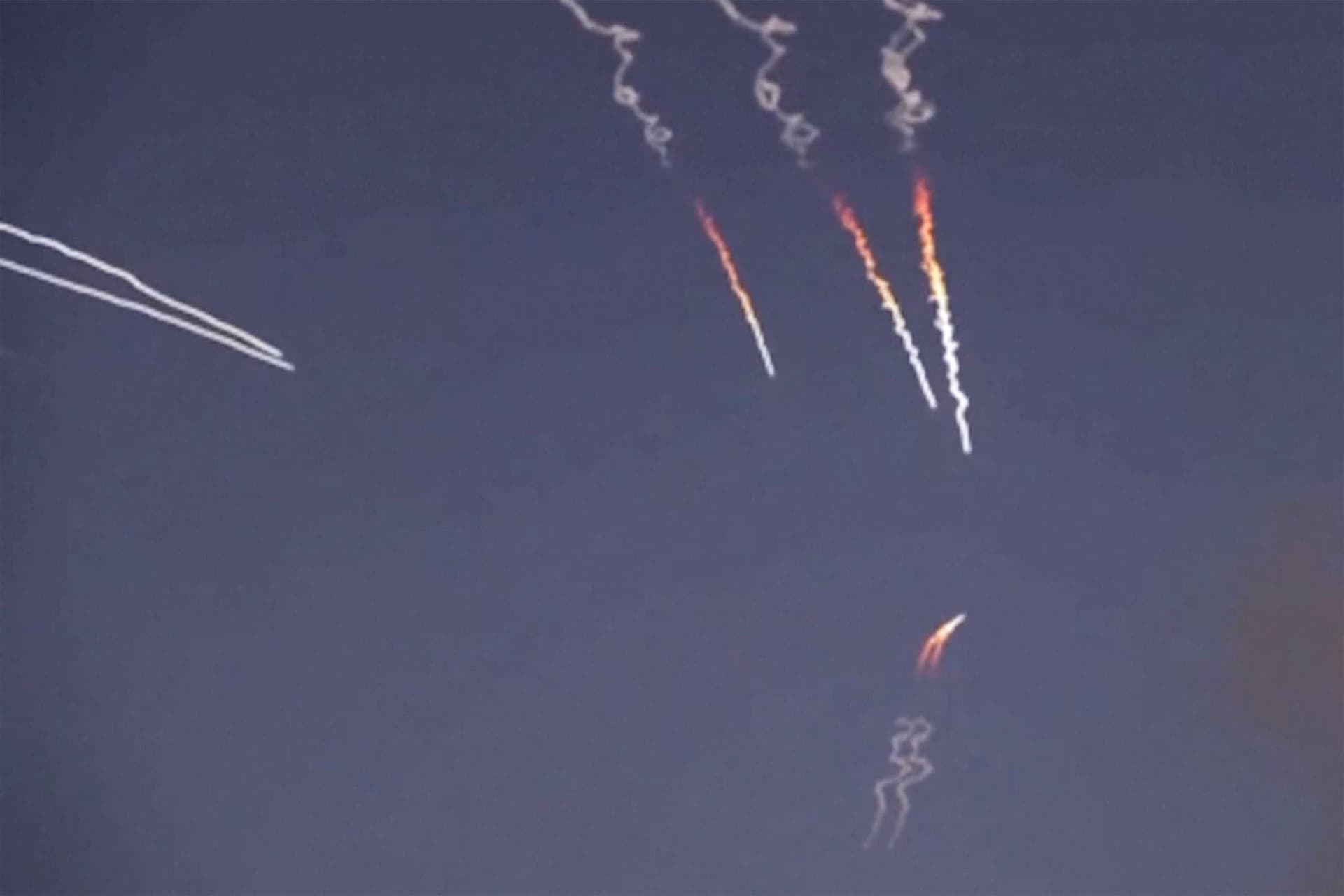
Air-defense alerts in Kuwait and Bahrain, missile claims in Jordan, and another U.S. strike on Iran showed how quickly the conflict has moved beyond isolated blows. The latest exchanges raised the stakes for American forces, commercial shipping and Gulf airspace as the fragile ceasefire that took effect on April 8 kept fraying.
The United States and Iran traded air attacks on Thursday, June 11, 2026, for a second straight day. U.S. Central Command said it launched another round of strikes after President Donald Trump said Tehran had taken too long to accept a deal and would “pay the price.” Iran’s Islamic Revolutionary Guard Corps said it fired ballistic missiles at a U.S. command center in Jordan, a direct signal that the battlefield had spread well beyond Iran’s borders.
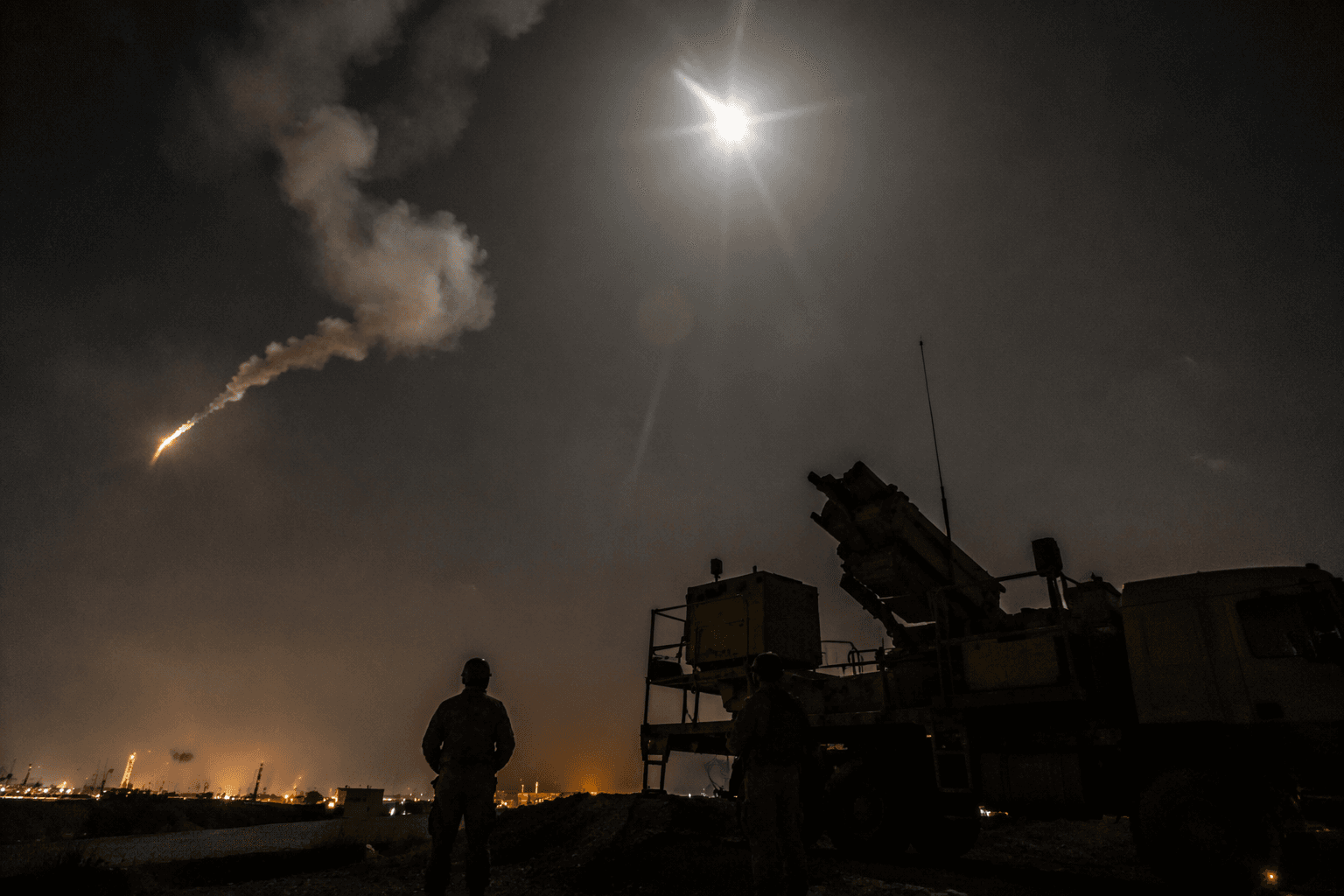
The clearest escalation markers were already visible. Kuwait and Bahrain reported incoming strikes and activated air-defense systems. The conflict has also reached the region’s infrastructure, with Iran striking Kuwait International Airport, where one person was killed and others were injured. In another flashpoint, three Indian mariners were killed after a U.S. strike on a tanker off the Oman coast. Earlier in the escalation, a U.S. military helicopter was downed, helping trigger the latest collapse in the ceasefire.
Those attacks point to the moves that would push the confrontation from tit-for-tat strikes toward a broader regional war. Sustained hits on air bases such as Al-Azraq in Jordan, repeated attacks on airports and command centers, or a concentrated effort to disrupt shipping near the Strait of Hormuz would raise the risk sharply for U.S. troops, allied aircraft and energy traffic. Missile and drone exchanges over Bahrain, Kuwait and Jordan already show how thin the buffer has become.
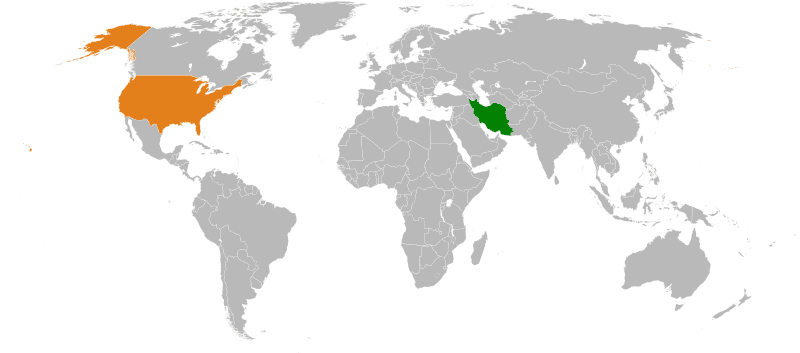
Diplomatic off-ramps still exist, but they are narrowing fast. Every new strike on a Gulf airport, every activation of air defenses, and every attack on a tanker adds pressure on governments already trying to keep sea lanes open and avoid a wider war that would ripple through oil markets and the safety of civilians across the region.
This article was produced by Prism’s automated news system from verified source data, official records, and press releases, then run through automated quality and moderation checks before publishing. The system is built and supervised by the people who set the standards it runs under. Read our full AI policy.
Know something we missed? Have a correction or additional information?
Submit a Tip