UN says forced displacement falls for first time in a decade, but remains near record levels
Forced displacement fell in 2025 for the first time in a decade, but 117.8 million people were still uprooted worldwide, including about 45 million children.

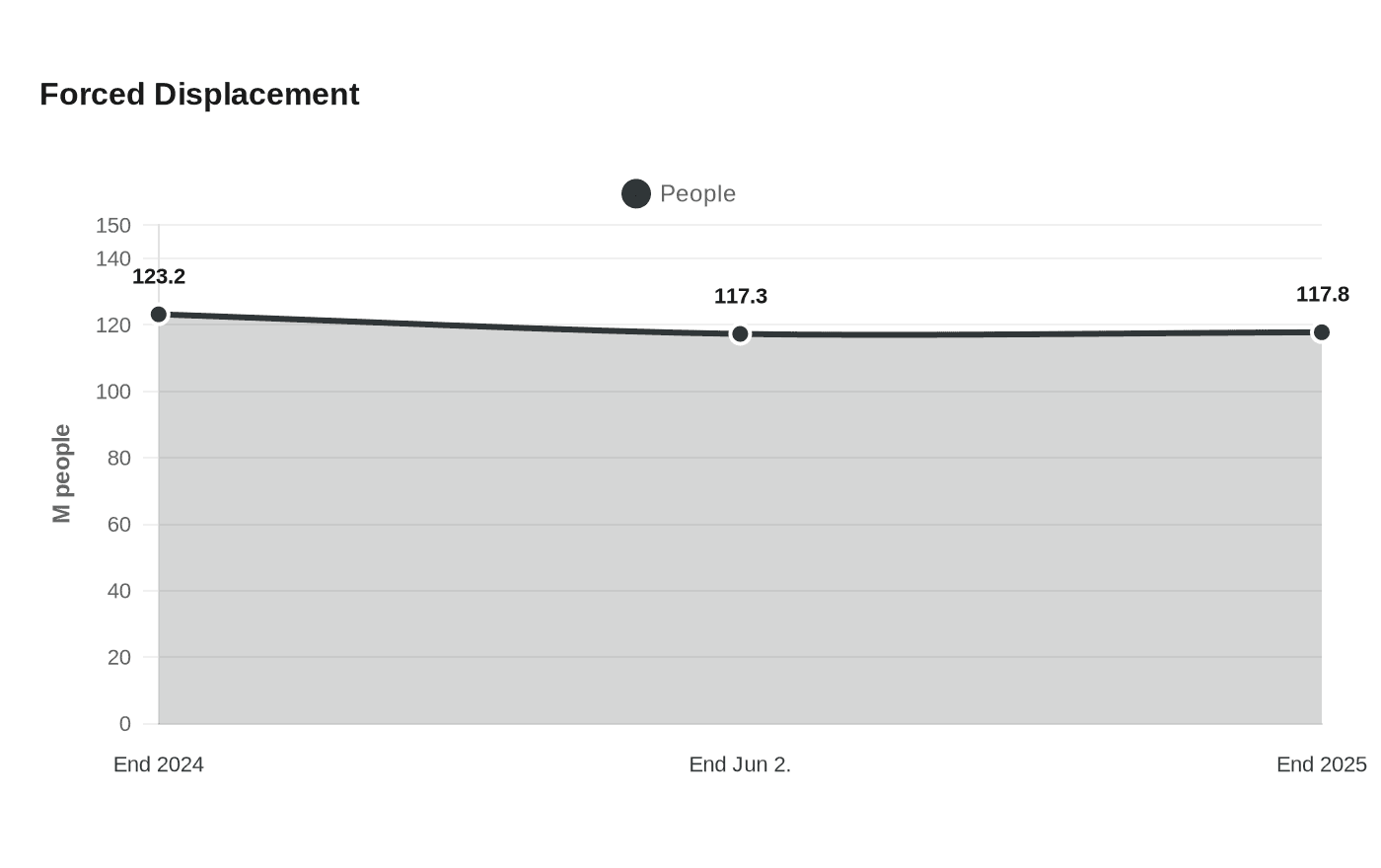
Forced displacement fell in 2025 for the first time in a decade, yet the global total still stood at 117.8 million people at the end of the year. The drop of 5.4 million, or 4 percent from the end of 2024, was driven mainly by large-scale returns rather than a broad easing of conflict, leaving the world’s displacement burden close to record levels.
The United Nations refugee agency said about 45 million of the uprooted were children under 18. Nearly 4.4 million refugees went back to their countries of origin in 2025, while 6.9 million displaced people returned to their areas or countries of origin in the first half of the year. But the agency warned that many of those returns happened under adverse conditions and to places where insecurity persisted, raising questions about how durable the improvement will prove.
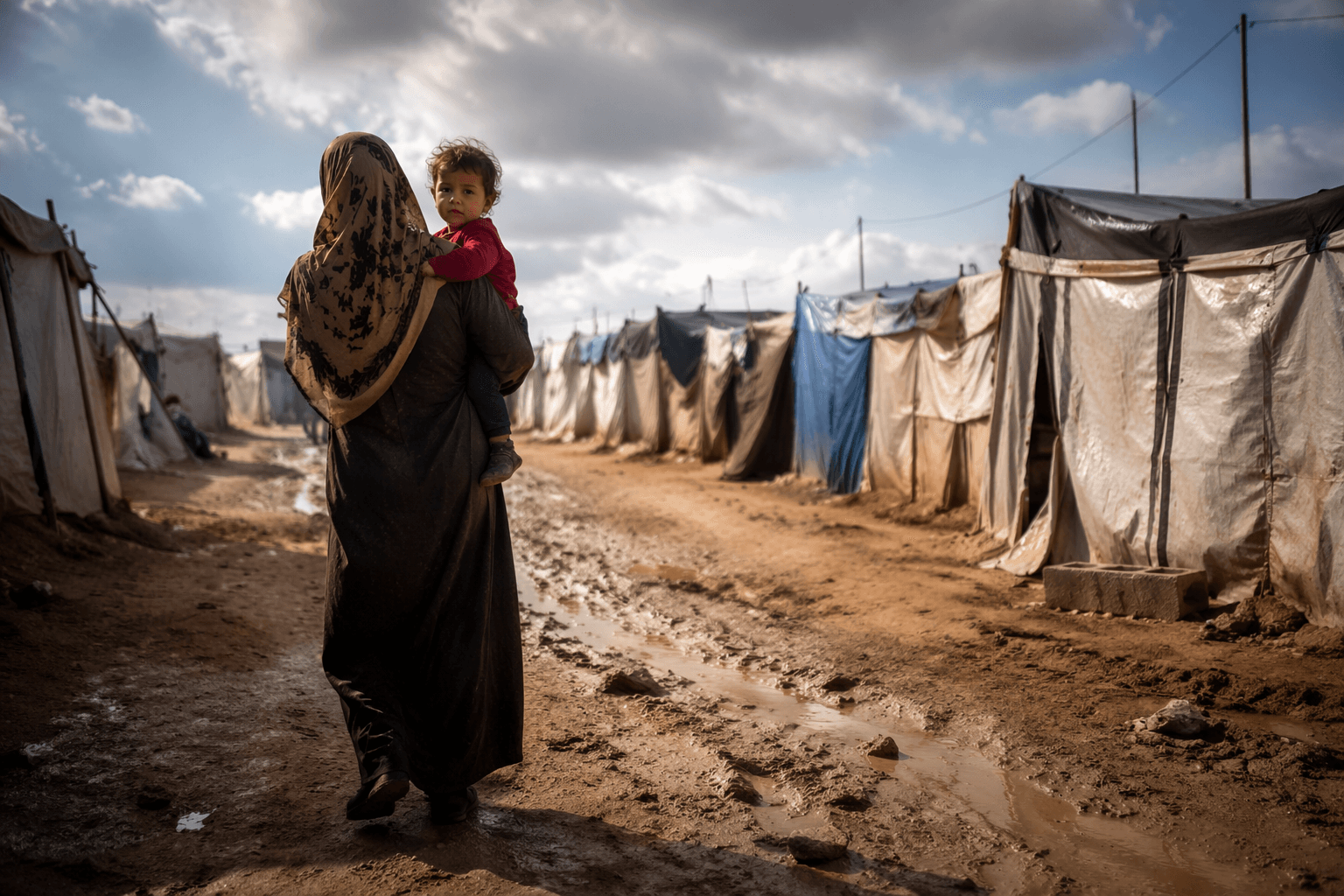
The decline came after a decade in which the number of forcibly displaced people had almost doubled. The global count reached 123.2 million at the end of 2024, and UNHCR said the pace of growth slowed in the second half of that year before turning slightly lower by mid-2025. Its estimate for the end of June 2025 was 117.3 million, and by the end of April 2026 the total was still hovering around 117 million to 118 million, showing how limited the improvement remained.
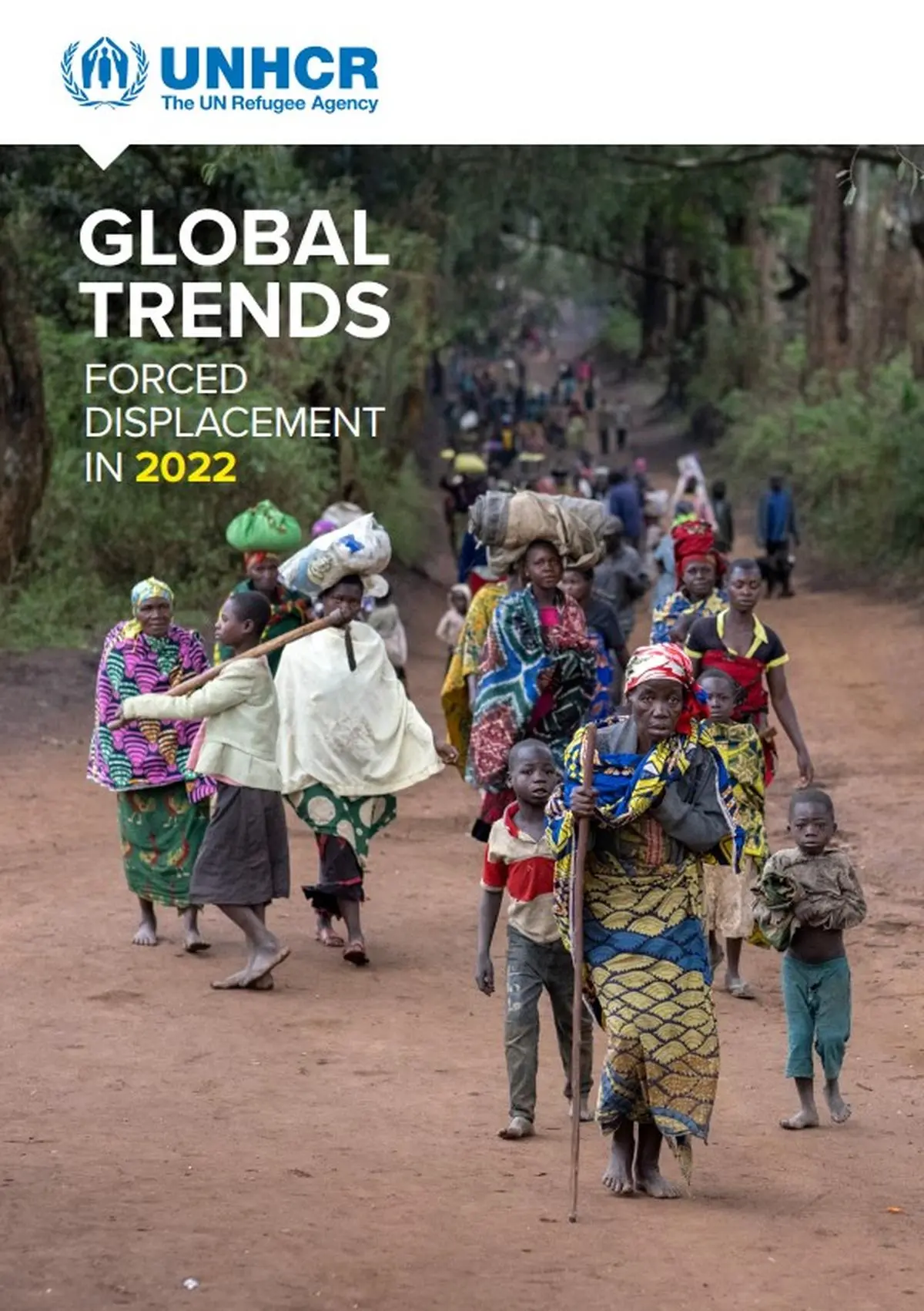
The numbers are still being shaped by wars and instability in a handful of crises. Sudan has become the world’s largest displacement emergency, with 14.3 million people uprooted since April 2022, including 11.6 million internally displaced people. Syria is no longer the biggest crisis after the fall of the Assad regime in December 2024, and more than 1.7 million Syrians had returned by mid-2025, including 500,000 refugees and 1.2 million internally displaced people by May. UNHCR said the rest of 2025 depended heavily on whether fighting eased in the Democratic Republic of the Congo, Sudan and Ukraine, whether South Sudan worsened, and whether conditions improved in Afghanistan and Syria.
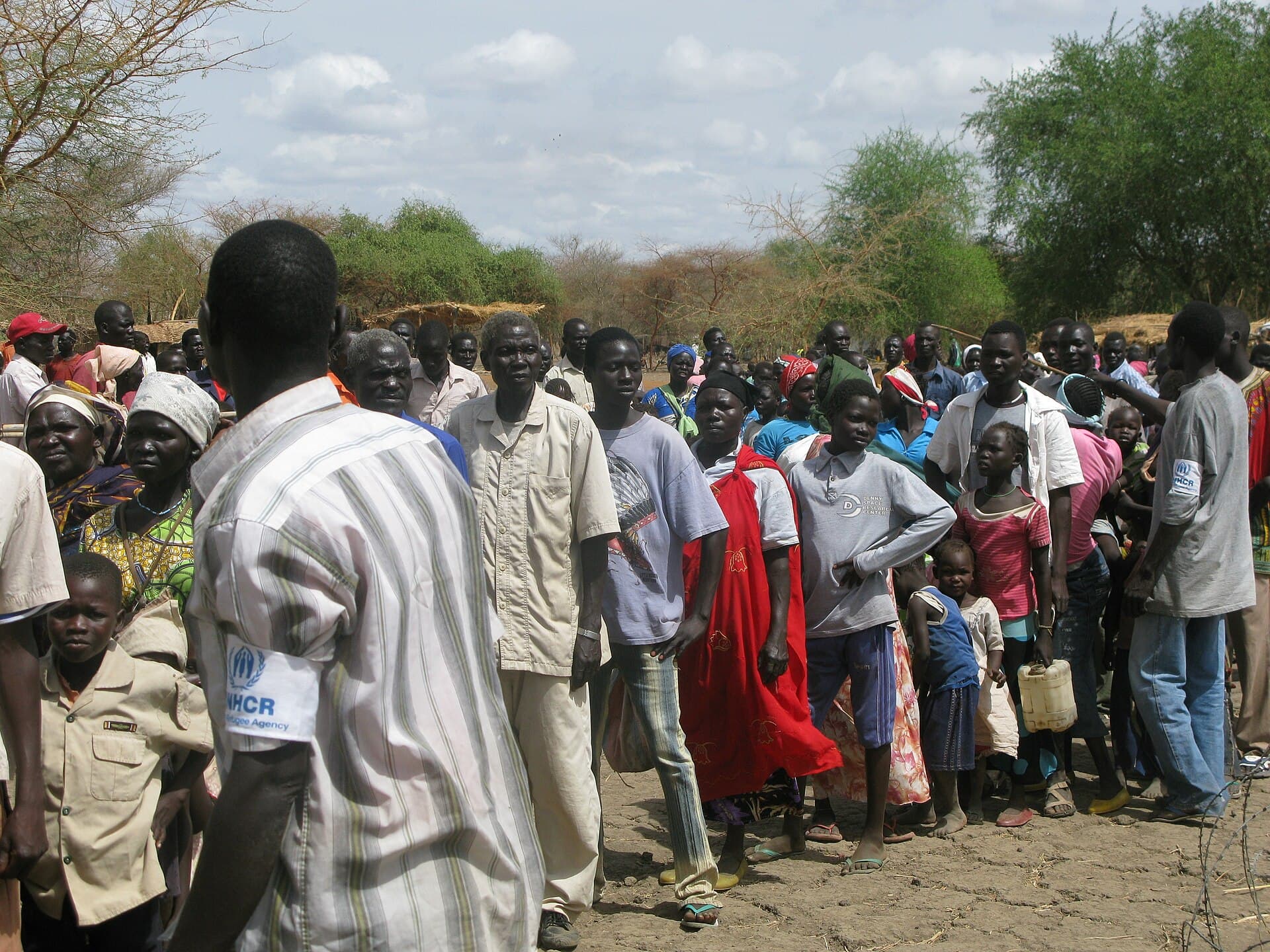
Filippo Grandi, the UN high commissioner for refugees, said the search for peace had to be at the heart of any lasting solution. He described the displacement picture as “untenably high,” even as the agency pointed to a few bright spots, including 188,800 refugees permanently resettled in 2024, the highest number in 40 years, and 9.8 million people returning home that same year. The political strain remains acute because 73 percent of refugees are hosted in low- and middle-income countries, while richer states face mounting pressure to expand aid, resettlement and support for returns that are safe, voluntary and sustainable.
This article was produced by Prism’s automated news system from verified source data, official records, and press releases, then run through automated quality and moderation checks before publishing. The system is built and supervised by the people who set the standards it runs under. Read our full AI policy.
Know something we missed? Have a correction or additional information?
Submit a Tip