U.S. rejects Iran's Strait of Hormuz closure claim as India protests strike deaths
A claimed Hormuz shutdown and a U.S. strike that killed three Indian seafarers rattled oil markets, insurers and regional allies.
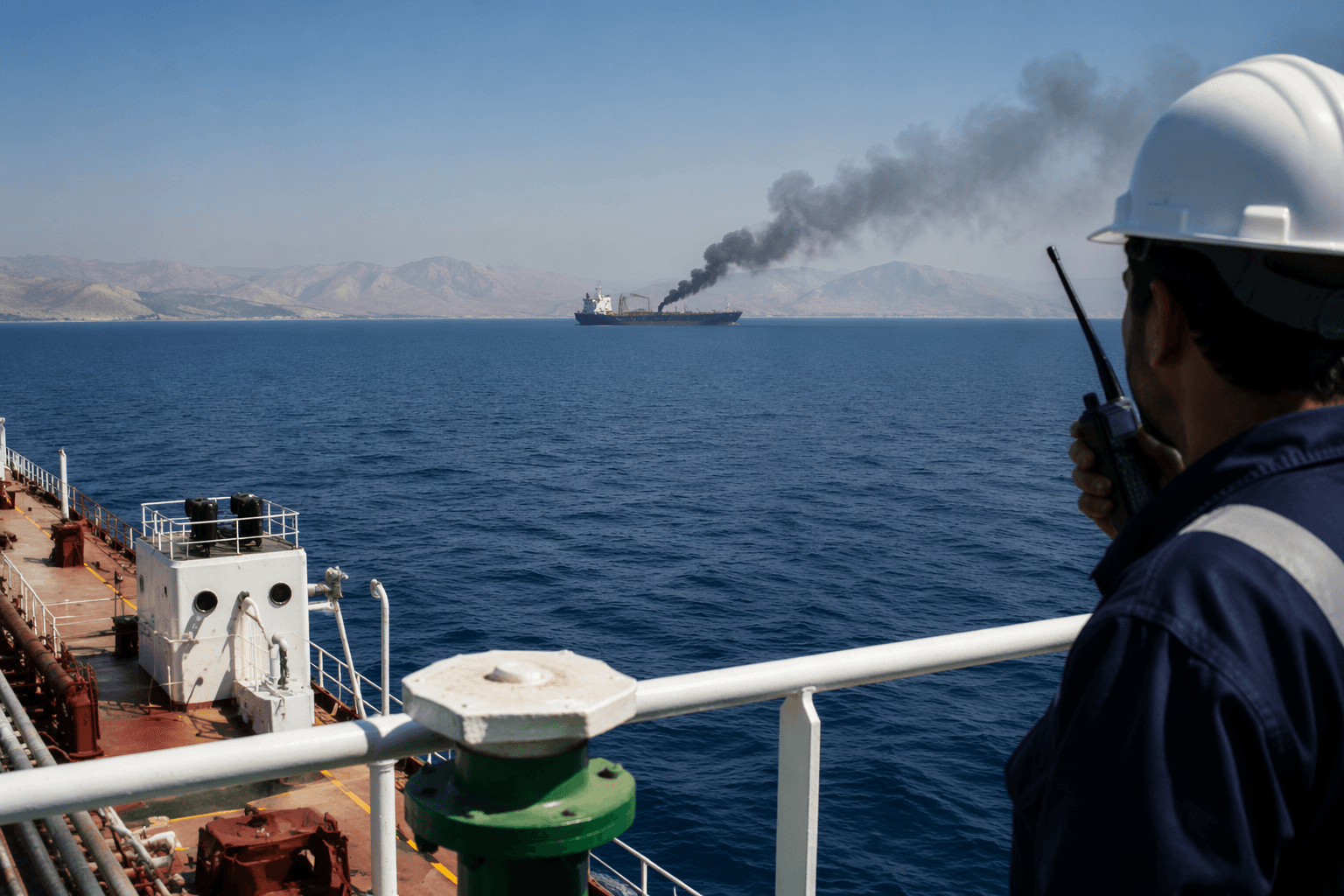
A claimed shutdown of the Strait of Hormuz sent a fresh jolt through the world’s most sensitive energy corridor as Washington rejected Tehran’s assertion and said ships were still moving through the waterway. The dispute landed at the same moment India protested the killing of three of its seafarers in a U.S. strike on an Iran-linked tanker, turning a maritime flare-up into a wider diplomatic and economic test.
Iran’s top joint military command announced the closure of the strait on June 11, 2026, warning that any vessel attempting passage would be shot at. The claim mattered immediately because a true closure of Hormuz would not be a paper declaration, it would have to show up in the water: tankers turning back, transits stopping, and insurers, shipping firms and allied navies treating the lane as unusable. In the short term, the verification standard is blunt, whether ships are still crossing and whether maritime authorities, trackers and the International Maritime Organization can confirm sustained disruption.
The stakes are enormous. The Strait of Hormuz is one of the world’s most important oil transit routes, carrying roughly a fifth of global oil consumption according to industry trackers. Any real closure would hit energy markets first, then freight rates and marine insurance costs, while forcing U.S. allies and commercial operators to rethink routing in real time. Reuters had already reported earlier in the month that vessels were stuck inside Hormuz, and maritime trackers said traffic had been sharply reduced or halted as operators rerouted or waited for safety assurances.
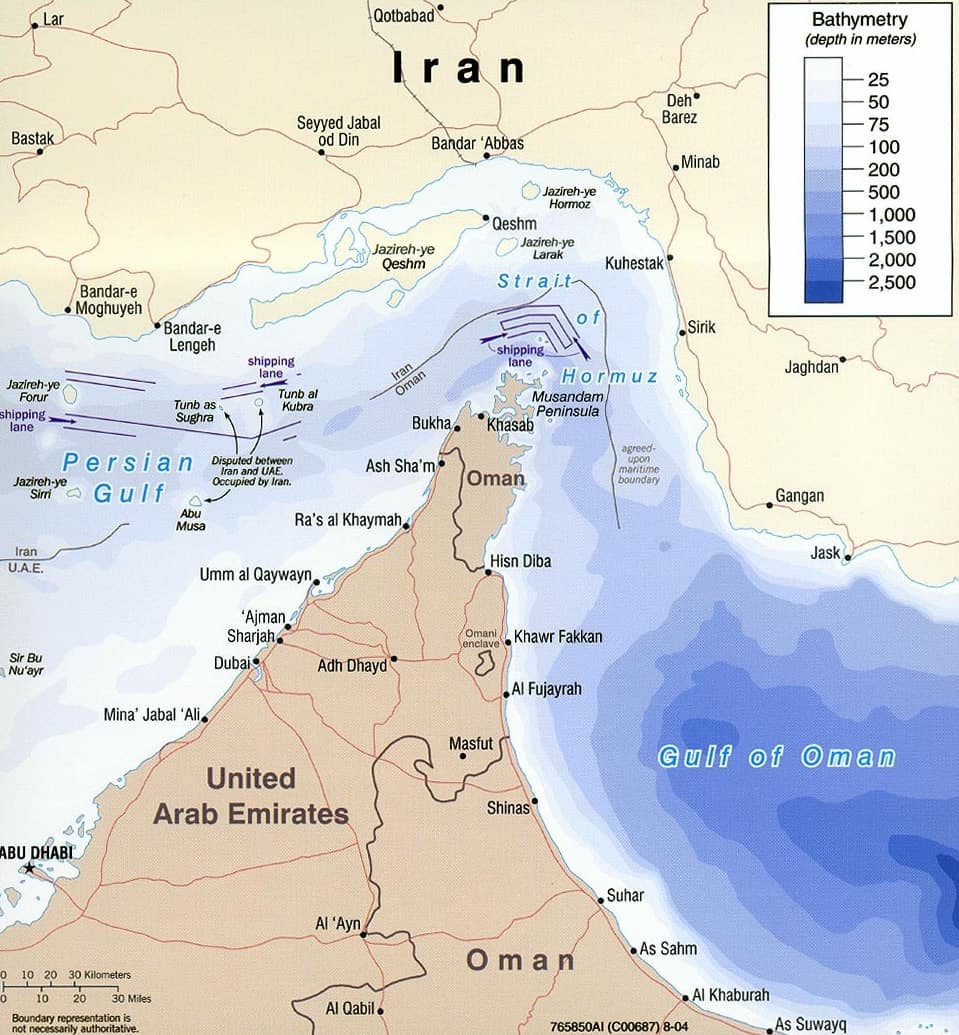
At the same time, India lodged a strong protest after a U.S. military strike on an Iran-linked tanker killed three Indian crew members in the Gulf of Oman, off Oman. Reuters and Indian outlets reported that the tanker carried 24 Indian crew members; Indian authorities said two bodies were recovered and one crew member was initially missing in some reports. The deaths were the first reported fatalities among Indian mariners in the current maritime campaign, intensifying pressure on Washington as New Delhi summoned a senior U.S. diplomat and demanded the full facts.
India’s external affairs ministry said the continuing attacks on shipping in the region were deeply worrisome, underscoring how quickly the fog of war around Hormuz can spill into diplomacy, military posture and global markets. Even an unconfirmed disruption in the strait was enough to move the risk calculations that govern oil, warships and commercial shipping across the Persian Gulf.
This article was produced by Prism’s automated news system from verified source data, official records, and press releases, then run through automated quality and moderation checks before publishing. The system is built and supervised by the people who set the standards it runs under. Read our full AI policy.
Know something we missed? Have a correction or additional information?
Submit a Tip