Five Mexican police officers killed in Michoacan cartel attack
Five police officers were killed and five more wounded in Michoacan as Mexico insisted World Cup fans would face no security threat.
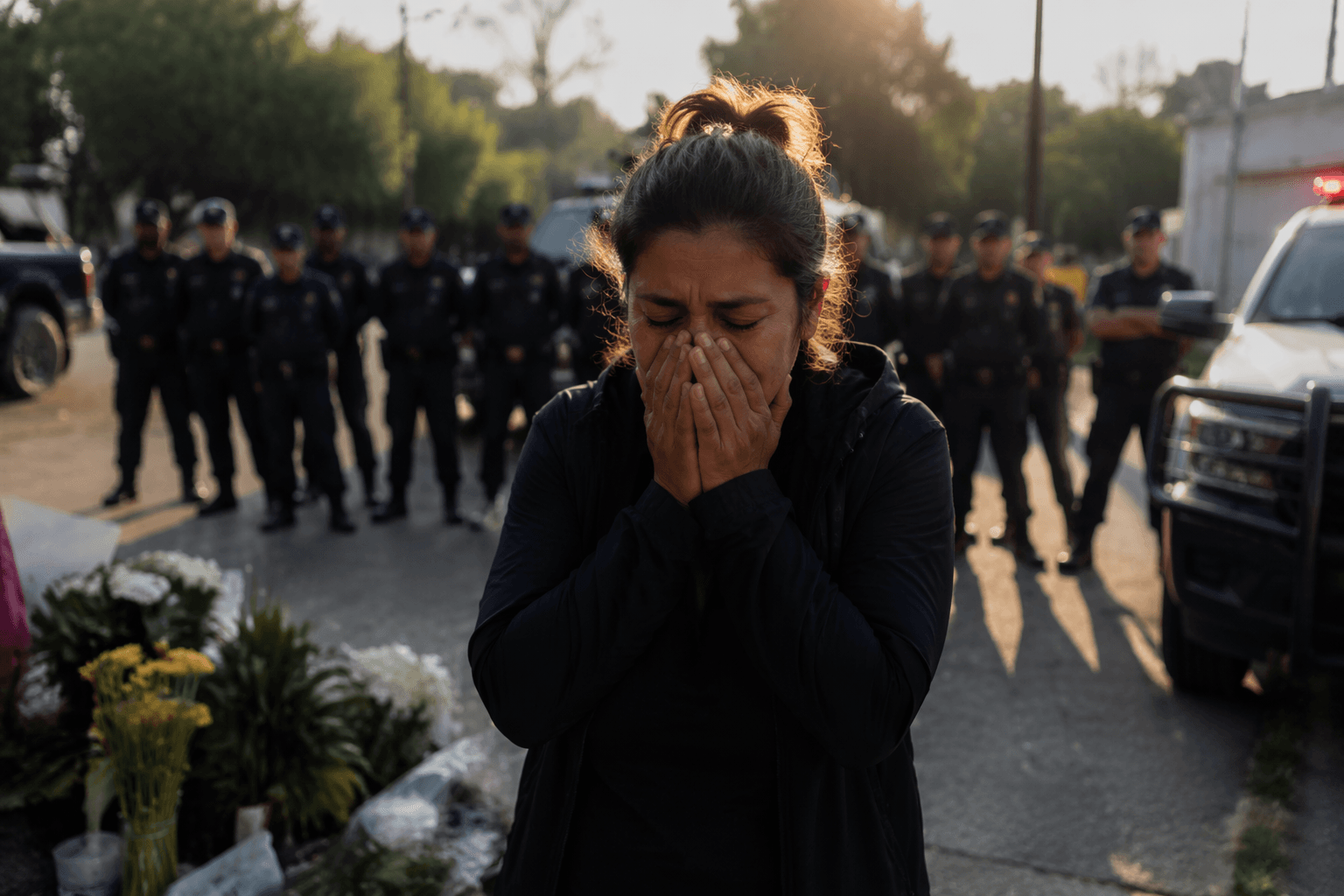
Five Mexican police officers were killed and five others wounded in a gun attack in Michoacan state, just as Mexico prepared to help open the 2026 FIFA World Cup in Mexico City. The officers were traveling in a pickup truck that was later shown riddled with bullet holes, a stark image of the violence that continues to shadow one of the tournament’s host countries.
The attack took place on Wednesday in Nahuatzen, an Indigenous municipality in western Michoacan where authorities said the Jalisco New Generation Cartel, known as CJNG, operates. State officials said unknown assailants carried out the assault, and the Michoacán Secretariat of Public Security said operations were underway to find and arrest the attackers. Police in the state capital, Morelia, identified the slain officers as Porfirio Rodriguez Briseno, Brandon Josue Zamora Torres, Francisco Javier Otero Damas, Jonatan Mondragon Servin and Mateo Valdez Abarca.
The killings landed at a sensitive moment for Mexico, which is co-hosting the 2026 tournament with Canada and the United States and is trying to reassure visitors that the World Cup will be safe. Authorities have insisted there is no security threat to visiting fans, but the attack in Michoacan highlighted how quickly violence can break through official messaging. Morelia lies about 300 kilometers from both Mexico City and Guadalajara, the other Mexican host city, underscoring how the violence is not confined to a remote corner of the country.
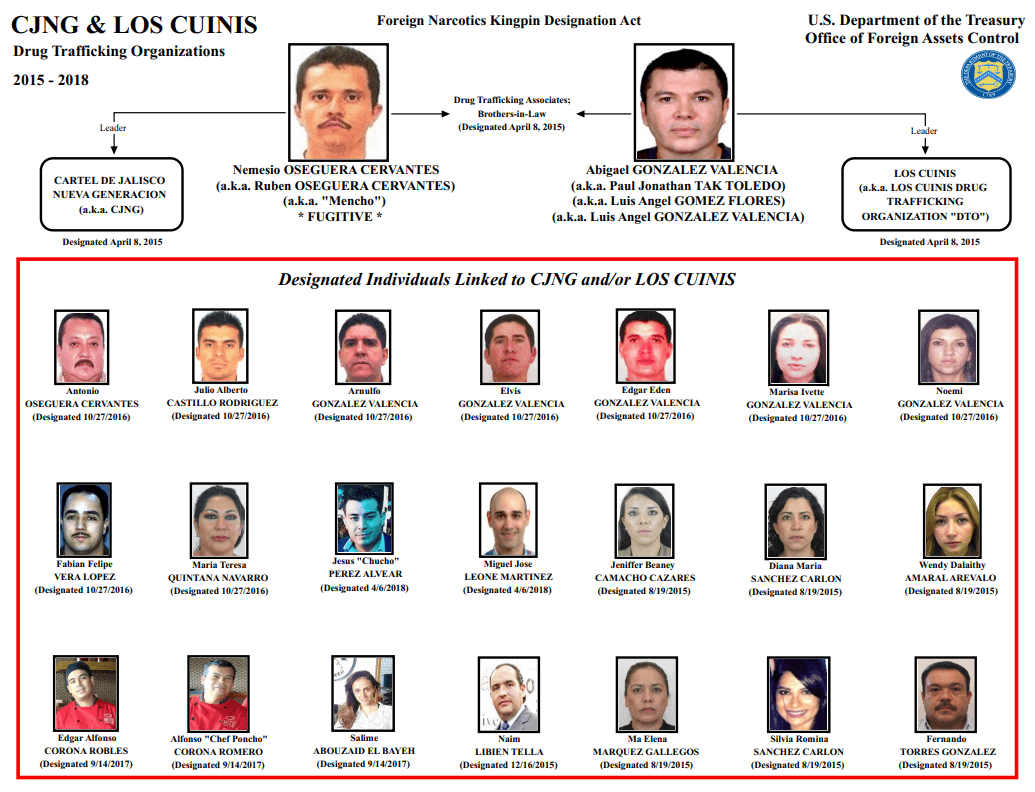
Michoacan has long been one of Mexico’s most volatile states, where the CJNG and other armed groups have driven repeated attacks, extortion and public protest. In May, the killing of a small-city mayor, allegedly linked to the CJNG, sparked angry demonstrations over the state’s inability to curb violence. The latest deaths add to the pressure on local and federal authorities to show they can protect not only residents and police, but also the tourists and athletes arriving for a global event that is meant to project confidence, not insecurity.
This article was produced by Prism’s automated news system from verified source data, official records, and press releases, then run through automated quality and moderation checks before publishing. The system is built and supervised by the people who set the standards it runs under. Read our full AI policy.
Know something we missed? Have a correction or additional information?
Submit a Tip