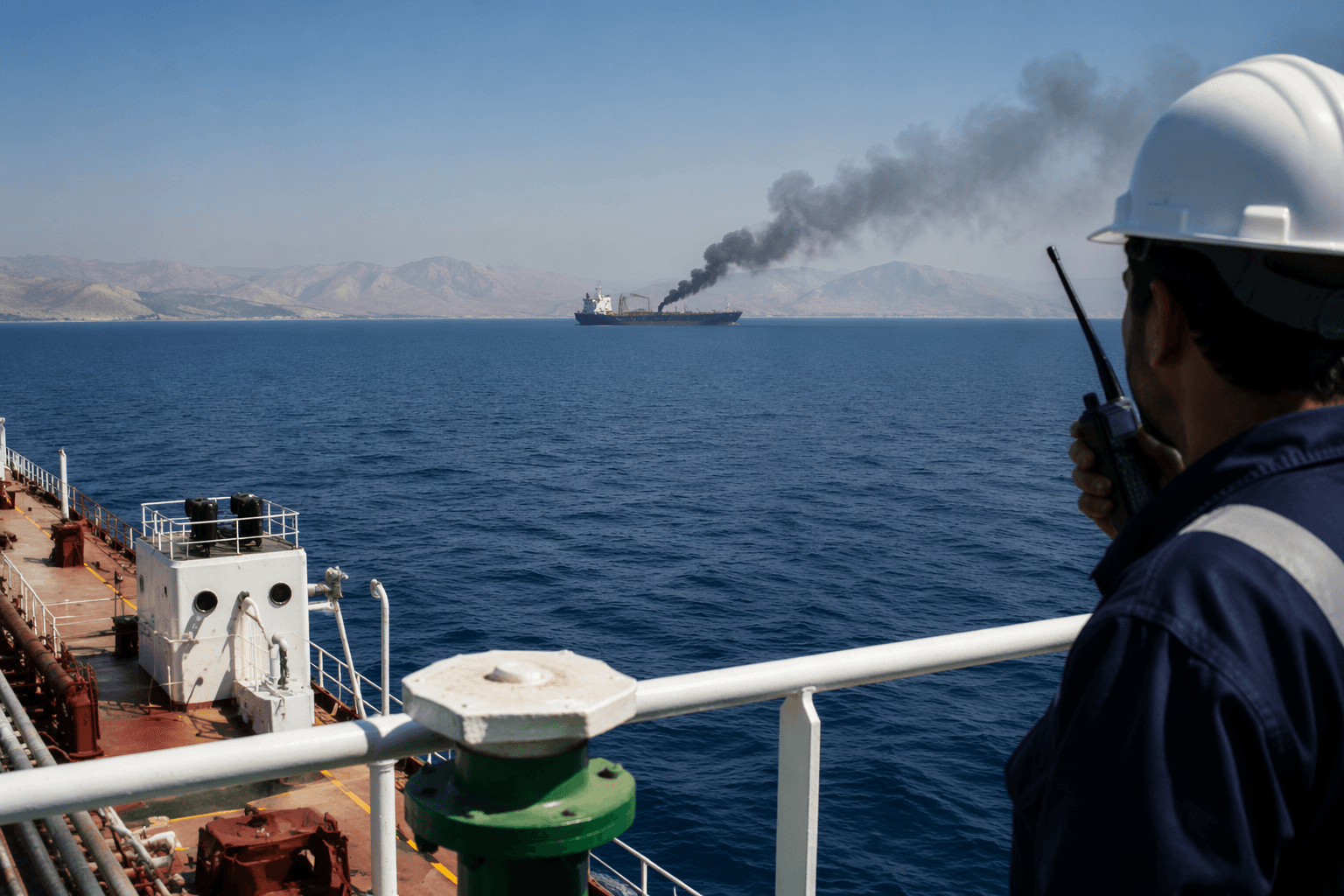
France, Germany and Britain send ambassadors to Moscow mystery meeting
France, Germany and Britain's ambassadors were quietly summoned to Moscow as the E3 sharpened pressure on Russia over Ukraine, sanctions and frozen assets.
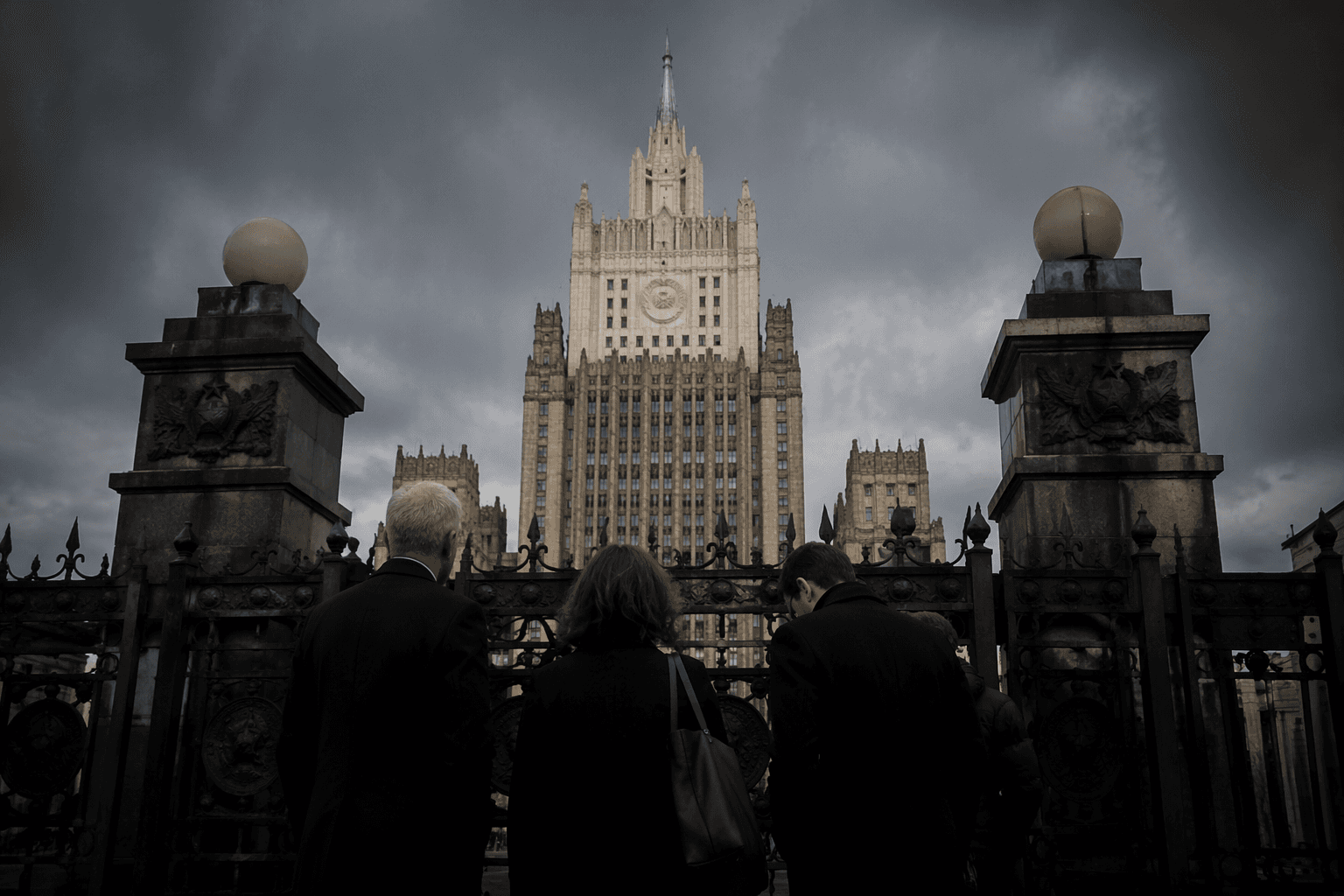
Russia’s Foreign Ministry received the ambassadors of France, Germany and Britain in central Moscow on Thursday, but gave no reason for calling them in or any agenda for the meeting. The three envoys, Nicolas de Rivière, Alexander Graf Lambsdorff and Nigel Casey, were shown entering the ministry in video released by the Russian side, a rare scene that immediately raised questions about what Moscow wanted to signal.
The timing made the encounter look deliberate. The three ambassadors represent the E3, the informal security grouping that has emerged as one of Ukraine’s most important European backers, and they arrived just days after their leaders met Volodymyr Zelenskiy in London and set out a hard line on Russia’s war. In that June 7 statement, Keir Starmer, Emmanuel Macron and Friedrich Merz called for an immediate and complete ceasefire, said the current line of contact should be the starting point for negotiations, and insisted that Ukraine must receive robust and legally binding security guarantees, including a multinational force.
The London declaration also kept the pressure on Moscow’s finances. It said frozen Russian assets would remain immobilized until Russia compensated Ukraine for wartime damage, and it made clear that Europe’s security interests had to be safeguarded, with any EU or NATO-related elements requiring consent from the relevant members. The leaders said they would coordinate further support through the G7 summit at Evian, the next Coalition of the Willing meeting and the NATO summit at Ankara.
That broader message was reinforced by the language used on Russian attacks. The E3 leaders condemned Russia’s missile and drone strikes on Ukrainian cities and Russian drone incursions into NATO territory, linking the war directly to European security. A German government statement went further, saying the value of immobilized Russian sovereign assets could be used in a coordinated way to support Ukraine’s armed forces, underscoring that sanctions pressure remains part of the diplomatic toolbox, not just a warning on paper.
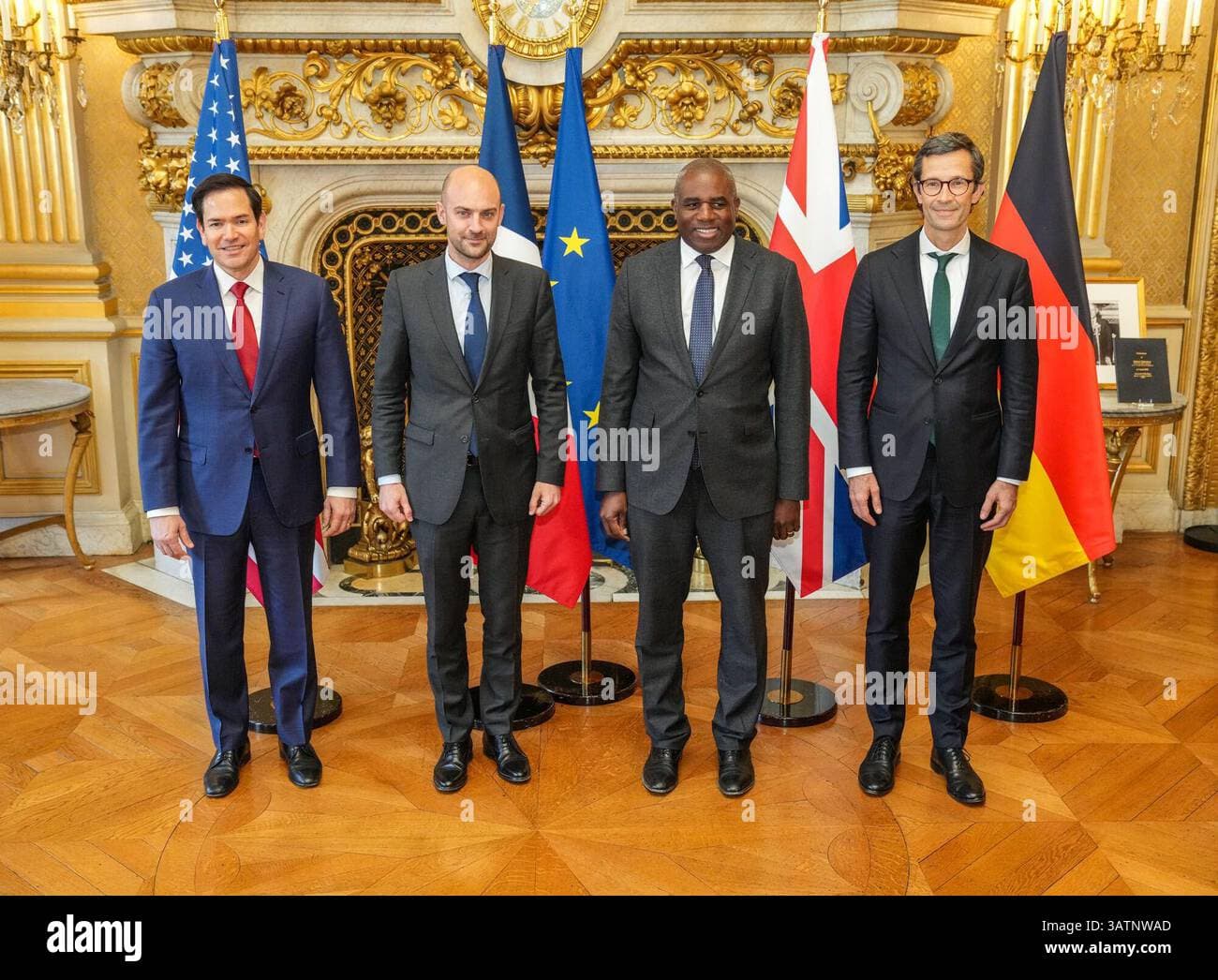
The Moscow meeting therefore read less like routine protocol than a test of intent. President Vladimir Putin has kept a hard line publicly, but on June 4 he said Donald Trump’s proposals could form the basis of a peace agreement and claimed Russia had taken control of more than 85% of Donetsk and 80% of Zaporizhzhia. Against that backdrop, the quiet summoning of the E3 ambassadors may have been Moscow’s way of probing whether Europe is prepared to negotiate, hold firm, or increase the cost of continued war.
This article was produced by Prism’s automated news system from verified source data, official records, and press releases, then run through automated quality and moderation checks before publishing. The system is built and supervised by the people who set the standards it runs under. Read our full AI policy.
Know something we missed? Have a correction or additional information?
Submit a Tip