Ukraine strikes Russian energy infrastructure, employing Storm Shadow missiles and drones
Ukrainian military and security officials said coordinated strikes on multiple Russian oil and gas facilities used British supplied Storm Shadow cruise missiles alongside domestically produced long range drones, aiming to degrade Moscow’s fuel and logistics base. The attacks, reported across southern and western Russian regions, could complicate supply lines for Russian forces and add a risk premium to regional energy markets.
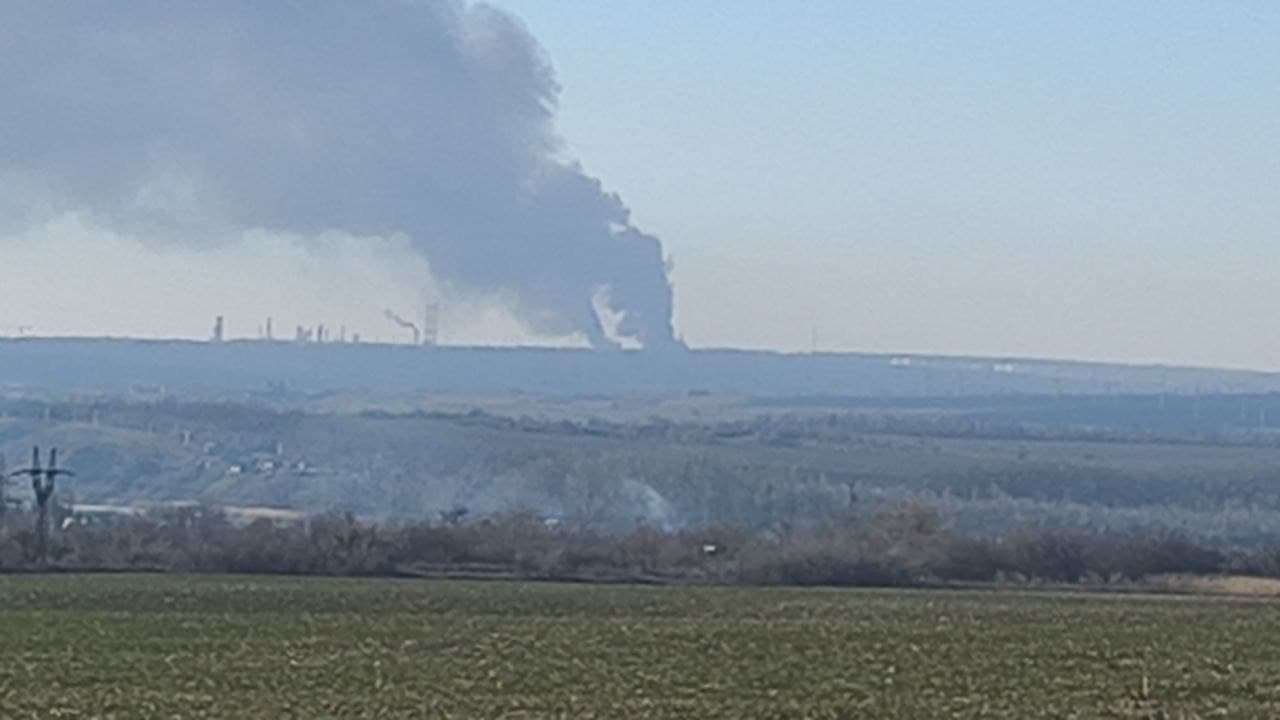
Ukrainian military and security officials said their forces carried out coordinated strikes on Russian energy infrastructure on December 25, employing British supplied Storm Shadow cruise missiles together with domestically produced long range drones. The operations targeted oil refining, storage and gas processing sites across southern and western Russia, a campaign Kyiv framed as an effort to weaken Moscow’s capacity to sustain its military operations.
One of the principal strikes struck the Novoshakhtinsk oil refinery in the Rostov region. The Ukrainian General Staff described the refinery as "one of the largest oil products suppliers in southern Russia" and said it was involved in supplying Russian troops. Multiple reports and social media footage showed explosions and large plumes of smoke above the complex. A single outlet circulated an account alleging at least six explosions, a figure not independently corroborated by other sources.
In the Krasnodar region, long range drones reportedly hit fuel storage facilities at the seaport of Temryuk, where local authorities said two oil storage tanks were ablaze and that the fire had spread across roughly 2,000 square metres. Officials in other regions, including Orenburg and Bryansk, reported separate incidents. Ukrainian security officials said drones struck a gas processing plant in Orenburg and that imagery from Bryansk showed oil reservoirs burning after a drone reached the city of Klintsy.
Russian regional authorities reported that air defenses engaged and that some unmanned aerial vehicles were downed, and several regions reported intercepting dozens of drones during the day. Independent, on the ground verification of the full extent of damage across all reported sites remains limited in open source reporting.
An official from Ukraine’s Security Service said the strikes form part of a systematic campaign against Russia’s oil and gas sector designed to hit the Russian budget, reduce foreign currency revenues and complicate logistics and fuel supplies for Russian armed forces. The operation highlights Kyiv’s combined use of Western supplied long range cruise missiles and indigenous strike drones to reach infrastructure deep inside Russian territory.
The immediate market implications are likely to be uneven but potentially meaningful. Damage to refineries and export oriented storage facilities could tighten regional refined product supplies and raise domestic retail and wholesale fuel prices in affected Russian districts. If attacks on export terminals or pipeline-linked processing escalate and are sustained, they could add a risk premium to global refined fuel markets, particularly for diesel in European markets that rely on Russian product flows. Financial market reaction on Thursday was modest as reports were partial and verification was incomplete, but energy traders typically price in elevated geopolitical risk when key processing hubs are threatened.
Policy makers in Kyiv framed the strikes as military necessity. For governments supplying long range munitions, the operations will sharpen debates over how far Western weapons should be used to strike energy infrastructure inside Russia and the risks of escalation. For now, the strikes demonstrate Kyiv’s growing operational reach and underscore the fragility of energy infrastructure in a conflict that increasingly targets logistics as well as frontline combatants.
This article was produced by Prism’s automated news system from verified source data, official records, and press releases, then run through automated quality and moderation checks before publishing. The system is built and supervised by the people who set the standards it runs under. Read our full AI policy.
Did this article answer your question?


