Ukraine turns to defense startups for sea drones and robotic trucks
Sea drones and robotic trucks are moving from prototypes to deployment as Ukraine turns combat necessity into a fast-moving defense startup ecosystem.

Ukraine’s war has become a startup lab, with sea drones, robotic trucks and other autonomous systems moving from demonstration to operational planning as battlefield necessity reshapes how weapons are built, tested and bought. At the center is Charles Maher, a former U.S. submarine commander whose company, BlueShadow, is helping design a protective barrier of autonomous naval vessels off Ukraine’s coast, including near Odesa, where Russian drone strikes have repeatedly tested the city’s defenses.
Maher’s concept would deploy four squadrons of 12 vessels each, operating 10 to 12 kilometers offshore. The first squadron, armed with missiles and interceptor drones, could be ready by early 2027. The aim is not only to spot threats earlier across the Black Sea but to create a moving defensive layer that can make it harder for Russian drones to reach the port city.
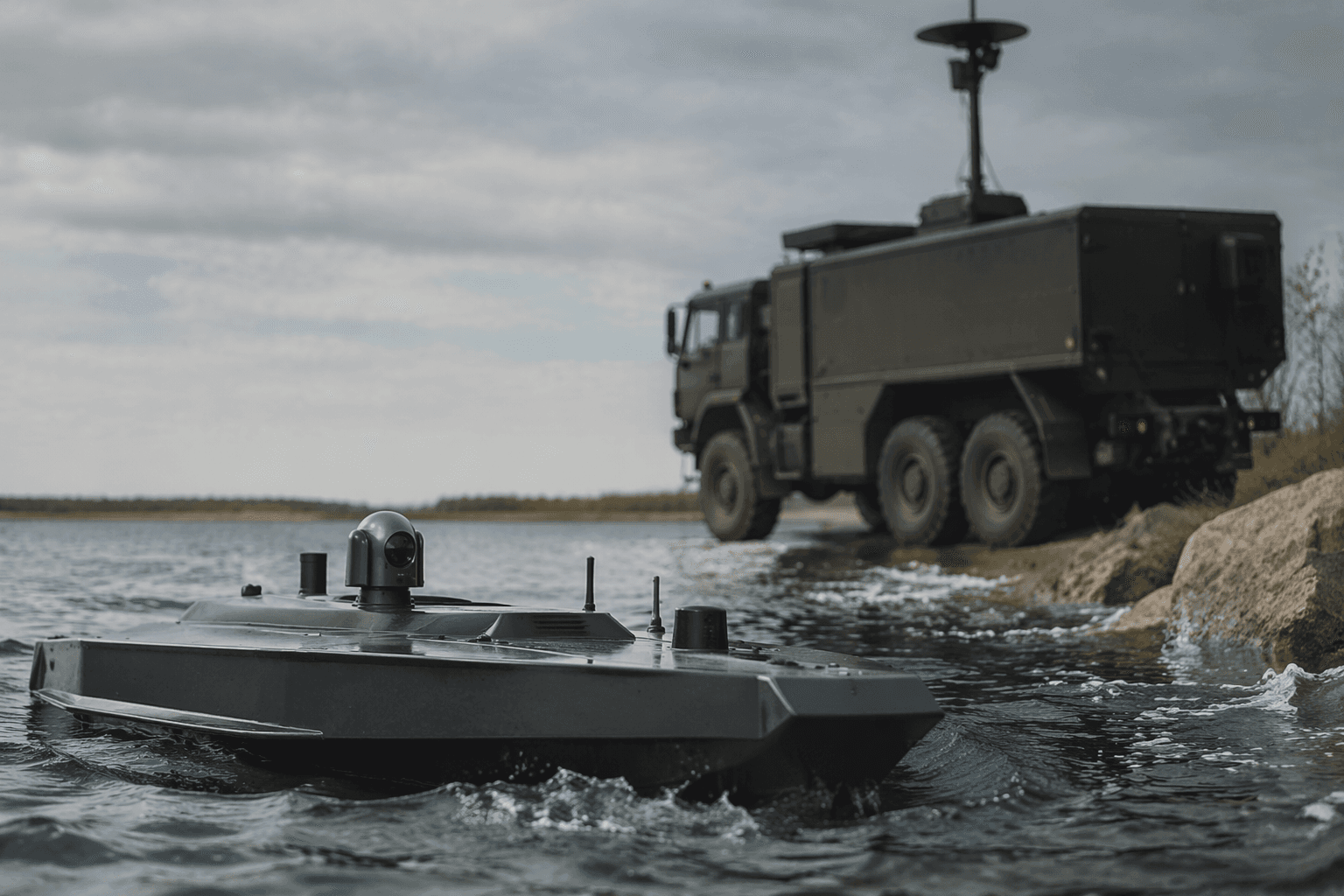
BlueShadow was one of eight startups that demonstrated new systems to military units over the weekend, a sign of how quickly Ukraine’s defense sector has hardened into a working ecosystem. Defence Builder, a private-sector accelerator, sits inside that shift. It gives startups $10,000 in seed funding, a four-month training program, and access to military feedback and connections in exchange for a small equity stake. Its next cohort, Batch 4.0, is planned for launch in the third or fourth quarter of 2026, and the program says it is meant to push companies from TRL 3 to 4 up to TRL 6 to 7 through live testing with active military units.
The same logic is driving land warfare. Ukraine’s Defense Ministry said on May 6, 2026, that units in the Drone Line initiative had ordered equipment worth UAH 184.8 million in less than two weeks through DOT-Chain Defence, with initial deliveries worth UAH 40.8 million. The Drone Line, under the Unmanned Systems Forces of the Armed Forces of Ukraine, is designed to establish a kill zone 10 to 15 kilometers deep and includes elite formations such as the 414th Magyar Birds and the 412th NEMESIS. Through Brave1 Market and DOT-Chain, brigades can order directly from manufacturers, speeding procurement in a war where thousands of drones have made many front-line areas too dangerous for conventional movement.
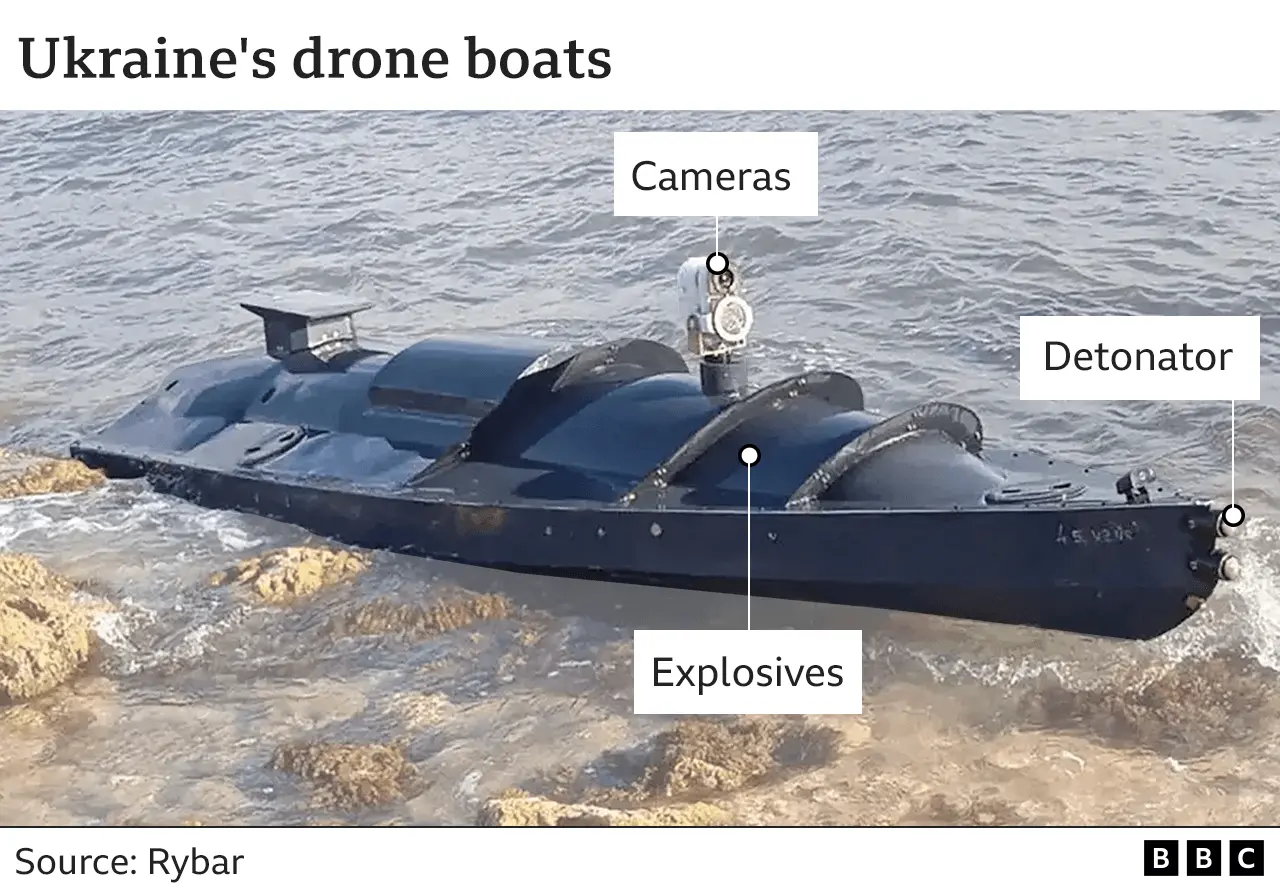
Brave1 describes itself as a state-backed platform linking the military and defense-tech makers, and says units have ordered 240,000 drones through Brave1 Market using combat points. The marketplace launched on April 28, 2025, and now includes drones, unmanned ground vehicles, electronic warfare tools, AI systems and ammunition. The broader result is a wartime procurement model that is becoming institutionalized, not improvised. By August 2025, Ukraine’s government was buying about $10 billion in weapons annually from domestic manufacturers, while industry officials said capacity could reach roughly three times that amount. That mix of battlefield urgency, state support and private capital is creating a defense industry blueprint that Western militaries are likely to study closely.
This article was produced by Prism’s automated news system from verified source data, official records, and press releases, then run through automated quality and moderation checks before publishing. The system is built and supervised by the people who set the standards it runs under. Read our full AI policy.
Know something we missed? Have a correction or additional information?
Submit a Tip