Ukraine weighs ban on foreign surrogacy during martial law
Ukraine may shut foreign couples out of commercial surrogacy until martial law ends, then keep the door closed for three more years, reshaping a wartime fertility industry.
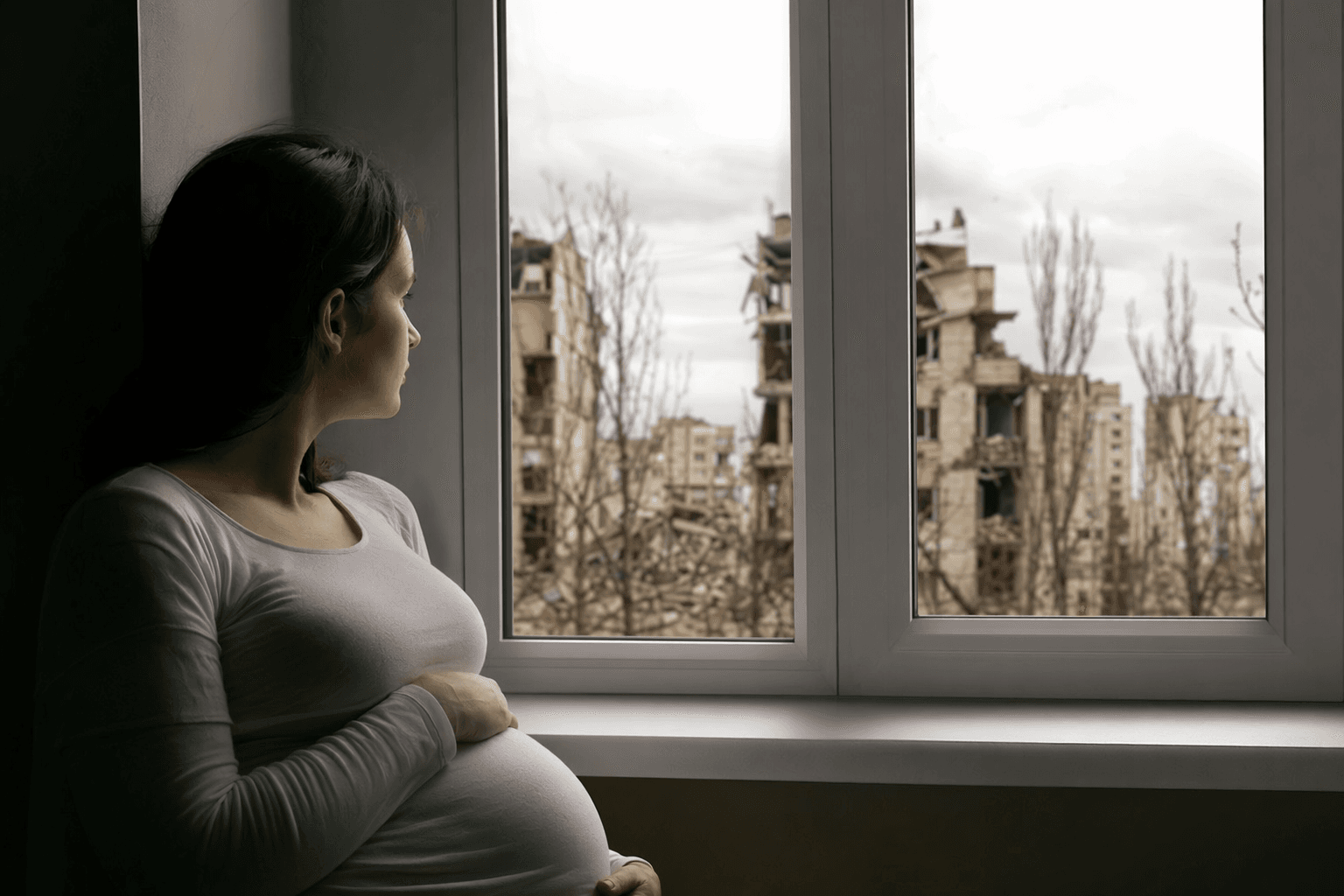
Ukraine’s parliament is weighing a move that would block foreigners from using surrogacy in the country during martial law and for three years after it ends, a step that could hit clinics, intended parents and Ukrainian women who have made the industry part of their wartime income. Draft law No. 6475-d, registered in the Verkhovna Rada on April 11, 2023, would also create a register of intended parents from abroad and bar agencies and brokers from arranging international surrogacy. The Committee on Health, Medical Care and Health Insurance of the Verkhovna Rada of Ukraine recommended the bill for first reading with revisions.
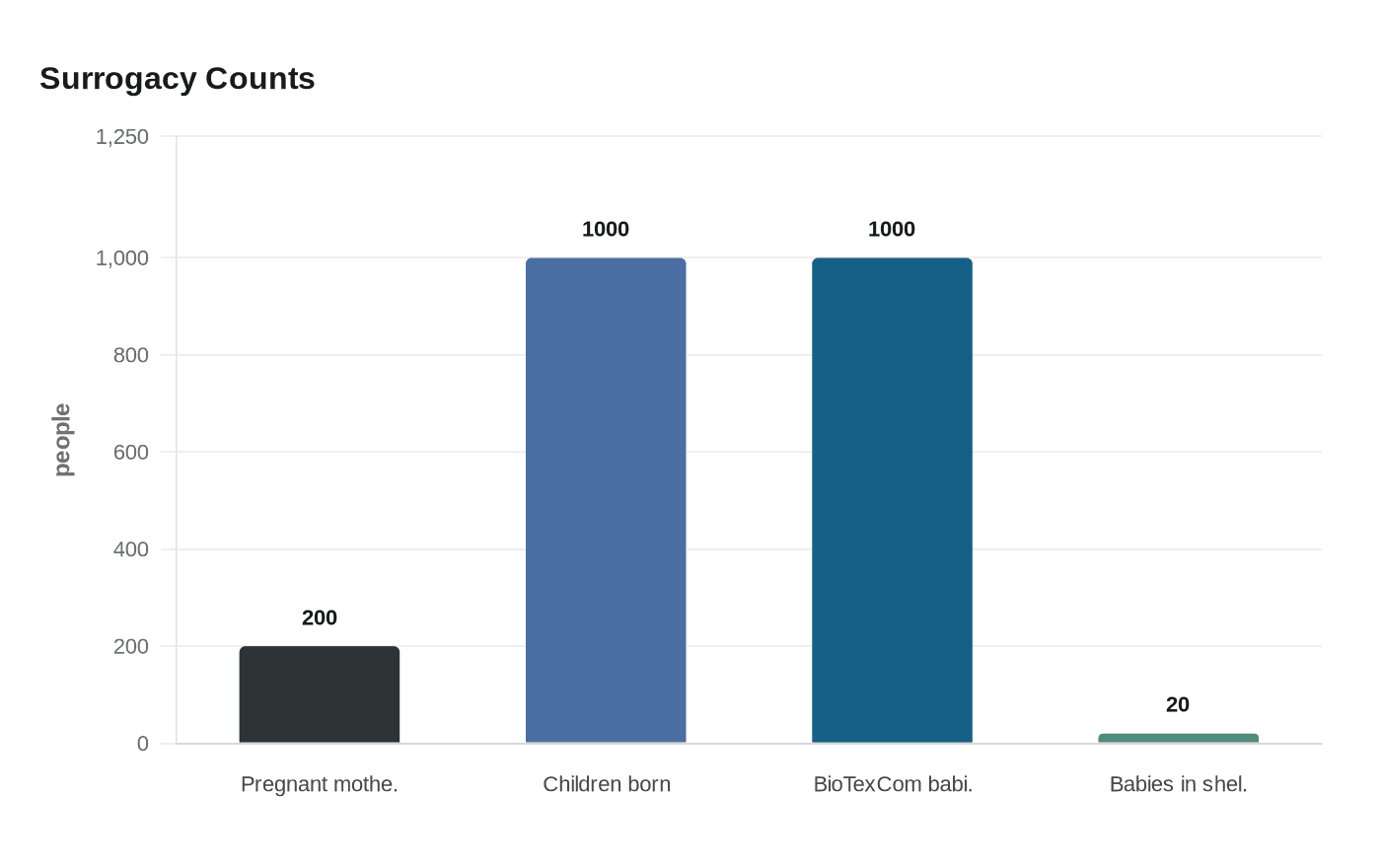
The proposal lands in a country that became one of the world’s key surrogacy hubs before Russia’s full-scale invasion in February 2022. Ukraine’s market was described as accounting for up to a quarter of the global $14 billion surrogacy business, second only to the United States. One report put typical compensation for Ukrainian surrogate mothers at about $25,000, compared with an average annual wage of roughly $6,400, a gap that helps explain why the industry drew women from economically strained communities. Even under conservative estimates, more than 1,000 children were born through surrogacy in Ukraine in the first 18 months of the war.

The war did not erase demand. On the day Russia invaded, about 200 surrogate mothers with BioTexCom were pregnant, according to the company’s legal adviser, and agencies rushed to move women to safer parts of the country while clinics tried to protect embryos belonging to foreign clients. By June 2024, Voice of America reported that business was pretty much back to normal, and reporting in 2024 said couples from Pakistan, China, Australia, Spain and Italy were still coming to Ukraine. More than 1,000 babies were said to have been born through BioTexCom alone since the invasion.
The legal stakes are unusually high because Ukraine still allows surrogacy only for officially married heterosexual couples with medical reasons for infertility, and it recognizes the intended parents as the legal parents from birth without a court adoption process. Same-sex couples and single people cannot access surrogacy under current rules. Critics in Ukraine argue the system is too permissive and can exploit vulnerable women, especially when agency-rented apartments are used near the end of pregnancy. Supporters and agencies counter that the market offers one of the few lawful, comparatively affordable routes to parenthood for foreign couples, at a time when other countries have tightened restrictions.
That international squeeze is already visible. In late 2024, Italy introduced a law banning couples from having a baby abroad, with possible criminal proceedings and fines, a sign of how foreign demand for Ukrainian surrogacy is being reshaped by politics far beyond Kyiv. Inside Ukraine, the human consequences are harder to dismiss: during the war, at least 20 surrogate-born babies were reported waiting in a Kyiv basement shelter for foreign parents to collect them. If lawmakers close the foreign market now, the debate will not only decide the future of a lucrative industry. It will also test how Ukraine defines sovereignty, exploitation and parental rights in wartime.
This article was produced by Prism’s automated news system from verified source data, official records, and press releases, then run through automated quality and moderation checks before publishing. The system is built and supervised by the people who set the standards it runs under. Read our full AI policy.
Did this article answer your question?