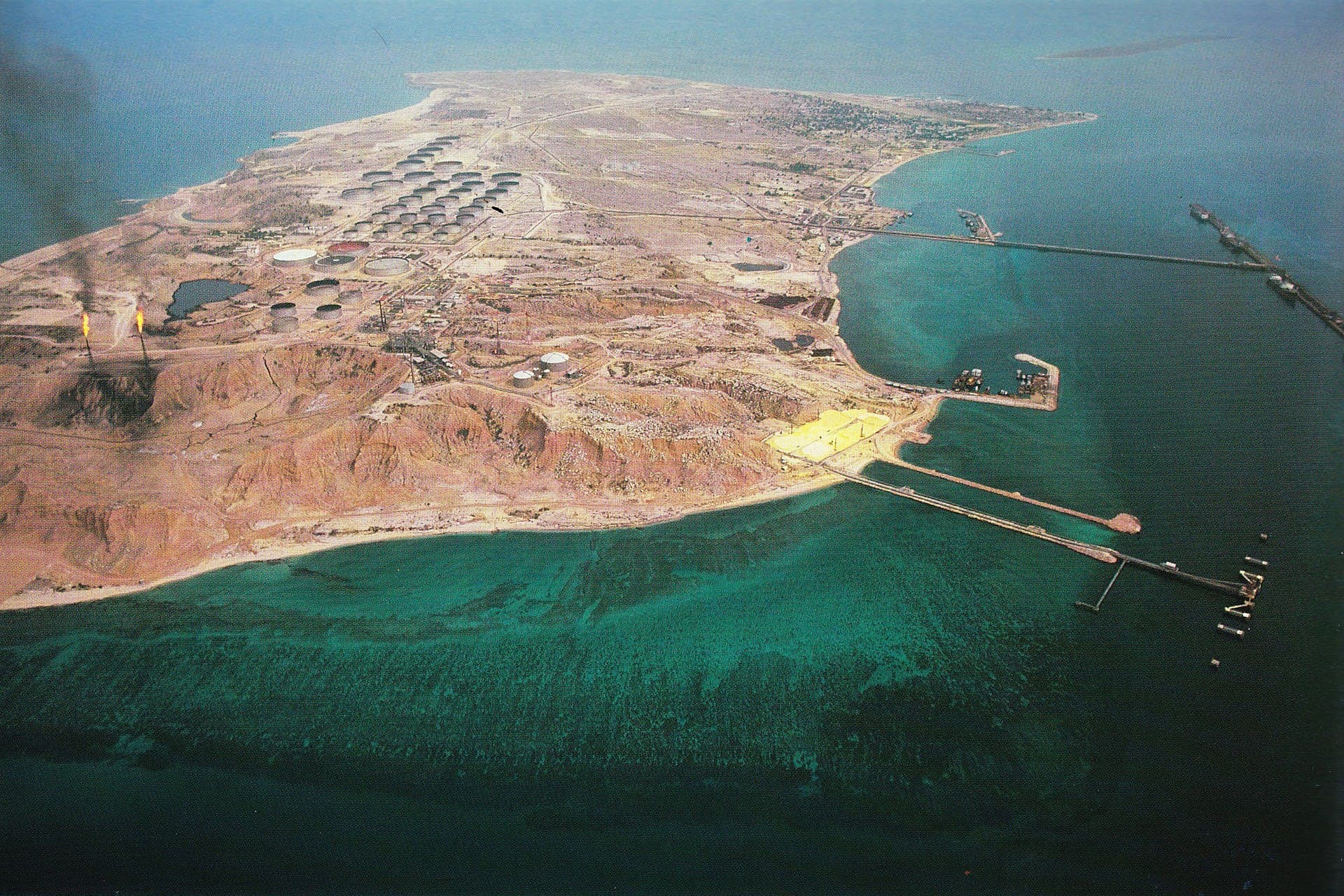
Ukrainian drone strike shuts Rosneft refinery in Russia's Samara region
Two primary units at Rosneft’s Kuibyshev refinery were knocked out, cutting about 146,000 barrels a day from a key Volga fuel hub. The plant sits 800 kilometers from the border.
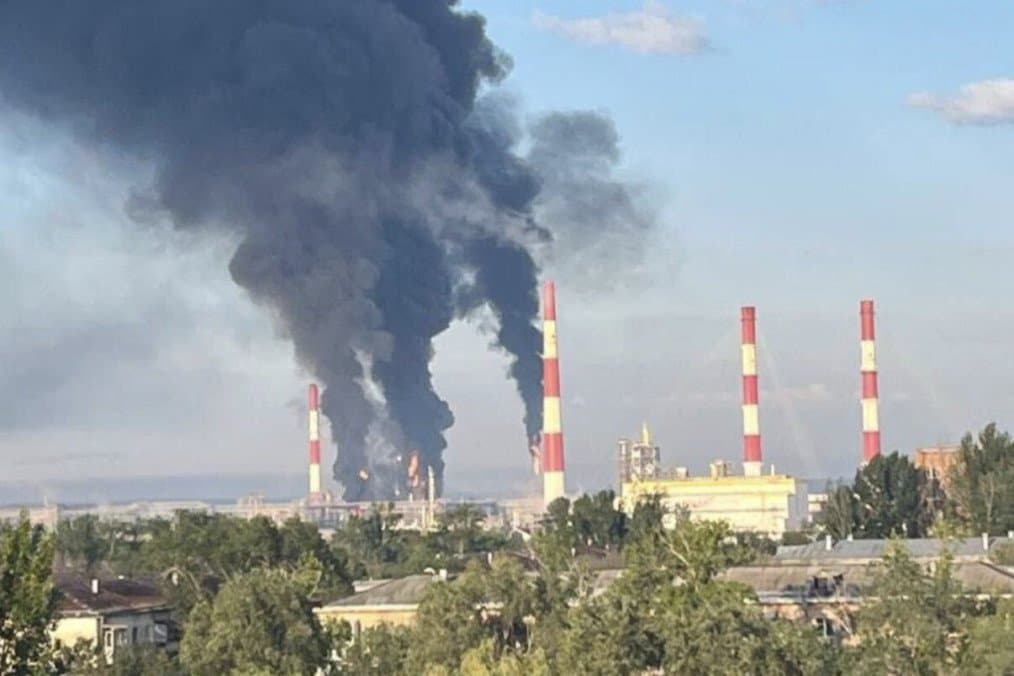
A Ukrainian drone strike shut Rosneft’s Kuibyshev oil refinery in Samara after fires hit both of its main crude distillation units, dealing a fresh blow to one of Russia’s most important fuel-processing hubs in the Volga region. The plant’s CDU-4 and CDU-5 units each handled about 10,000 metric tons, or roughly 73,000 barrels, of crude a day, meaning the shutdown removed about 20,000 metric tons, or 146,000 barrels, of daily refining capacity from the network.
The refinery was hit deep inside Russia, about 800 kilometers from the Ukraine-Russia border, underscoring how far Ukrainian drones have reached into the country’s energy system. Photos and videos posted by the Astra Telegram channel showed a fire at the Kuibyshev site, while regional officials said the Samara region suffered damage to several industrial facilities. Three people were injured, and Governor Vyacheslav Fedorishchev did not name the damaged plants.
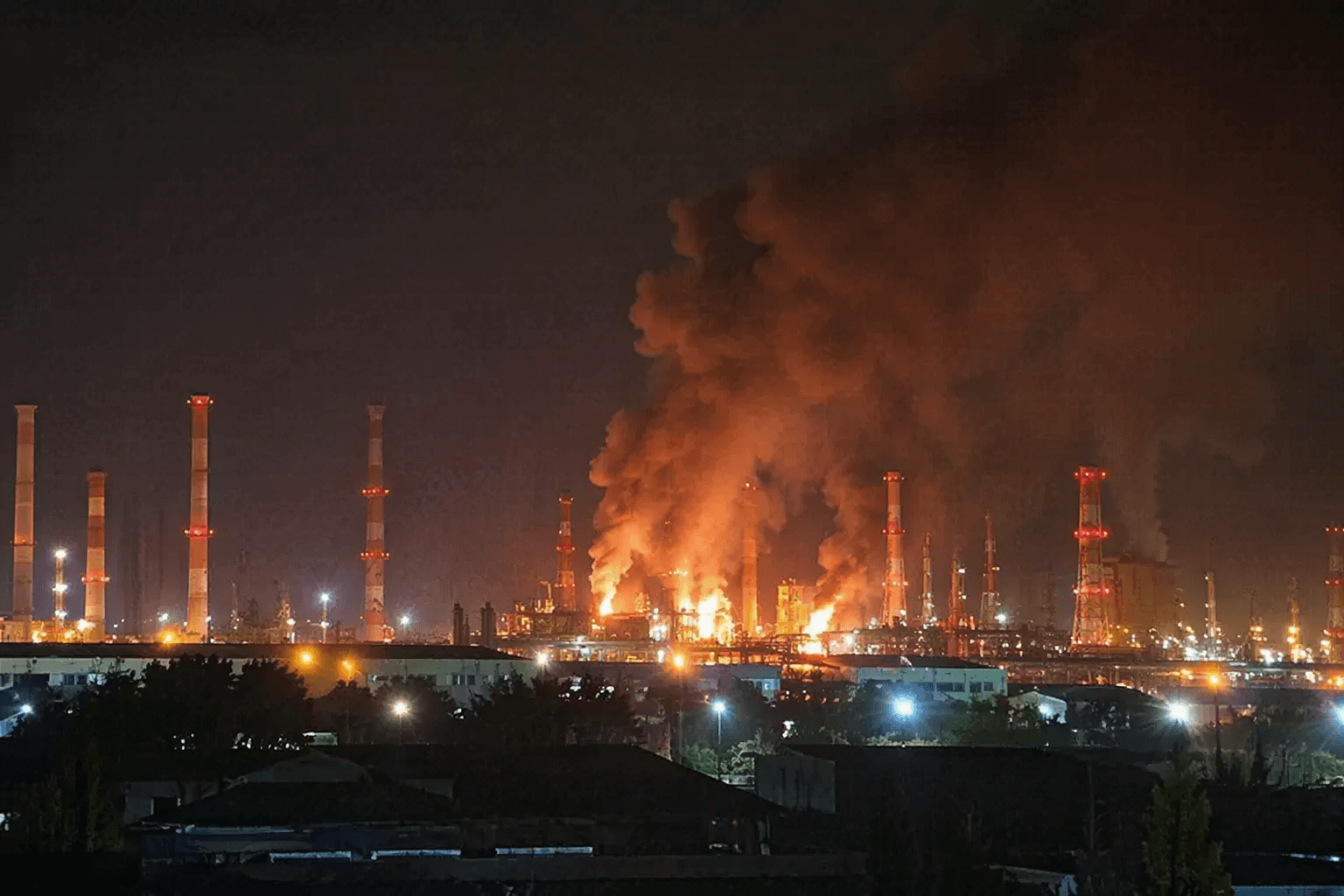
Rosneft did not immediately issue a public comment on the shutdown. The Kuibyshev refinery is part of Rosneft’s broader Samara refining hub, which also includes the Novokuibyshev and Syzran refineries, both of which had already been taken out of service by earlier strikes. Novokuibyshev had been mostly offline since mid-April, and Syzran had been fully offline since mid-May, leaving the region’s fuel system increasingly exposed.
That matters well beyond one plant. The Samara complex is a major supplier of fuel in central Russia and has been considered important for military needs as well as civilian demand. With one more refinery unit knocked offline, the pressure on transport logistics, domestic fuel supply and Rosneft’s regional output has intensified at a time when shortages were already spreading.

By June 10, fuel shortages were being reported in at least 25 Russian regions, reflecting the cumulative strain from repeated strikes on energy infrastructure. The latest shutdown added to a pattern in which Ukrainian attacks have targeted not only symbolic assets, but the refinery network that helps sustain Russia’s war economy, export capacity and home-front stability.
This article was produced by Prism’s automated news system from verified source data, official records, and press releases, then run through automated quality and moderation checks before publishing. The system is built and supervised by the people who set the standards it runs under. Read our full AI policy.
Know something we missed? Have a correction or additional information?
Submit a Tip