Ukrainian drone strikes force Russia to suspend Sea of Azov shipping
Ukraine’s drone campaign shut the Don-Azov Canal and rattled a route handling up to a quarter of Russia’s wheat exports, sending wheat prices up about 4%.
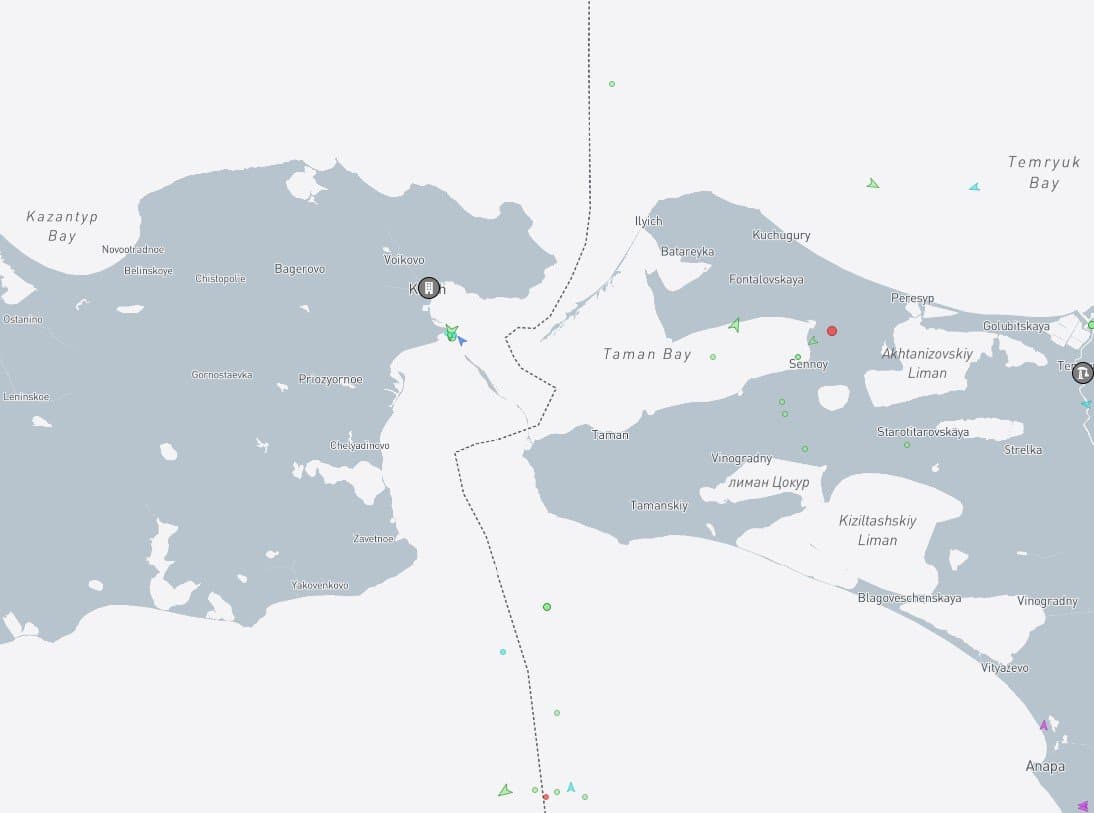
Russian authorities temporarily suspended shipping through the Don-Azov Canal after Ukrainian drone strikes hit vessels in the Sea of Azov, disrupting a corridor that carries grain and military traffic far from the front line. The closure came as pressure mounted on the Kerch Strait, the narrow passage linking the Sea of Azov to the Black Sea, and it quickly fed through to commodity markets.
Russian border guards told shipping companies at 6:10 p.m. local time on July 10 that they would no longer accept applications for passage through the Kerch Strait. The move followed attacks on 13 Russian vessels, including 10 tankers, and forced a halt through the canal that links the Don River to the Sea of Azov. The route runs through waters tied closely to the Rostov and Krasnodar regions, both central to Russia’s grain and fuel logistics.
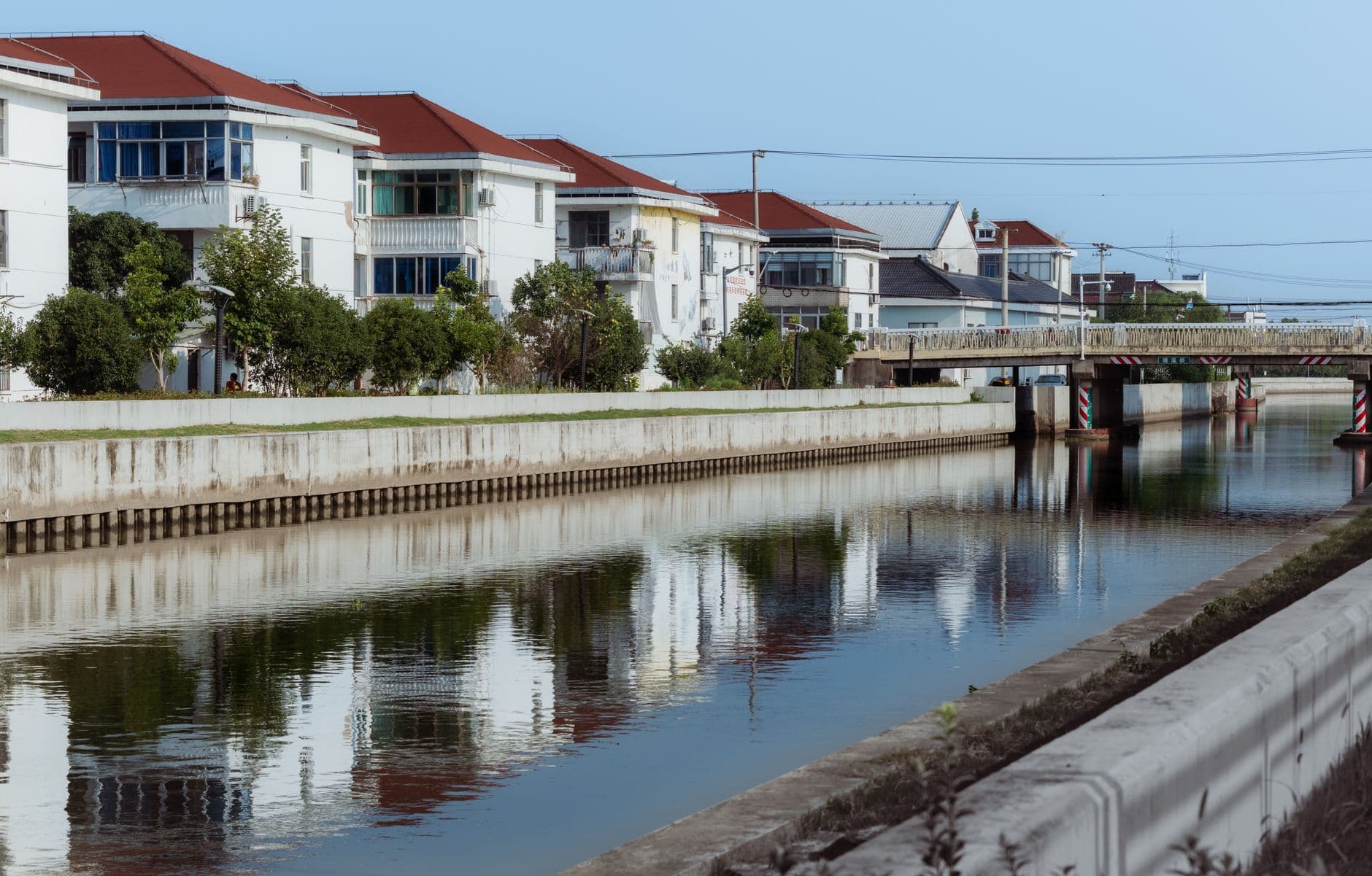
The Sea of Azov has become one of the most exposed points in Russia’s wartime transport network. It is a commercial corridor for grain exports and also a channel for moving supplies toward occupied Crimea. Market analysts say up to one-quarter of Russia’s wheat exports pass through the sea, which helps explain why even a temporary disruption drew immediate attention from traders and shippers.
Traffic data suggested the strikes had a broader effect than the immediate shutdown. The Institute for the Study of War cited Starboard Maritime Intelligence data showing a possible 55% decline in vessels with active AIS transponders in the Sea of Azov between June 30 and July 11. That drop pointed to a sharp pullback in visible traffic after the attacks, whether from rerouting, delay, or ships switching off their signals.
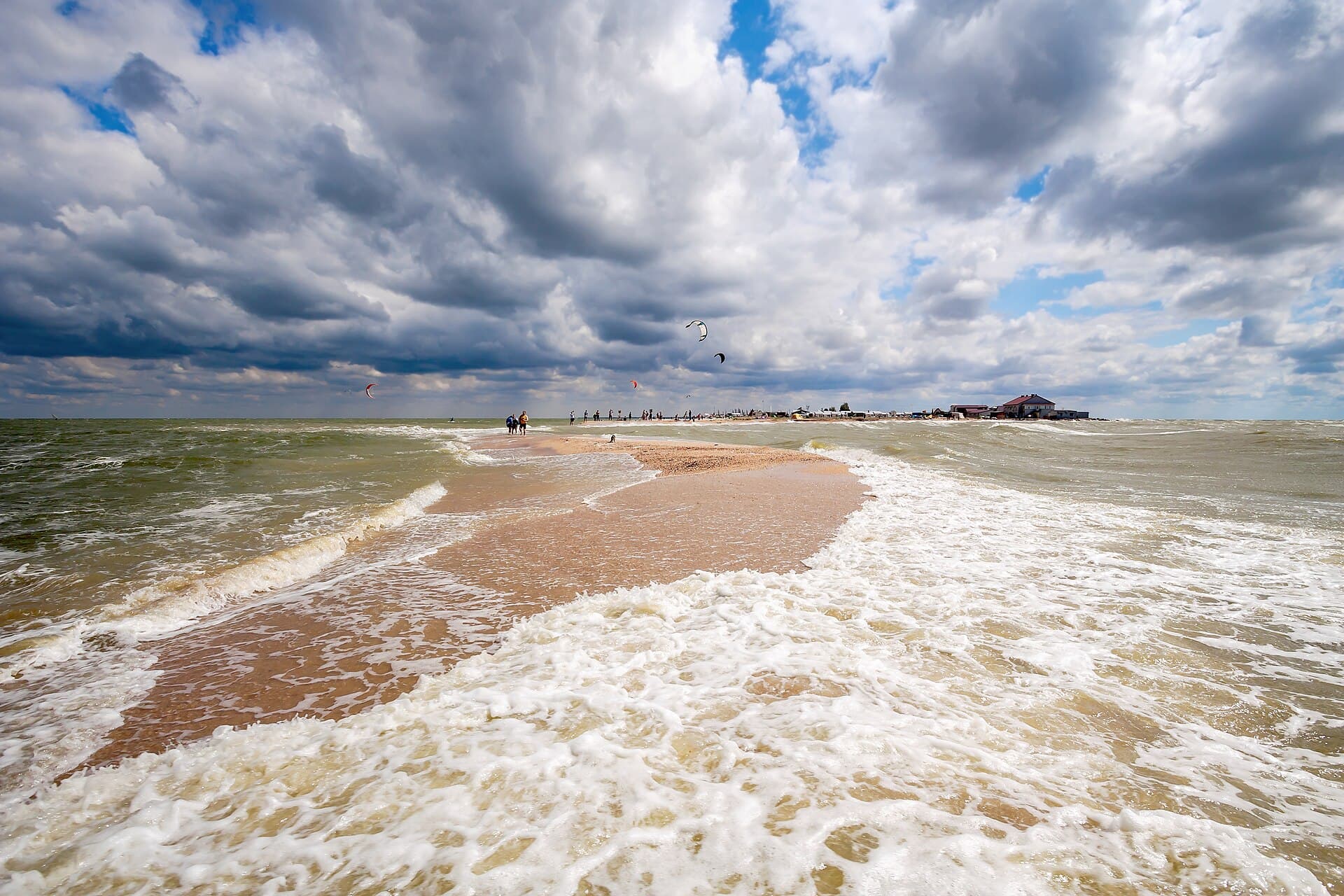
Ukraine’s campaign against maritime targets has accelerated quickly. Robert Brovdi, commander of Ukraine’s drone force, said 14 Russian ships were hit over one evening, bringing the total to 35 vessels struck in 96 hours. The pattern has focused on seaborne gasoline tankers, shadow-fleet vessels, cargo ships and ferries, turning the Sea of Azov into a test of how cheaply Ukraine can disrupt Russia’s war logistics and commercial trade at the same time. Wheat prices rose about 4% after the shipping halt was reported, a reminder that pressure on a regional waterway can move global markets within hours.
This article was produced by Prism’s automated news system from verified source data, official records, and press releases, then run through automated quality and moderation checks before publishing. The system is built and supervised by the people who set the standards it runs under. Read our full AI policy.
Did this article answer your question?