Ukraine's drone attack hits Moscow refinery, disrupts capital life
Ukrainian drones hit Moscow’s Kapotnya refinery twice in a week, sending smoke over the capital, wounding at least 17 people and jolting residents out of routine.
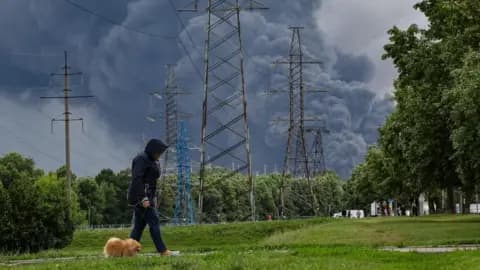
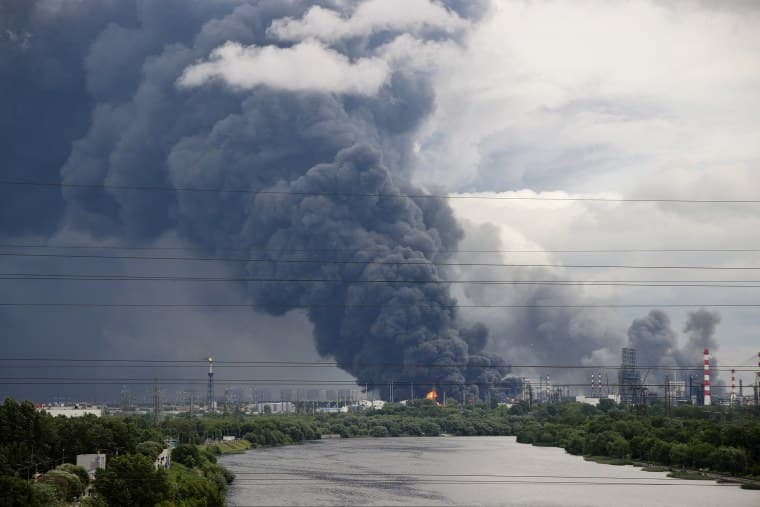
Smoke rose over southeastern Moscow after Ukrainian drones struck the Kapotnya oil refinery for the second time in a week, puncturing the sense of normalcy that often shields the Russian capital from the war. Moscow Mayor Sergei Sobyanin said several drones reached the refinery as air defenses repelled what he described as a massive attack. Authorities said a shopping center also suffered minor damage, and at least 17 people were wounded.
Russia’s defense ministry said 555 drones were shot down across the country, while Sobyanin said 180 were intercepted around Moscow alone. The strike was among the largest on Moscow since Russia’s full-scale invasion of Ukraine began more than four years ago, underscoring how far the fighting has moved into the country’s political and economic center. Reports from the city described flames and smoke over densely populated southeastern Moscow, where the refinery sits in a district that most residents know for fuel, traffic and commuting, not war.
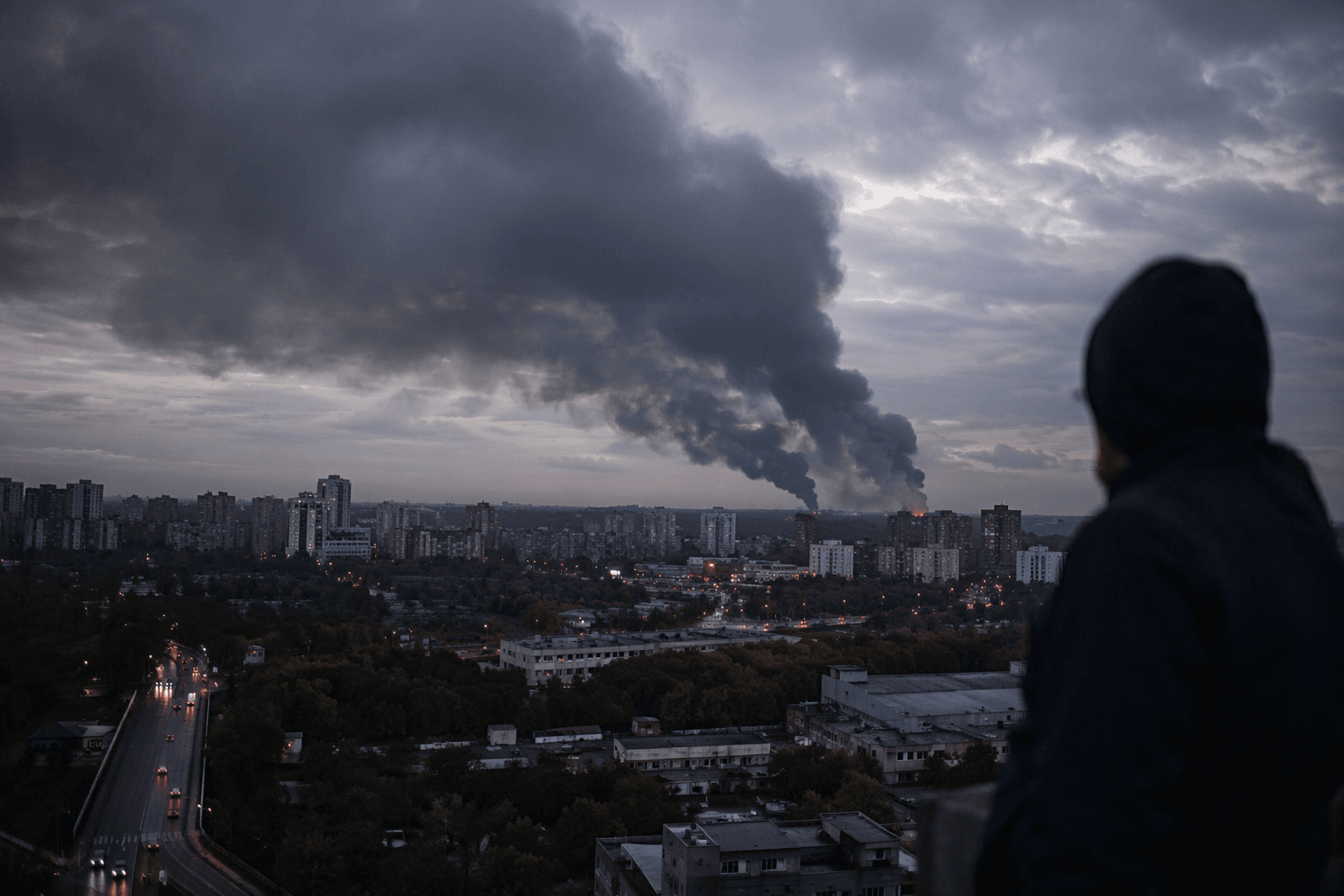
The Kapotnya refinery matters because it helps supply fuel to the capital, and the attack hit after an earlier Ukrainian drone strike on Tuesday had already halted operations there. That made the damage more than symbolic. It landed on an infrastructure target that helps keep Moscow moving, just as Ukraine has stepped up long-range attacks on Russian energy facilities in an effort to strain the Kremlin’s war economy.
The pressure is now spreading beyond Moscow’s skyline. Russian officials and industry figures have been grappling with gasoline shortages linked to the refinery strikes, and Russia may need to import fuel by sea this month to make up the shortfall. For a country that is one of the world’s largest oil producers and a major fuel exporter, the prospect of importing fuel carries both economic and political weight.
Kyiv framed the assault as a direct reply to Russia’s own bombardment of Ukrainian cities. Volodymyr Zelenskyy called it a “totally fair response,” while Foreign Minister Andrii Sybiha said Moscow was now confronting the consequences of Vladimir Putin’s war of aggression. The timing added another layer: the attack came hours before Putin was due to meet Southeast Asian leaders at a summit in Kazan, about 700 kilometers east of Moscow. For residents in the capital, the message was harder to miss. The war was no longer something happening far away.
This article was produced by Prism’s automated news system from verified source data, official records, and press releases, then run through automated quality and moderation checks before publishing. The system is built and supervised by the people who set the standards it runs under. Read our full AI policy.
Know something we missed? Have a correction or additional information?
Submit a Tip