Ukrainian volunteers fly old plane to hunt Russian drones
An old skydiving plane became a drone hunter as civilian volunteers stepped into Ukraine’s air war, exposing how stretched conventional defenses had become.
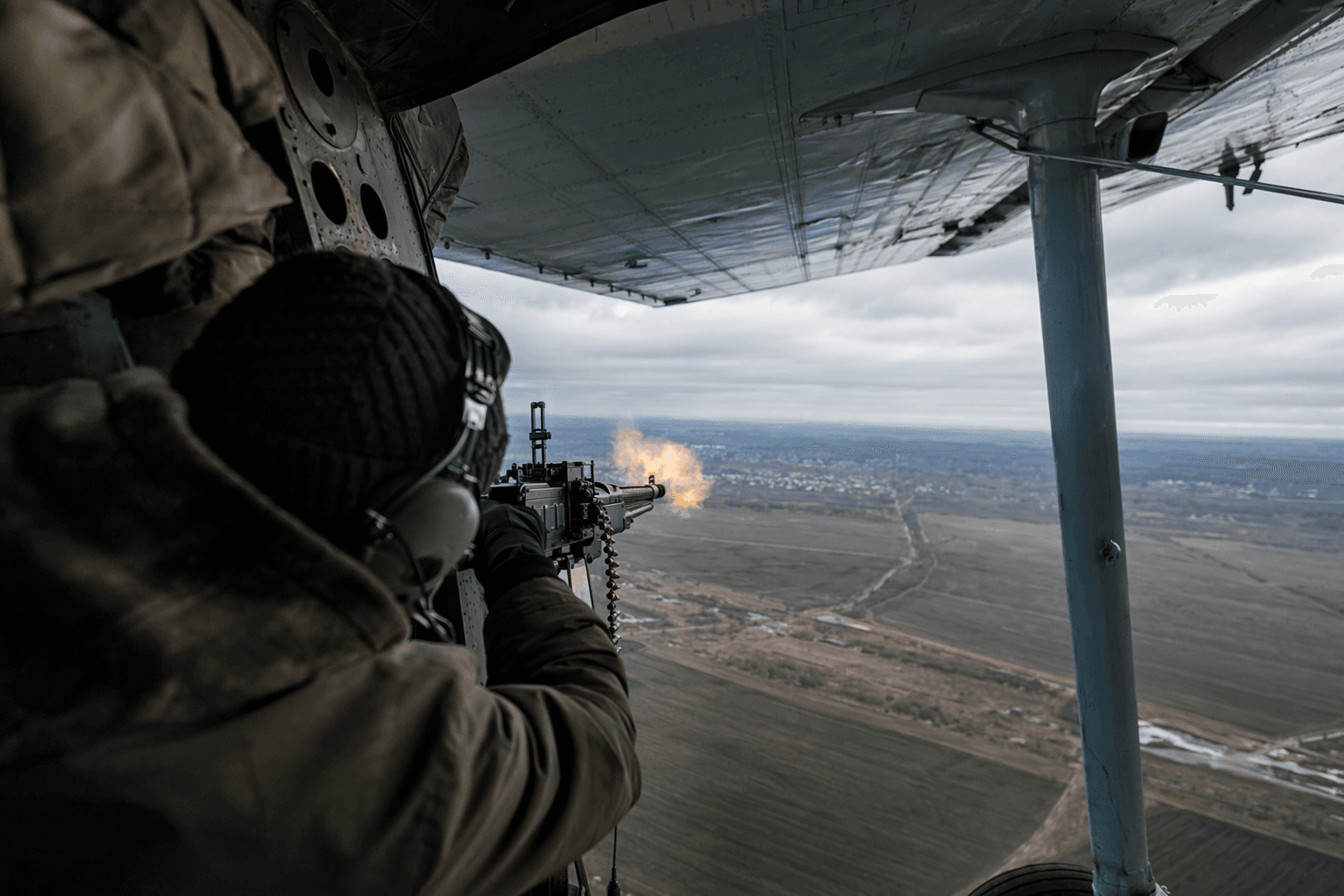
An old skydiving plane, stripped for a new mission, has become part of Ukraine’s answer to a drone war that keeps growing faster than its air defenses can absorb. Civilian volunteers, many of them exempt from military service, have taken on the work of spotting, tracking and trying to bring down Russian drones with aircraft, drones, firearms and even their own vehicles.
The improvisation was formalized on June 11, 2025, when Ukraine’s Cabinet of Ministers approved an experimental program to involve members of paramilitary and volunteer territorial defense formations in air defense. The program was set to run during martial law for no longer than two years, and it authorized volunteers with flight experience or the right qualifications to detect, track and engage enemy aerial targets. Taras Melnychuk and other Ukrainian officials outlined the plan as part of a wider push to widen the country’s air-defense net beyond the regular military.
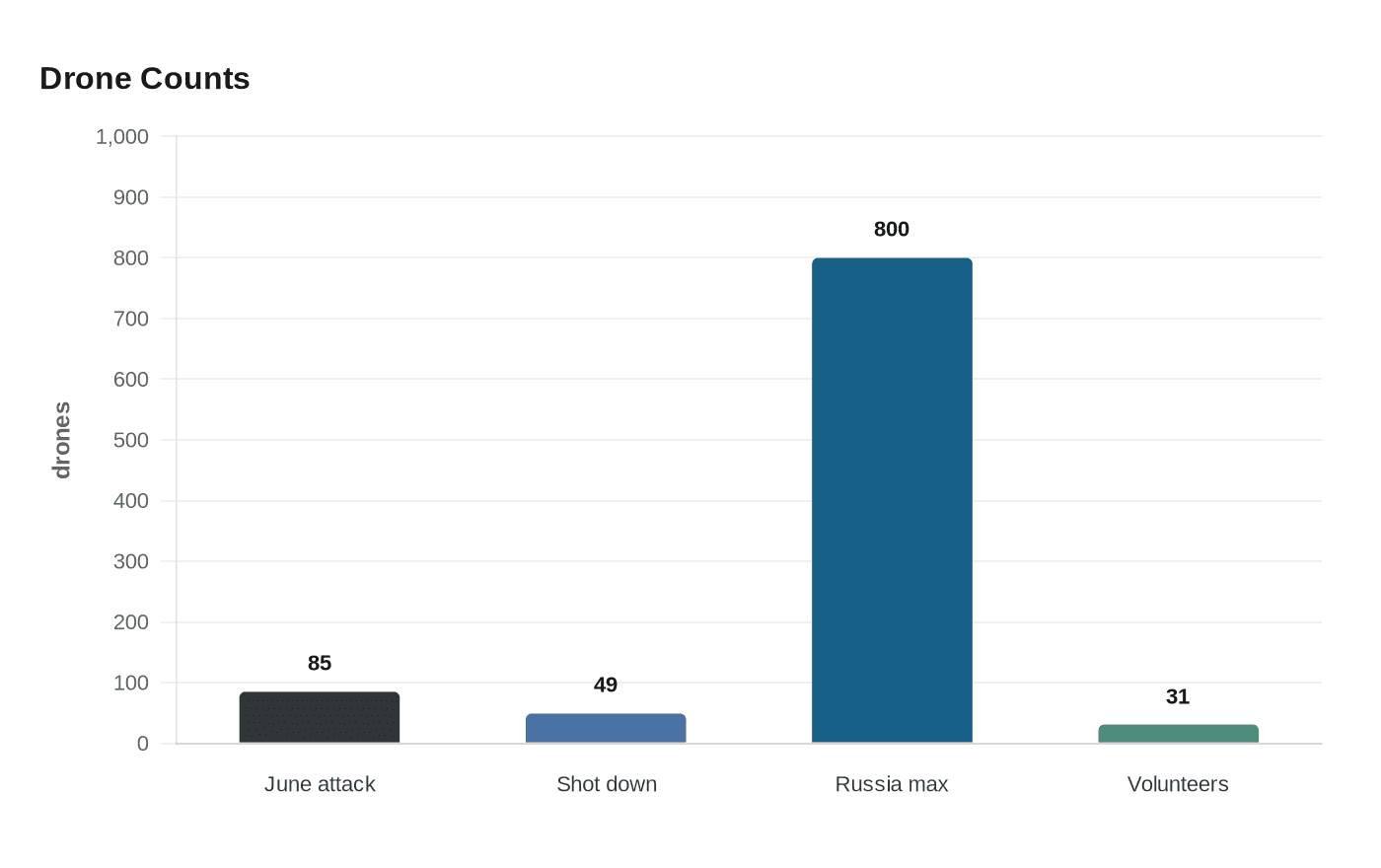
The pressure behind that shift was clear. In one overnight attack in June 2025, Russian forces launched 85 Shahed drones and decoys, and Ukrainian air defenses shot down 49 of the targets. Later, Defense Minister Denys Shmyhal said Russia had already demonstrated the capacity to send roughly 800 drones into the sky in a single night. That scale has turned Ukraine’s air war into a contest of adaptation, in which each low-cost drone can force a response from much more expensive systems.
The economics are brutal. The Center for Strategic and International Studies has estimated that each Shahed costs about $35,000, cheap enough to make mass attacks sustainable and costly enough to exhaust defenders who rely on traditional interceptors. That imbalance has pushed Ukraine toward lower-cost solutions, including interceptor drones and civilian volunteer crews, as officials search for ways to match Russia’s production and launch rate.
The volunteer model has already shown results on the ground. In Pereiaslav, southeast of Kyiv, a mobile aerial defense unit of about 40 civilian volunteers had shot down 31 drones by February 2025, according to reporting from France 24. The unit’s work reflected the kind of local knowledge that can matter in a decentralized fight: people who know the roads, the fields and the night sky, and who can mobilize quickly when a drone crosses over the Dnipro River and into residential territory.
That is the larger lesson of the retrofitted plane now flying the hunt. Modern air defense is no longer only the domain of big radar arrays and missile batteries. In Ukraine, it has become a layered system built from soldiers, volunteers, local budgets and improvised aircraft, all trying to close the gap between the cost of a drone and the cost of stopping it.
This article was produced by Prism’s automated news system from verified source data, official records, and press releases, then run through automated quality and moderation checks before publishing. The system is built and supervised by the people who set the standards it runs under. Read our full AI policy.
Did this article answer your question?


