UN fact-finding mission says el-Fasher attacks show hallmarks of genocide
UN investigators found evidence that RSF forces committed killings, rape and starvation aimed at Zaghawa and Fur communities in el-Fasher, prompting calls for international probes.
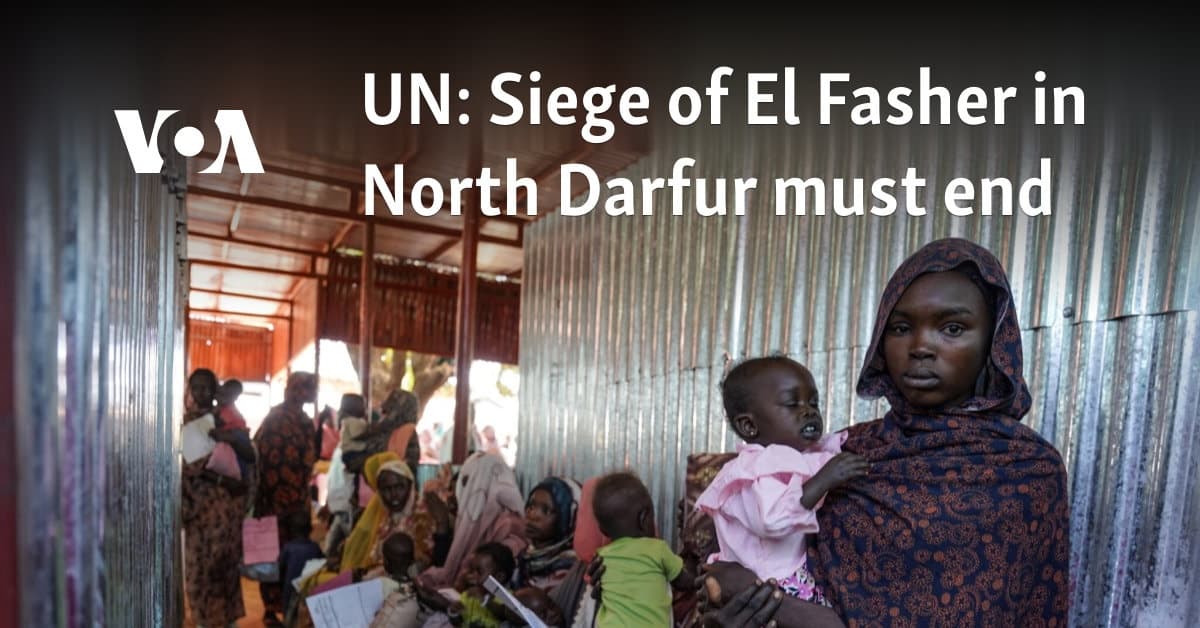
An independent United Nations fact-finding mission concluded that atrocities committed during the siege and takeover of el-Fasher by Sudan’s Rapid Support Forces bear the hallmarks of genocide, saying the attacks targeted the Zaghawa and Fur communities with killings, sexual violence and measures intended to bring about their destruction.
“The body of evidence we collected, including the prolonged siege, starvation and denial of humanitarian assistance, followed by mass killings, rape, torture and enforced disappearance, systematic humiliation and perpetrators' own declarations - leaves only one reasonable inference,” said fact-finding mission expert Mona Rishmawi. “The RSF acted with intent to destroy, in whole or in part, the Zaghawa and Fur communities in El-Fasher. These are the hallmarks of genocide.”
The mission said at least three underlying acts of genocide were established by its evidence: killing members of a protected ethnic group, causing serious bodily and mental harm, and deliberately inflicting conditions of life calculated to bring about the group's physical destruction in whole or in part. The findings follow the RSF's capture of el-Fasher in late October after what investigators describe as an 18-month siege that cut off food and humanitarian aid.
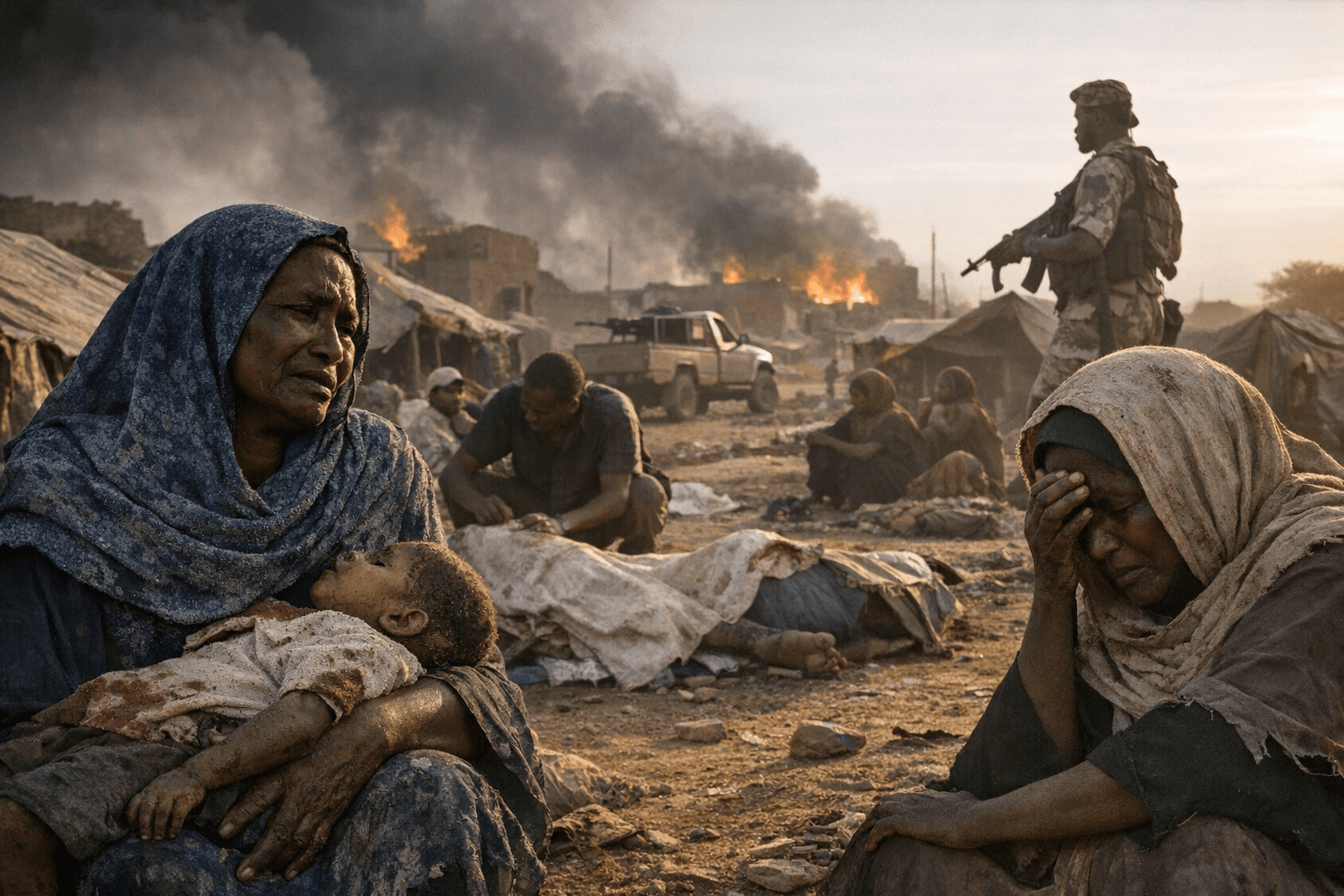
Regional reporting described the October offensive as extremely violent. ModernDiplomacy reported that over three days “thousands were reportedly killed or raped” and that displacement camps and civilian infrastructure were attacked. The UN human rights office issued an accompanying assessment describing a final offensive that unleashed “a wave of intense violence…shocking in its scale and brutality” and concluding those acts amount to war crimes and possible crimes against humanity.
Perpetrators are identified as the RSF, a paramilitary force that grew out of the Janjaweed militias blamed for mass atrocities in Darfur in the early 2000s. The Janjaweed campaign killed an estimated 300,000 people and drove 2.7 million from their homes, a grim precedent cited by the fact-finding mission and international commentators. The RSF has not engaged with the mission, and according to reporting it did not respond to requests for comment on the new report; the force has in the past denied allegations of widespread abuses. The AP and UN experts also say the RSF has received material support from the United Arab Emirates during the conflict, a claim the UAE denies.
The report has already prompted diplomatic reaction. UK Foreign Secretary Yvette Cooper called the findings “truly horrific” and said she would take the conclusions to the UN Security Council. “There must be international criminal investigations to ensure accountability for perpetrators and justice for victims, and an end to the arms flow feeding the conflict,” she said.
Legal and political consequences are likely to be contested. The fact-finding mission’s determination that the evidence points to genocidal intent does not itself produce a judicial verdict. Still, it narrows the gap between investigative findings and formal legal processes and increases pressure on international bodies to open criminal inquiries and to curb arms transfers that sustain the fighting.
For civilians in Darfur the human toll is immediate: communities displaced, cut off from aid and facing the prospect of further targeted violence. The mission’s naming of the Zaghawa and Fur as protected groups underscores the ethnic dimension of the assault and frames an urgent test for the international community: whether it will translate findings into investigations, sanctions and humanitarian access to protect survivors and preserve evidence for future prosecutions.
This article was produced by Prism’s automated news system from verified source data, official records, and press releases, then run through automated quality and moderation checks before publishing. The system is built and supervised by the people who set the standards it runs under. Read our full AI policy.
Did this article answer your question?