UN inspectors find undeclared Syrian chemical weapons cache, including Ghouta rockets
Inspectors uncovered undeclared Syrian chemical munitions and Ghouta-type rockets, reopening questions about Assad-era disarmament claims and enforcement.
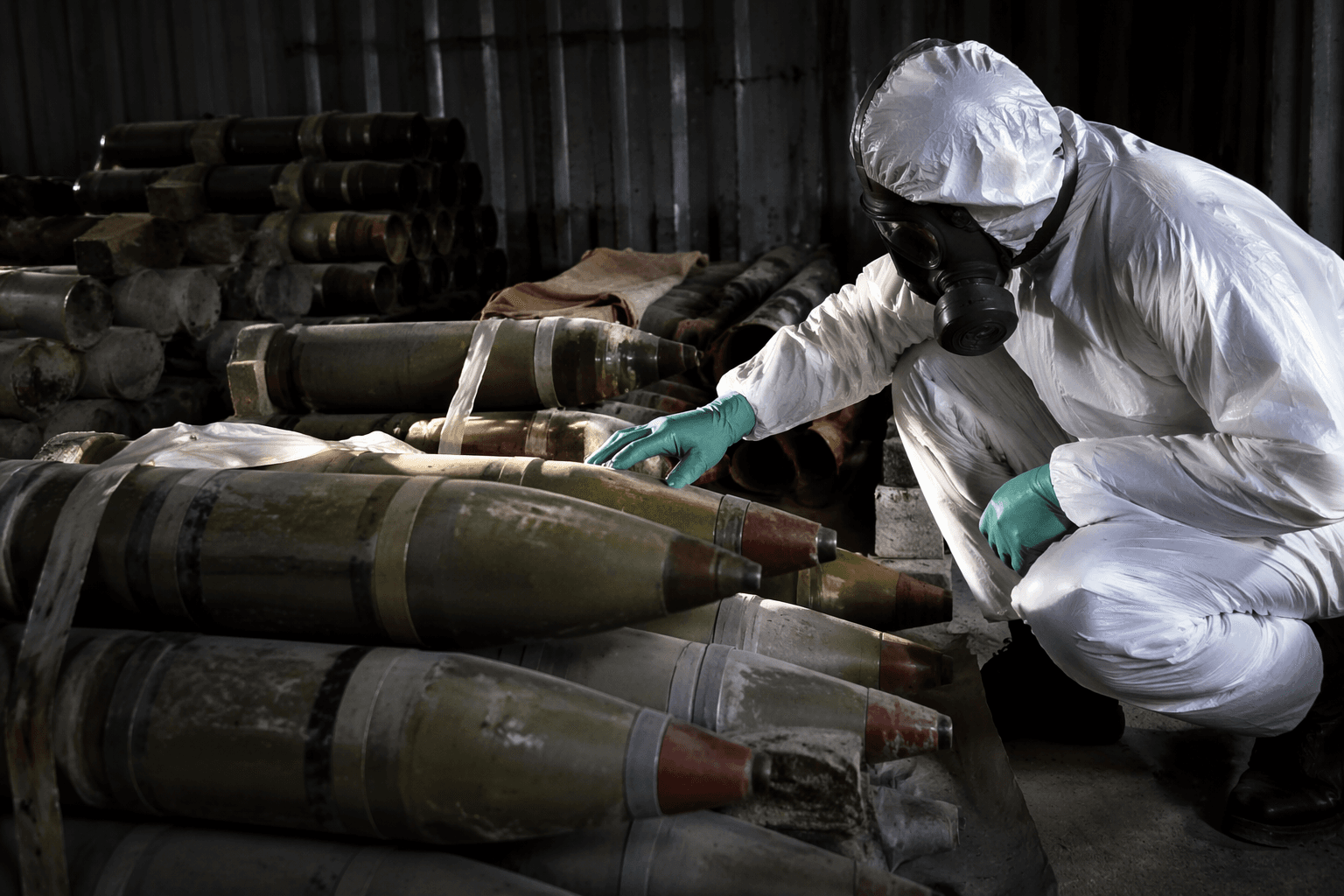
UN chemical weapons inspectors uncovered a significant undeclared cache in Syria, including rockets of the same type used in the 2013 Ghouta attack, a finding that deepened scrutiny of how much of the country’s arsenal was ever truly accounted for. Izumi Nakamitsu told the Security Council the discovery was a momentous one for international security and said it closed a long-standing gap in Syria’s chemical weapons file.
The team, deployed by the UN-backed Organisation for the Prohibition of Chemical Weapons in May, found undeclared chemical munitions, related materials and extensive documentation. Nakamitsu said the newly discovered weapons now have to be formally declared and destroyed under OPCW verification, and she said inspectors still need access to other sites. The central problem is one that has lingered since 2014, when the OPCW could not confirm that Syria’s declaration, first submitted under the government of ousted President Bashar al-Assad, was accurate or complete.
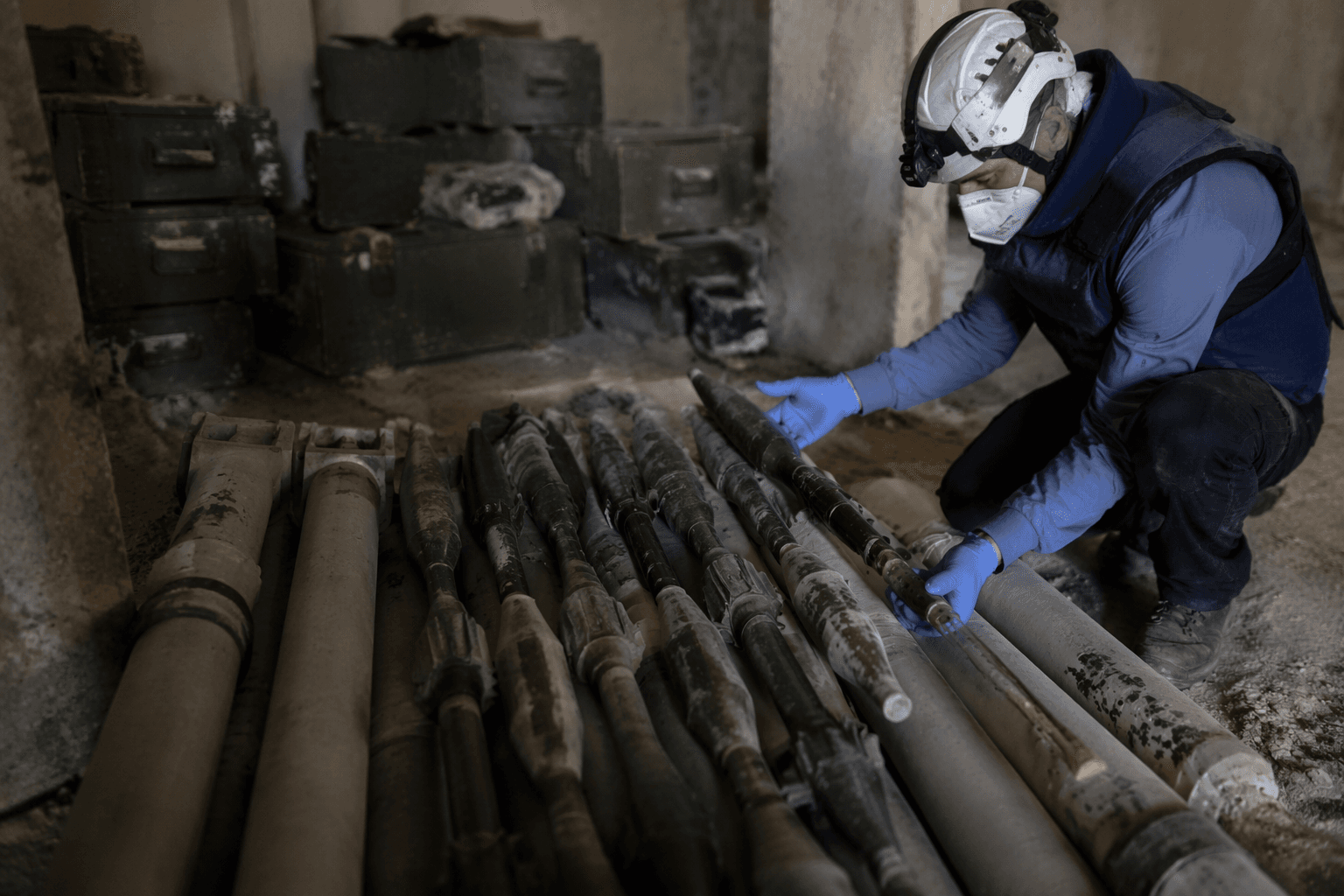
The discovery also cast a harsh light on the limits of international inspections. More than a decade after Ghouta, undeclared chemical weapons were still being found, suggesting that declarations on paper did not match the reality on the ground. That gap matters not only for disarmament, but for war-crimes evidence and regional security, because every newly documented munition adds to the record of how Syria’s chemical program was concealed and how much remains to be dismantled.
The new Syrian government has tried to present itself as a different partner to the international system. President Ahmed al-Sharaa’s government cooperated closely with inspectors, gave them access to sites and handed over documents. Syria’s representative to the UN called the discovery a decisive turning point and said the government had facilitated 32 visits by OPCW inspectors and provided more than 60,000 pages of documents.
Several Security Council members welcomed the progress, but the reactions also showed how contested the legacy of Syria’s disarmament remains. The United Kingdom said the find further proved Assad’s attempts to deceive the international community. The United States called the process a shared commitment to closing this chapter. France and Denmark warned that the work ahead remained complicated because of the security environment and the number of potentially relevant sites. Russia urged a more depoliticized review.
The immediate task is verification, declaration and destruction. The larger reckoning is harder: after years of claims that Syria had surrendered its chemical arsenal, inspectors are still finding hidden pieces of it, and the credibility of that old disarmament story remains under strain.
This article was produced by Prism’s automated news system from verified source data, official records, and press releases, then run through automated quality and moderation checks before publishing. The system is built and supervised by the people who set the standards it runs under. Read our full AI policy.
Know something we missed? Have a correction or additional information?
Submit a Tip