UN presses AI firms to disclose data center environmental costs
The UN is pushing AI firms to disclose data-center power, water and land use, as electricity demand could hit 945 terawatt-hours by 2030.
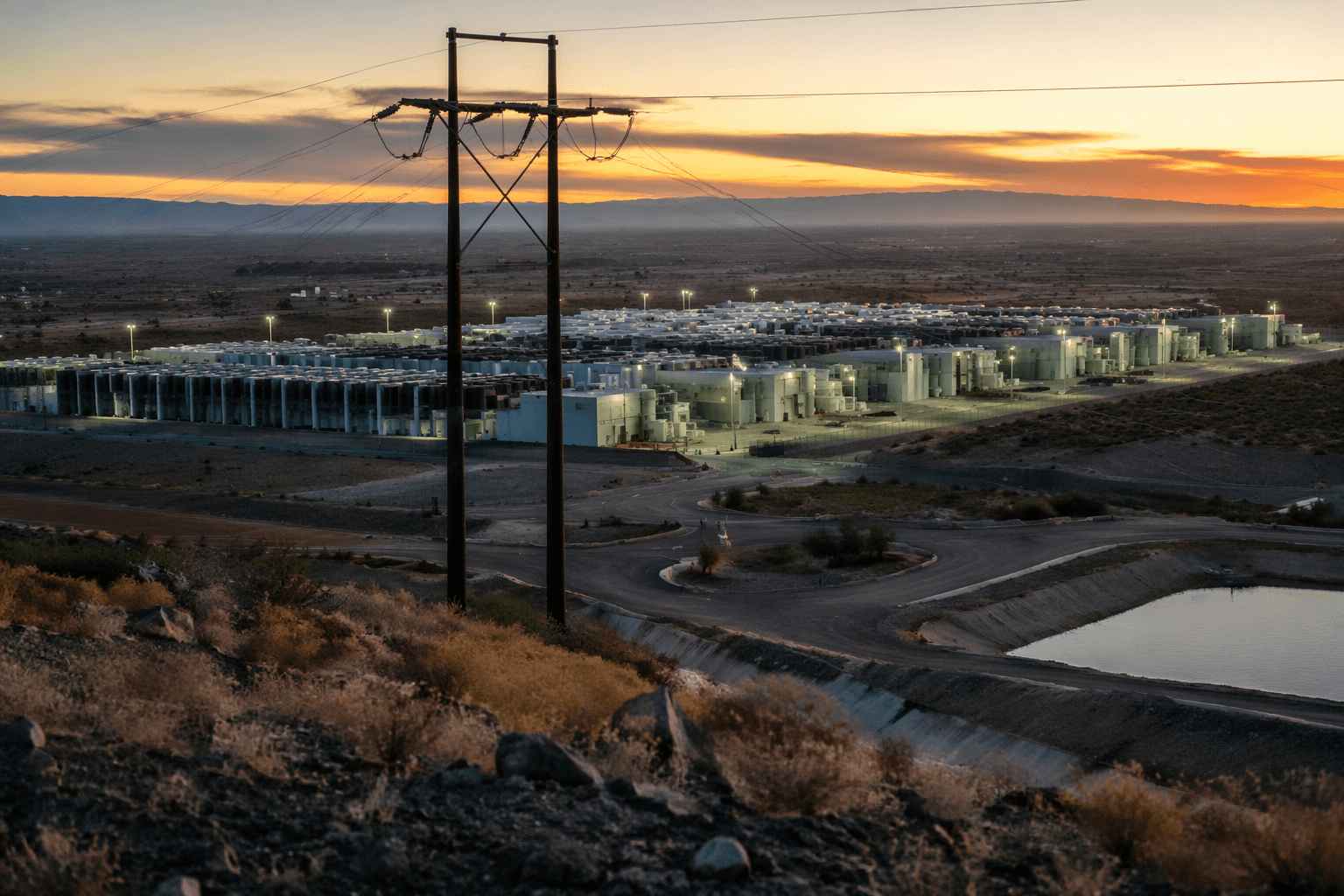
The United Nations is challenging the AI industry to show its math. António Guterres used London Climate Action Week to press major AI companies to publicly disclose the full environmental cost of their data centers and to run them on renewable energy by 2030, turning a fast-growing technology debate into a test of climate transparency.
Guterres proposed the AI Environmental Transparency Initiative as a direct response to how little is visible about the infrastructure behind AI systems. He said companies should measure and publish their carbon, water and land footprints, rather than presenting AI as progress without accounting for the resources it consumes. The push lands in the middle of a broader climate-and-energy crisis that the UN says is still being driven by fossil fuels.
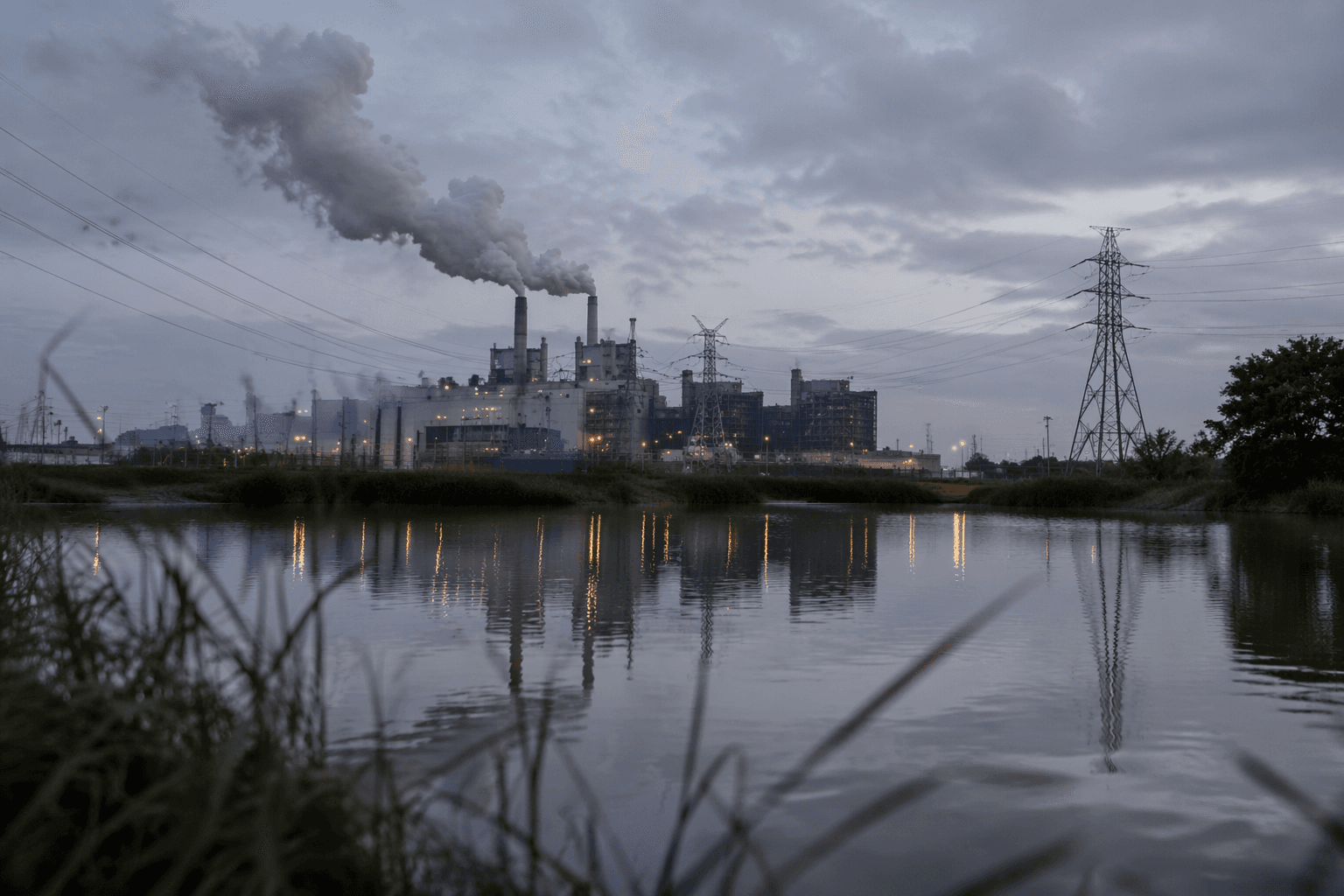
The numbers in the UN materials are stark. UN News said AI data centers could consume 945 terawatt-hours of electricity a year by 2030, almost triple the combined electricity use of Pakistan, Bangladesh and Nigeria. The same analysis said AI-related water use could match the basic annual domestic needs of 1.3 billion people, while land use could exceed 14,500 square kilometers, roughly twice the size of the Jakarta metropolitan area.
The UN’s underlying report argues that carbon alone does not capture the full burden. It says daily AI use accounts for roughly 80% to 90% of total energy demand, and one widely used AI service is estimated to process around 2.5 billion prompts a day. The report also says generating a single AI image can require more than 1,000 times the energy of simple text classification, with video generation demanding even more. That means efficiency gains in model design can be erased by rising usage.
The governance question is whether voluntary disclosure changes behavior before regulators do. The UNU-INWEH report, authored by Miriam Aczel, Sanaz Chamanara, Mir Matin, Aria Farsi, Tshilidzi Marwala and Kaveh Madani, says the environmental footprint of AI should be measured beyond carbon to include water, land, mineral extraction and e-waste. It argues the current gap in AI environmental governance leaves the public to guess at the costs while benefits spread across borders and the burdens fall on specific communities and regions.
This article was produced by Prism’s automated news system from verified source data, official records, and press releases, then run through automated quality and moderation checks before publishing. The system is built and supervised by the people who set the standards it runs under. Read our full AI policy.
Know something we missed? Have a correction or additional information?
Submit a Tip