U.N. to assume management of al-Hol camp amid Syrian takeover
U.N. will take over administration of al-Hol after Kurdish-led guards withdraw and unrest; Syrian forces now control the perimeter, raising humanitarian and legal alarms.
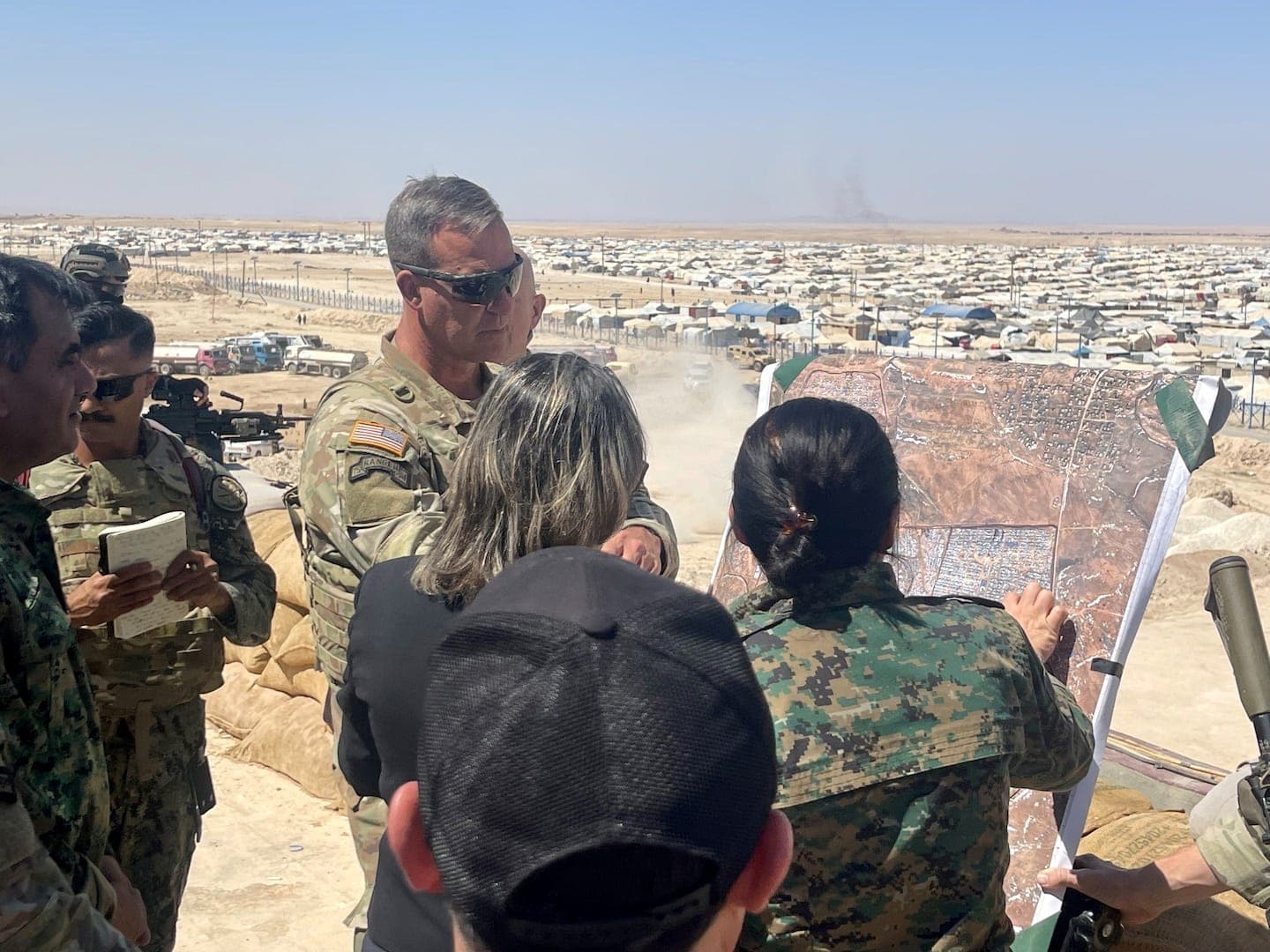
U.N. officials announced that the United Nations will take over management of the sprawling al-Hol camp in north-eastern Syria after the withdrawal of the Kurdish-led guards and a security transition that left Syrian government forces controlling the perimeter. Edem Wosornu told the Security Council that UNHCR had “taken over camp management responsibilities” and was working with Syrian authorities to restore humanitarian access, even as the agency warned conditions inside remained hazardous.
The handover followed a negotiated truce that prompted the Syrian Democratic Forces to pull back from positions around the camp, which has long housed families and dependents linked to the Islamic State. Syrian troops moved into positions around the facility and journalists and officials on the ground reported government soldiers guarding the main entrance. During the transition, unrest erupted as residents rushed perimeters and there were accounts of looting and some families fleeing amid chaotic scenes. U.N. spokesman Stéphane Dujarric warned conditions were “tense and volatile,” and humanitarian agencies suspended operations while access and security were being reassessed.
The uncertainty deepens a yearslong crisis. Al-Hol holds roughly 23,000 to 24,000 people under differing counts: one set of figures puts the total at about 24,000, including roughly 14,500 Syrians, nearly 3,000 Iraqis and some 6,500 others; another account records more than 23,000, the majority Syrian, about 2,000 Iraqis and about 6,000 foreigners. The camp, located in Hasakah province some 40 kilometers from the city center and near the Iraqi border, is divided into multiple sections and has a separately secured zone where people described as loyal supporters of IS have been detained.
Humanitarian actors say the suspension of services risks deteriorating an already dire situation. Medical care, food distribution and protection services had been limited for years, and the sudden change in security arrangements has interrupted fragile supply lines and staff access. Legal and protection questions follow: who will bear responsibility for detainees in the separately secured area, under what legal frameworks UNHCR will operate in coordination with Damascus, and how accountability and due process will be maintained for people suspected of involvement with extremist violence.

The transition also has strategic ramifications. U.S. military officials expressed concern about the risk of a security collapse that could enable a resurgence of IS or the escape of detainees, and said they were engaged with parties on the ground to prevent such outcomes. The U.S. military additionally reported an operation to transfer thousands of IS prisoners from Syria to Iraq, part of wider efforts to reduce the concentration of detainees in northeast Syria.
Voices from inside the camp underscored civilian suffering. A woman identified as Umm Sadek said, “We’ve been living a tragedy,” denied links to IS and expressed a hope that the new government would “show mercy and compassion.” Human rights organizations warn that prolonged collective detention of relatives risks further radicalization and breaches basic protections for women and children, and they continue to press states to repatriate their nationals and to provide safe alternatives to indefinite encampment.
Key questions remain unresolved: precise, verifiable population figures and nationality breakdowns; the legal status and future of the secured detention section; the practical modalities and timeline for UNHCR management; and when humanitarian agencies will be able to resume full operations. The handover transforms the local calculus in north-eastern Syria and places renewed international scrutiny on the responsibilities of states and international bodies to protect vulnerable civilians while managing significant security risks.
This article was produced by Prism’s automated news system from verified source data, official records, and press releases, then run through automated quality and moderation checks before publishing. The system is built and supervised by the people who set the standards it runs under. Read our full AI policy.
Did this article answer your question?


