U.N. Warns of Civilian Toll After Sudan Drone and Air Strikes
United Nations agencies and humanitarian groups say violence has surged across Sudan, with drone and air strikes in early January killing civilians, including children, and damaging hospitals. The warnings signal an acute deterioration in humanitarian access and health services at a moment when already fragile communities face renewed displacement and disease risk.
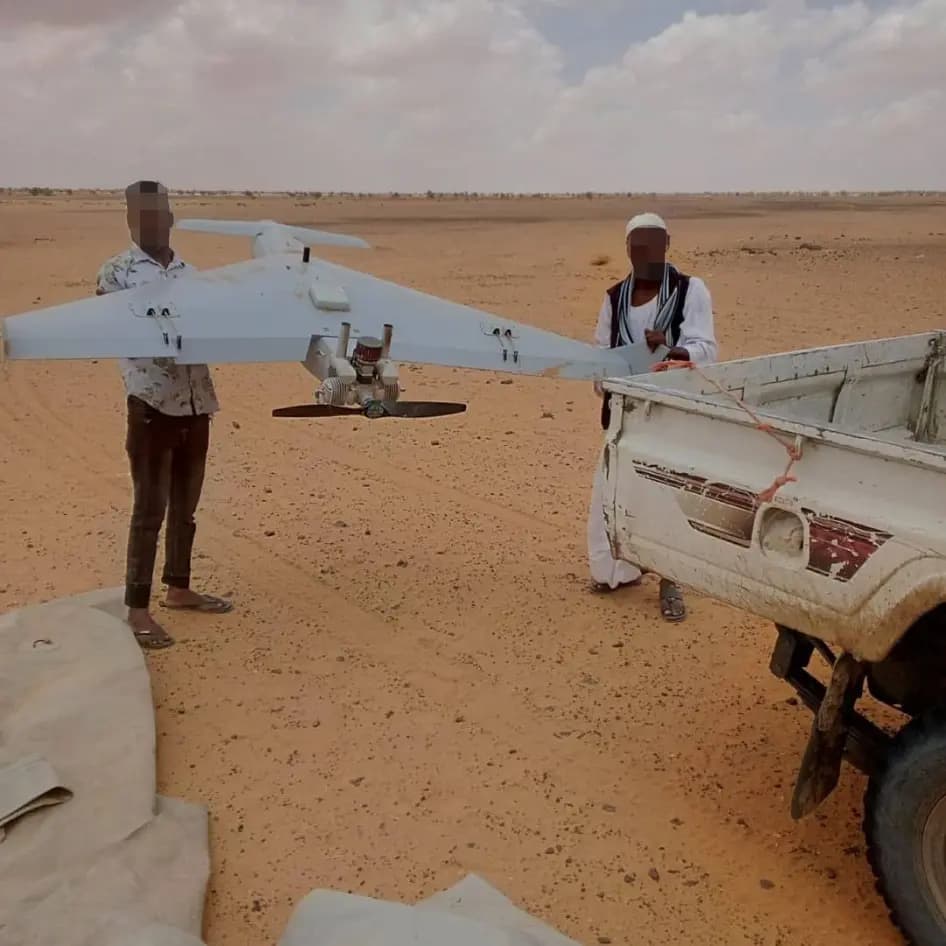
United Nations agencies and humanitarian organizations are warning of a sharp rise in civilian harm after reports of heavy fighting and drone and air strikes across Sudan’s conflict zones on Jan. 7 and Jan. 8. Medical groups and aid agencies documented civilian deaths, including children, and damage to hospitals and other critical infrastructure, underscoring an intensifying threat to the country’s already fragile health system.
The reports from Jan. 7–8 describe widespread use of aerial weapons in populated areas, a practice that increases the likelihood of indiscriminate civilian casualties and collateral damage to hospitals. Humanitarian responders say strikes and sustained fighting have disrupted medical care at a time when many facilities were already operating at reduced capacity because of shortages of staff, supplies and safe access.
Damage to hospitals reduces the ability to treat the wounded and to maintain routine services such as maternal and pediatric care and vaccinations, medical experts warn. When health facilities are damaged or forced to close, patients with chronic conditions, pregnant women and children lose access to lifesaving treatments. Aid agencies also point to the cascading effects on water, sanitation and food distribution systems, which together exacerbate risks of malnutrition and infectious disease among displaced populations.
Aid convoys and health teams have reported mounting difficulties reaching affected communities because of front-line shifting and aerial activity. Humanitarian access has long been limited in many parts of Sudan, and the renewed strikes have compounded logistical and security challenges for organizations attempting to deliver emergency medical supplies, food and shelter. The interruption of services in and around cities with major hospitals could produce long-term setbacks in public health outcomes across the region.
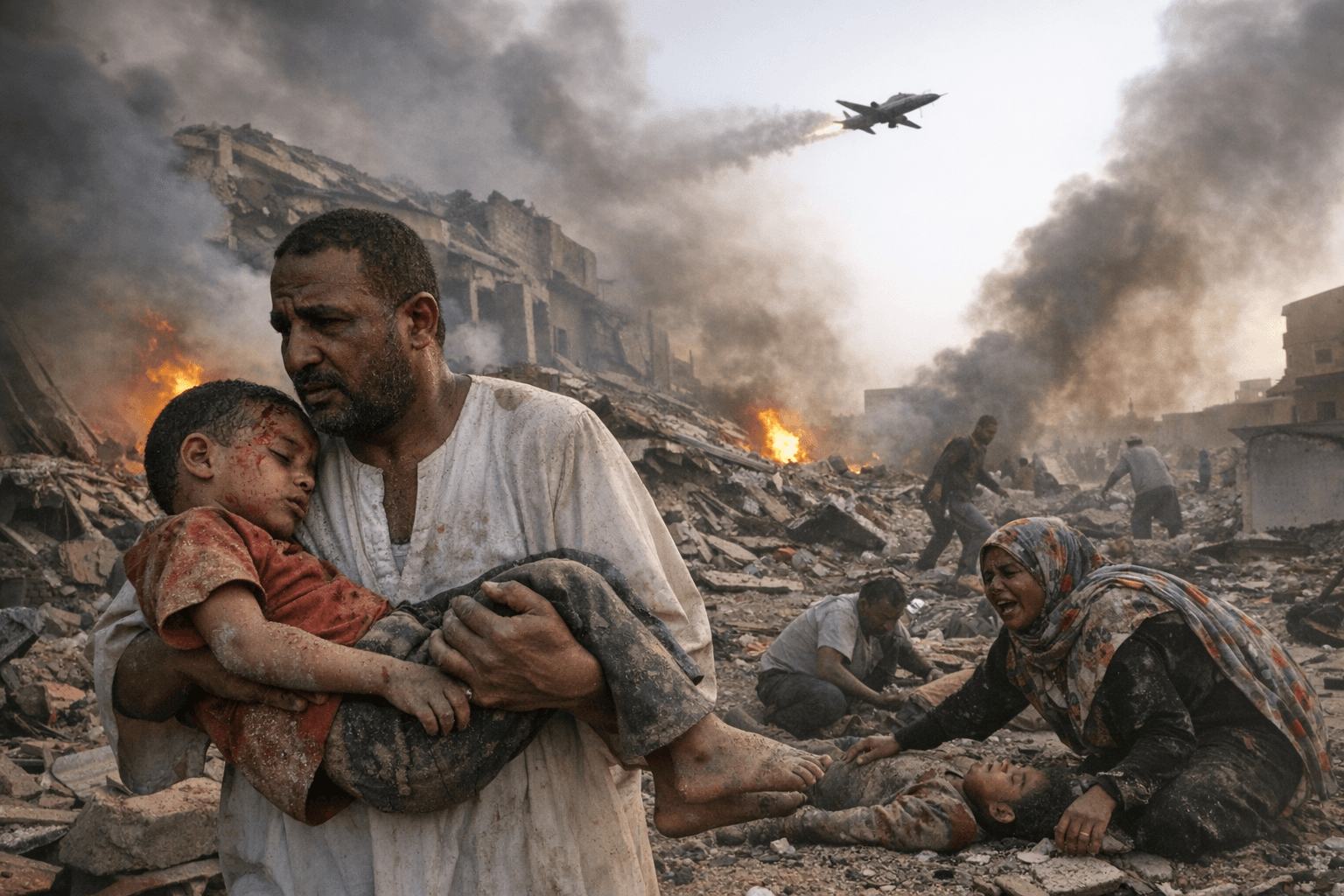
The violence comes amid a broader political and security crisis that has already displaced hundreds of thousands and strained international relief capacity. Medical groups and U.N. agencies emphasize that attacks on health infrastructure violate longstanding international humanitarian norms and complicate efforts to provide neutral, life-saving assistance. They say the emerging pattern of aerial strikes in populated areas risks transforming localized hostilities into a wider humanitarian catastrophe.
Humanitarian organizations are calling attention to the immediate needs on the ground: trauma care for the injured, safe corridors for civilians to reach medical care, and uninterrupted supply chains for essential medicines. They are also warning that if hostilities continue unchecked, secondary crises such as outbreaks of communicable disease and a deepening food security emergency could follow.
The U.N. and its partners say they are monitoring the situation and coordinating emergency responses where access allows, while urging all parties to ensure the protection of civilians and civilian infrastructure. The coming days will be critical for determining whether relief efforts can stabilize health services and prevent a wider deterioration of living conditions for millions already enduring months of conflict and displacement.
This article was produced by Prism’s automated news system from verified source data, official records, and press releases, then run through automated quality and moderation checks before publishing. The system is built and supervised by the people who set the standards it runs under. Read our full AI policy.
Did this article answer your question?