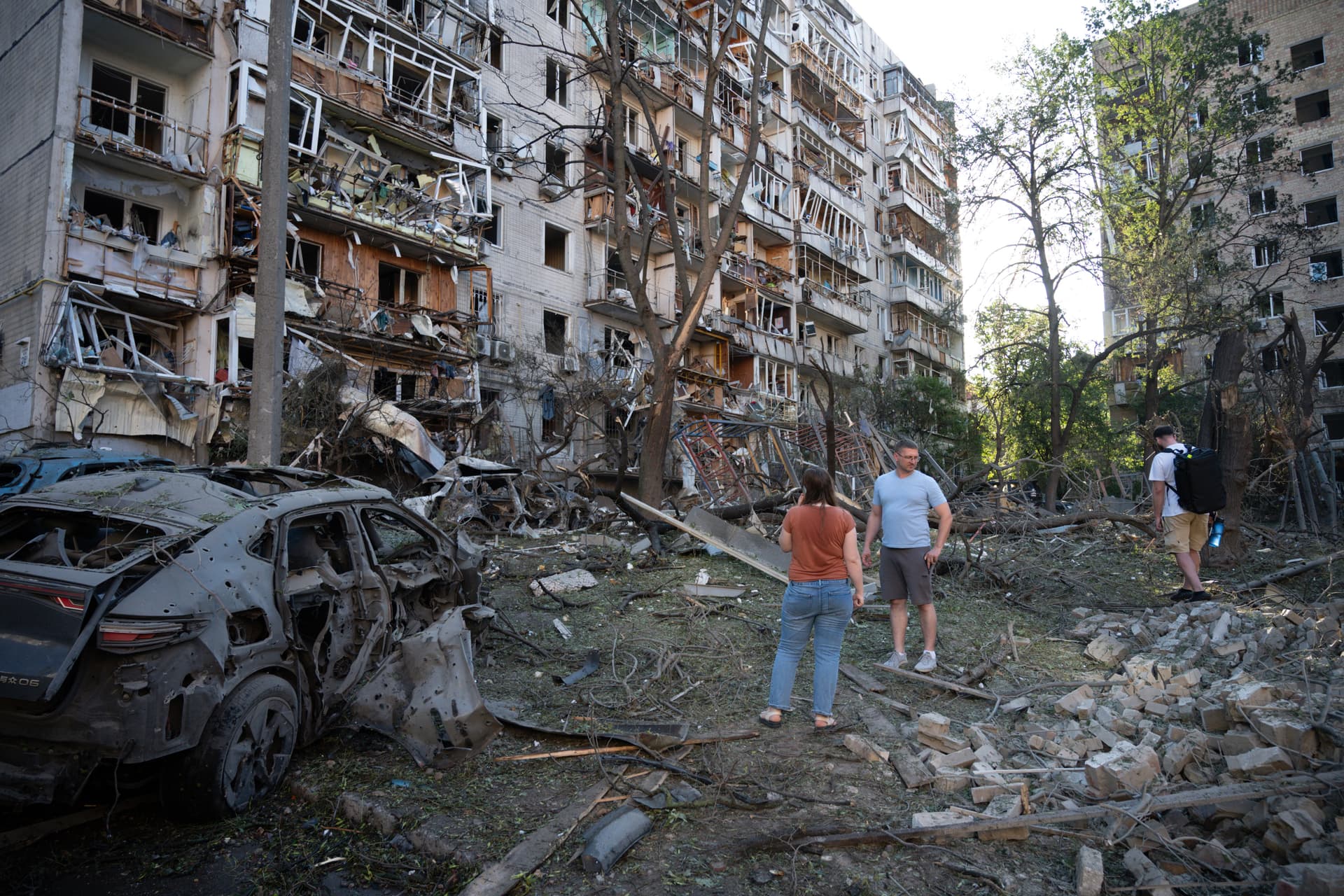
UNICEF says more than 100 children killed in Gaza since October ceasefire
UNICEF warns that killings and severe injuries of children continue despite reduced fighting, urging expanded evacuations and unfettered aid access.

UNICEF reported that more than 100 children have been killed in the Gaza Strip since a ceasefire began in early October, warning on 13 January that the pause in large-scale hostilities has not halted lethal violence against civilians. The agency’s figures, presented by spokesperson James Elder at a Palais des Nations briefing in Geneva, reflect only incidents with “sufficient details” to record and are likely an undercount, UNICEF said.
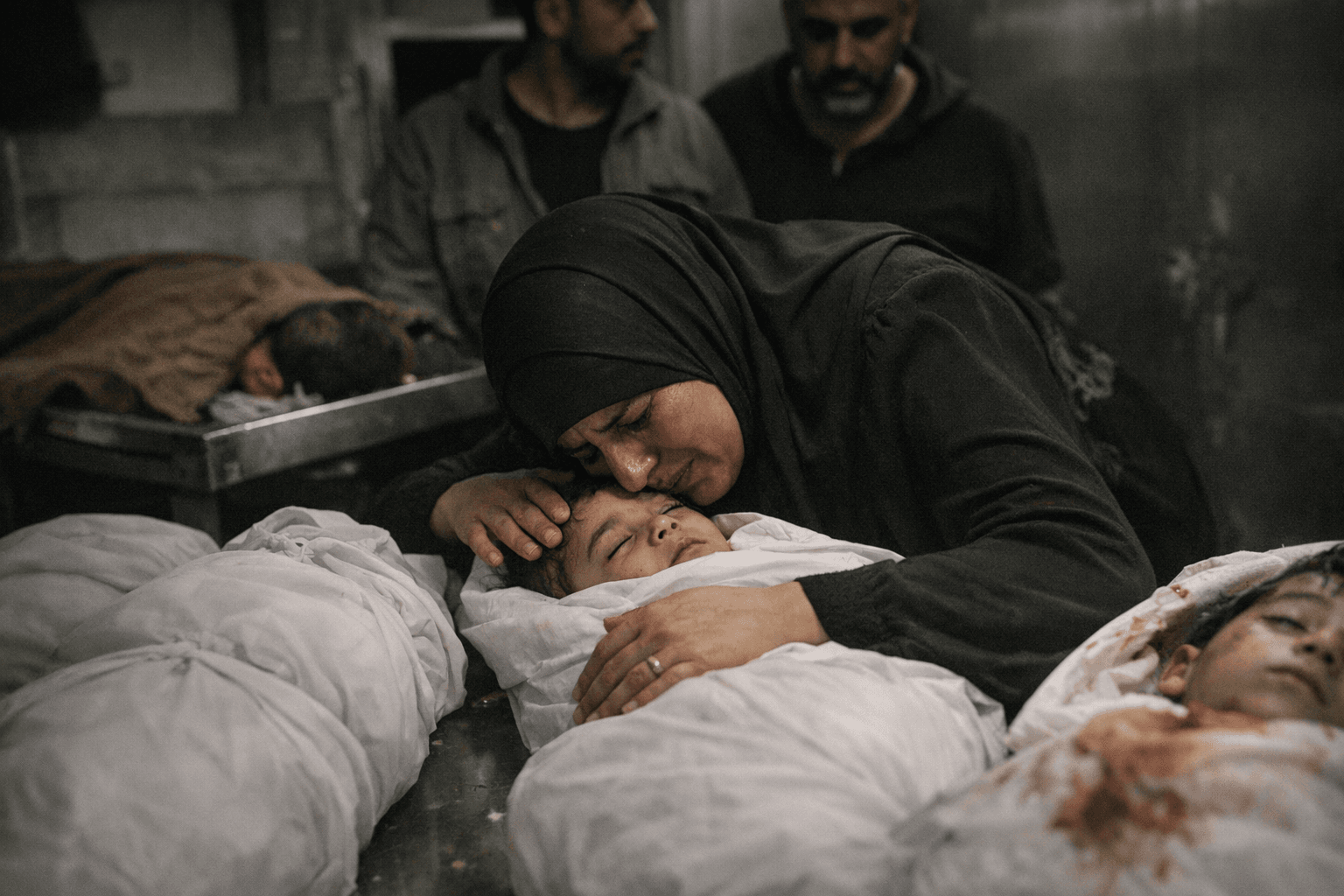
UNICEF recorded named reports of at least 60 boys and 40 girls killed in the period since the ceasefire began. The agency also said “hundreds of children have been wounded.” Gaza’s Health Ministry, which maintains broader casualty tallies used by U.N. agencies, reported that more than 440 people were killed by Israeli fire and brought to hospitals since the ceasefire took effect, a separate figure from the child-specific data.
Elder stressed that, while “bombings and shootings have slowed,” they “have not stopped.” UNICEF documented a range of methods inflicting harm on children during the ceasefire: airstrikes, drone strikes including suicide drones, tank shelling, live ammunition and attacks involving remote-controlled quadcopters. The persistence of such violence, the agency said, keeps daily life in Gaza “suffocating” and leaves children at continuing risk.
UNICEF provided harrowing individual cases to illustrate the toll. A nine-year-old boy, Abid Al Rahman, was collecting wood with friends in Khan Younis when an airstrike shattered shrapnel into his eye; the fragment remains lodged and UNICEF said Abid “will lose sight in an eye, maybe both.” Staff described him as an “absolute candidate” for medical evacuation who has so far been denied transfer. The agency cited additional children in need of evacuation, including a girl in Al Shifa hospital who “may well die” and another child facing a leg amputation, both denied transfer despite medical necessity.
Humanitarian conditions have compounded direct violence. UNICEF warned of severe restrictions on medical supplies, cooking gas, fuel and parts for lifesaving water and sanitation systems, leaving survival in Gaza “conditional.” Winter storms and inadequate shelter have led to cold-related deaths, with Gaza’s Health Ministry reporting a 1-year-old in Deir al-Balah as the seventh fatality attributed to hypothermia since winter began; other victims included a seven-day-old baby and a four-year-old girl.
Some limited humanitarian progress followed the ceasefire. UNICEF said it had added more than 70 nutrition facilities across Gaza and that famine pressures have eased in parts of the territory. Yet the agency framed those gains as fragile, arguing they do not offset the continuing lethal risks to children.
Elder urged concrete steps to translate the ceasefire into safety, declaring that a pause that “slows the bombs is progress - but one that still buries children is not enough.” UNICEF called to “open access for aid, massively increase medical evacuation, and make this the moment when the killing of children in Gaza truly ends.”
Beyond the immediate human cost, the persistence of civilian casualties under the ceasefire will complicate recovery and raise long-term financial needs for health, shelter and reconstruction. Continued restrictions on medical evacuations and supplies threaten to erode fragile health-system capacity and increase chronic care costs. Donors and policymakers face pressure to enforce humanitarian access, expand evacuations and fund reconstruction to prevent the crisis from calcifying into protracted humanitarian and economic collapse.
This article was produced by Prism’s automated news system from verified source data, official records, and press releases, then run through automated quality and moderation checks before publishing. The system is built and supervised by the people who set the standards it runs under. Read our full AI policy.
Did this article answer your question?