UNICEF warns Mozambique floods threaten children with disease and malnutrition
UN agencies warn southern Mozambique flooding is heightening risks of waterborne disease and child malnutrition as cyclone season nears.
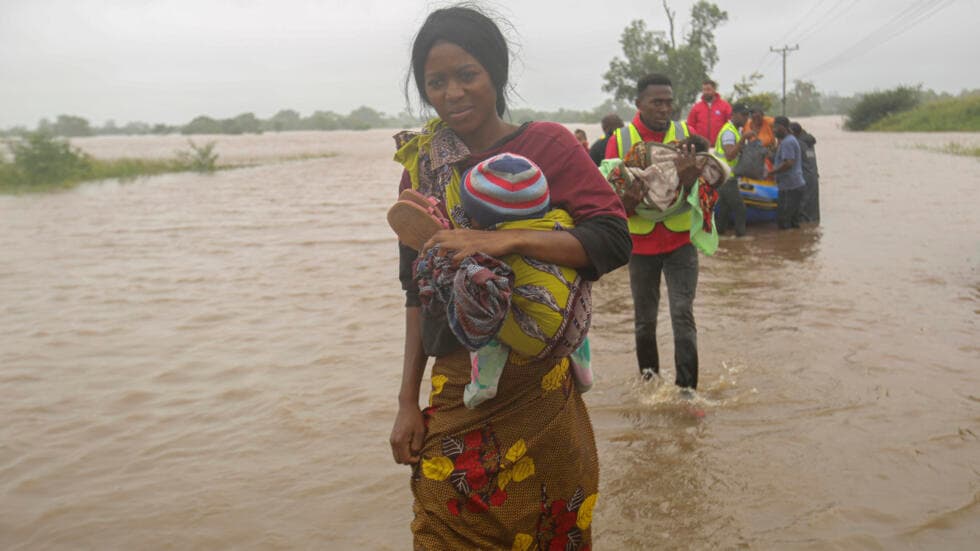
Flooding across southern Mozambique has affected more than 513,000 people and is creating an urgent public health and food security crisis for children, United Nations agencies warned after a Geneva multimedia briefing held Jan. 20–21. Photographs taken on Jan. 19 show inundated streets in Xai-Xai, Gaza province, as heavy rains and overflowing rivers displaced tens of thousands and disrupted basic services.
UNICEF and the UN Office for the Coordination of Humanitarian Affairs described a fast-escalating emergency concentrated in Gaza and Sofala provinces, where more than half of those affected are children. The agencies reported more than 50,000 people displaced, many living in overcrowded temporary shelters where access to clean water, sanitation and healthcare is uncertain. That mix of displacement and damaged infrastructure magnifies the risk of waterborne disease, officials said, and threatens to deepen already high levels of child malnutrition.
Speaking from Xai-Xai, Guy Taylor, UNICEF chief of communication in Mozambique, warned that the flooding is "turning unsafe water, disease outbreaks and malnutrition into a deadly threat for children." He added that the combination of waterborne diseases and malnutrition "can often prove lethal," and said renewed disruption to food supplies, health services and care practices "threatens to push the most vulnerable children into a dangerous spiral."
UNICEF briefing materials highlighted alarming baseline vulnerabilities: before the floods, four out of every 10 children in Mozambique experienced chronic malnutrition, and children make up more than half the population in a country with an average age of 17. Those pre-existing conditions mean any surge in diarrheal disease, measles or other outbreaks could have severe, longer-term consequences for growth, cognitive development and survival.
Agencies cautioned that the crisis risks worsening as Mozambique enters its annual cyclone season. Taylor warned the country is "now entering into its annual cyclone season, creating the risk of a double crisis." Such a sequence - flooding followed by tropical storms - could damage infrastructure already weakened by recent rains, complicate relief access and amplify threats to water, sanitation and food distribution networks.
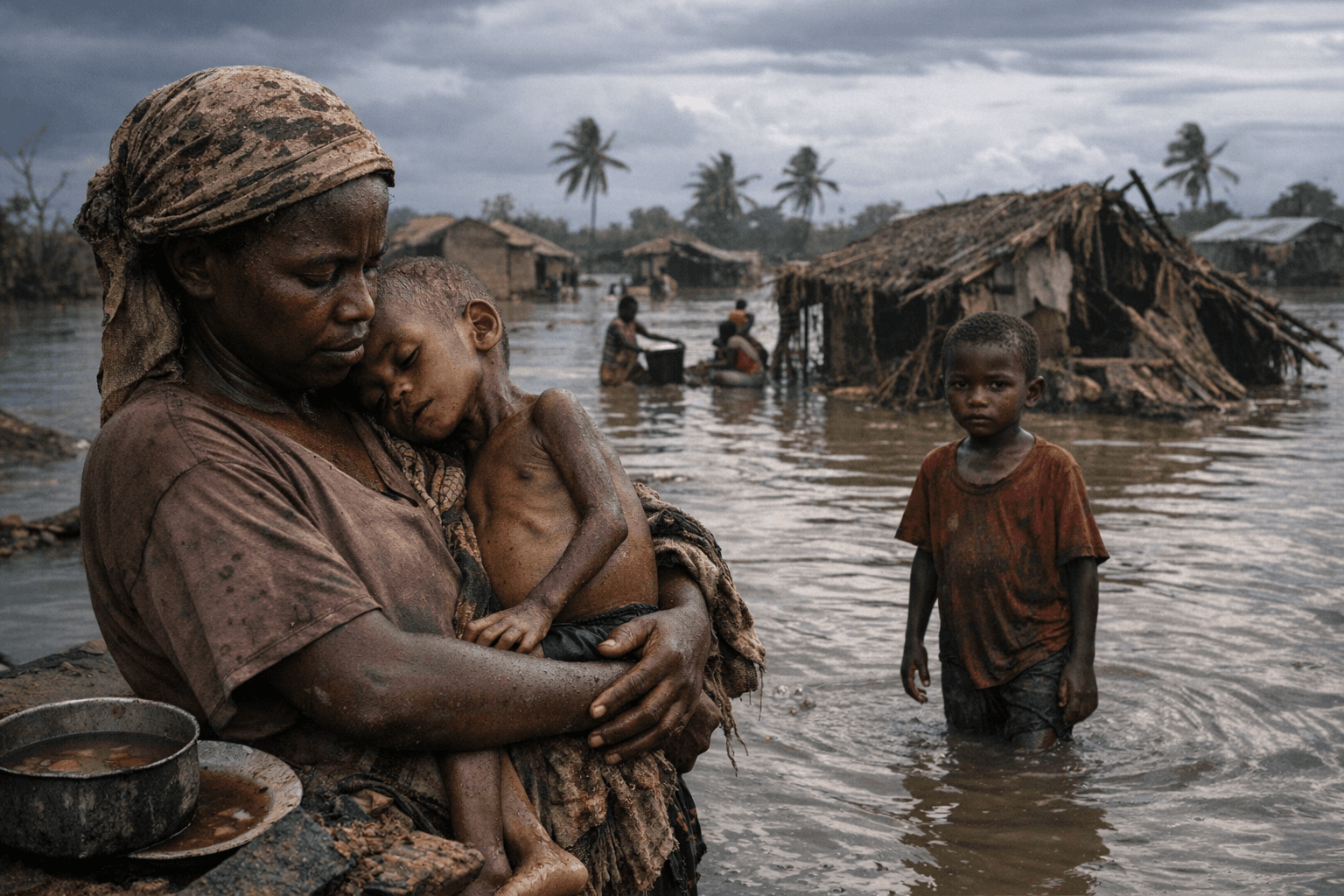
UNICEF said it is working with the government and humanitarian partners to deliver emergency water, sanitation, health, nutrition, education and child protection services, prioritizing Gaza and Sofala provinces. Briefers at the UN event, chaired by Rolando Gómez of the UN Information Service, pressed for rapid external support to shore up disease surveillance, nutrition screening and safe shelter capacity. Agencies emphasized that without faster aid, the convergence of displacement, disrupted services and contaminated water could drive preventable illnesses and deaths among children.
On the urgency of response, Taylor said: "We can prevent disease, deaths and irreversible losses to children, but we need to act fast." He concluded by stressing the disproportionate toll on young people when extreme weather strikes: when floods and cyclones strike "it’s the youngest and children who are hit hardest."
Humanitarian officials identified immediate priorities for follow-up reporting and action: on-the-ground assessments of shelter conditions and water systems, clear figures for malnutrition screening and disease surveillance, and the scale of international funding and supply gaps needed to prevent the emergency from becoming a protracted child protection and health disaster.
This article was produced by Prism’s automated news system from verified source data, official records, and press releases, then run through automated quality and moderation checks before publishing. The system is built and supervised by the people who set the standards it runs under. Read our full AI policy.
Did this article answer your question?