United Airlines Cuts Domestic Widebody Flights by 26 Percent This Summer
United is axing nearly 1,400 domestic widebody flights this summer, a 26% drop that shrinks premium cabin access and reshapes its hub-and-spoke network.

United Airlines is set to operate nearly 1,400 fewer domestic widebody flights this summer compared to the same period last year, a 26% year-over-year reduction that represents one of the most significant reconfigurations of its domestic network in recent memory. The cutbacks span its Boeing 767-400, 777-200, 777-300ER, and 787 Dreamliner fleets, aircraft that have long anchored the airline's high-capacity transcontinental corridors and Hawaii services.
The figures, drawn from a Cirium Diio schedule analysis comparing United's Q3 2026 bookings against Q3 2024, reveal a deliberate and accelerating pullback from domestic twin-aisle flying. While widebody jets have historically allowed United to move large volumes of passengers on dense routes such as New York to Los Angeles, the airline has been removing them from domestic service at what analysts describe as a prodigious pace heading into this summer.
The economics driving the decision are straightforward. Widebody aircraft carry heavier maintenance burdens, require specialized ground crews and gate infrastructure, and burn more fuel per seat-mile on shorter domestic hops where filling every seat is harder to guarantee. Modern narrowbodies, particularly the Boeing 737 MAX and Airbus A321neo, now offer extended range and enhanced premium cabin configurations that close much of the service gap at significantly lower unit costs. Since 2021, United has added 237 Boeing 737 MAX jets and 67 Airbus A321neos to its fleet, giving it the narrowbody depth to absorb redeployed flying without sacrificing frequency.
The passenger impact is most acutely felt in premium cabins. Widebody jets typically carry more Polaris business class and United Premium Plus seats than their single-aisle counterparts, meaning frequent flyers who rely on upgrades on domestic transcontinental routes may find fewer premium inventory seats available this summer. United has moved aggressively to expand premium seating across its narrowbody fleet, increasing premium seats per North American departure by 40% since 2021, but the density shift will still register for elite members accustomed to lie-flat options on domestic segments.
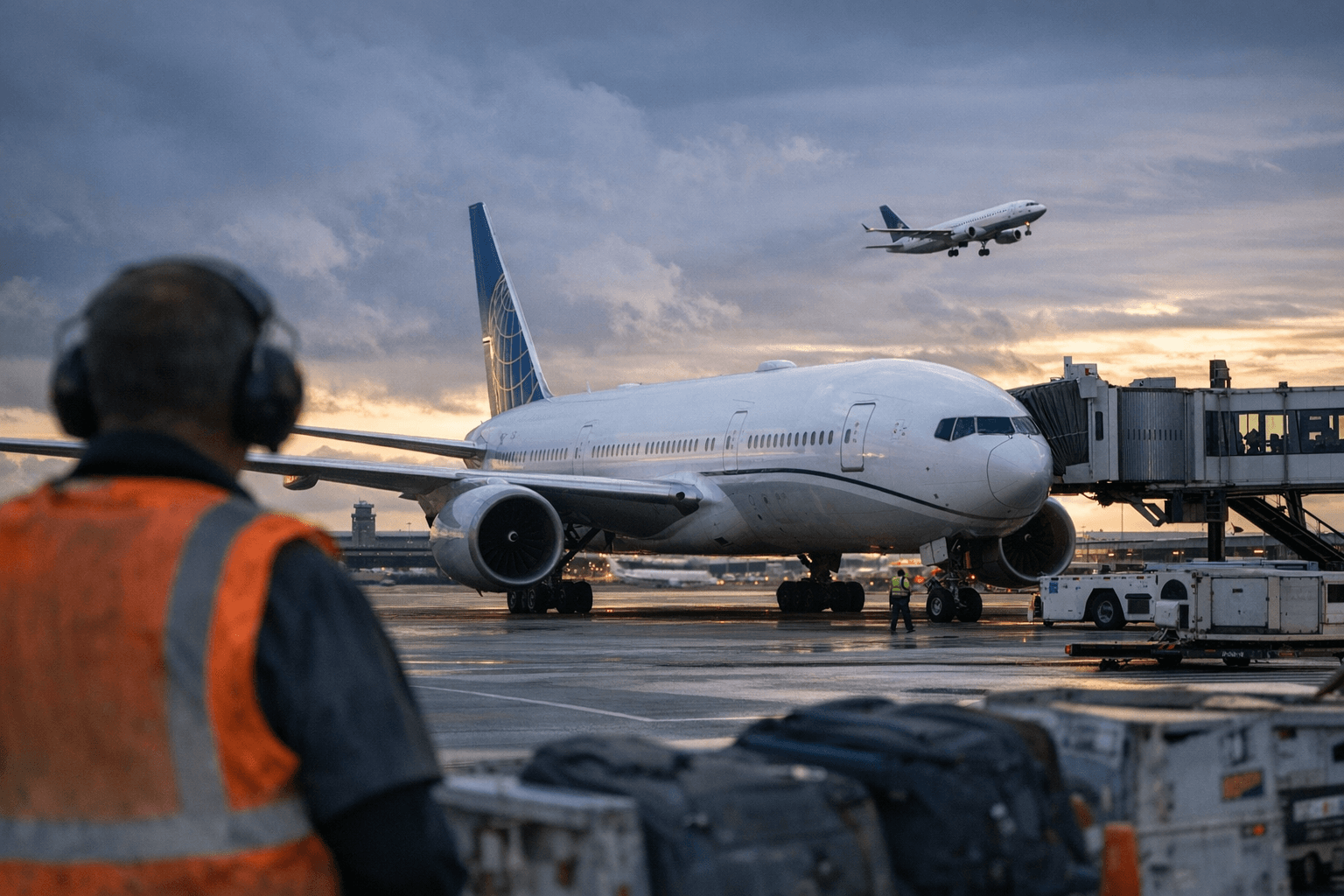
The aircraft freed from domestic service are heading international. United is serving 36 European cities this summer, up from 32 last year, and long-haul routes to Asia and Latin America generate the kind of premium yields that justify operating a 777 or 787 at full cost. Redeploying widebodies onto those routes, rather than running them at potentially thin margins between Chicago and Denver, reflects a yield-management logic that has become standard across the legacy carrier landscape.
Whether other major carriers follow is the key industry question. If the shift proves durable and profitable for United, American and Delta face pressure to run similar Cirium-style audits of their own domestic widebody exposure. For airports that depend on widebody flows to generate premium connecting traffic, particularly mid-size hubs, the structural change is worth watching closely. United's summer schedule amounts to an early and large-scale bet that the narrowbody era of domestic flying has fully arrived.
This article was produced by Prism’s automated news system from verified source data, official records, and press releases, then run through automated quality and moderation checks before publishing. The system is built and supervised by the people who set the standards it runs under. Read our full AI policy.
Did this article answer your question?