United Imaging Intelligence says it is taking a cautious AI approach
United Imaging Intelligence said it was not rushing an “extreme” AI rollout even as it already had more than 10 platforms, 100 applications and 31 CE-marked tools.
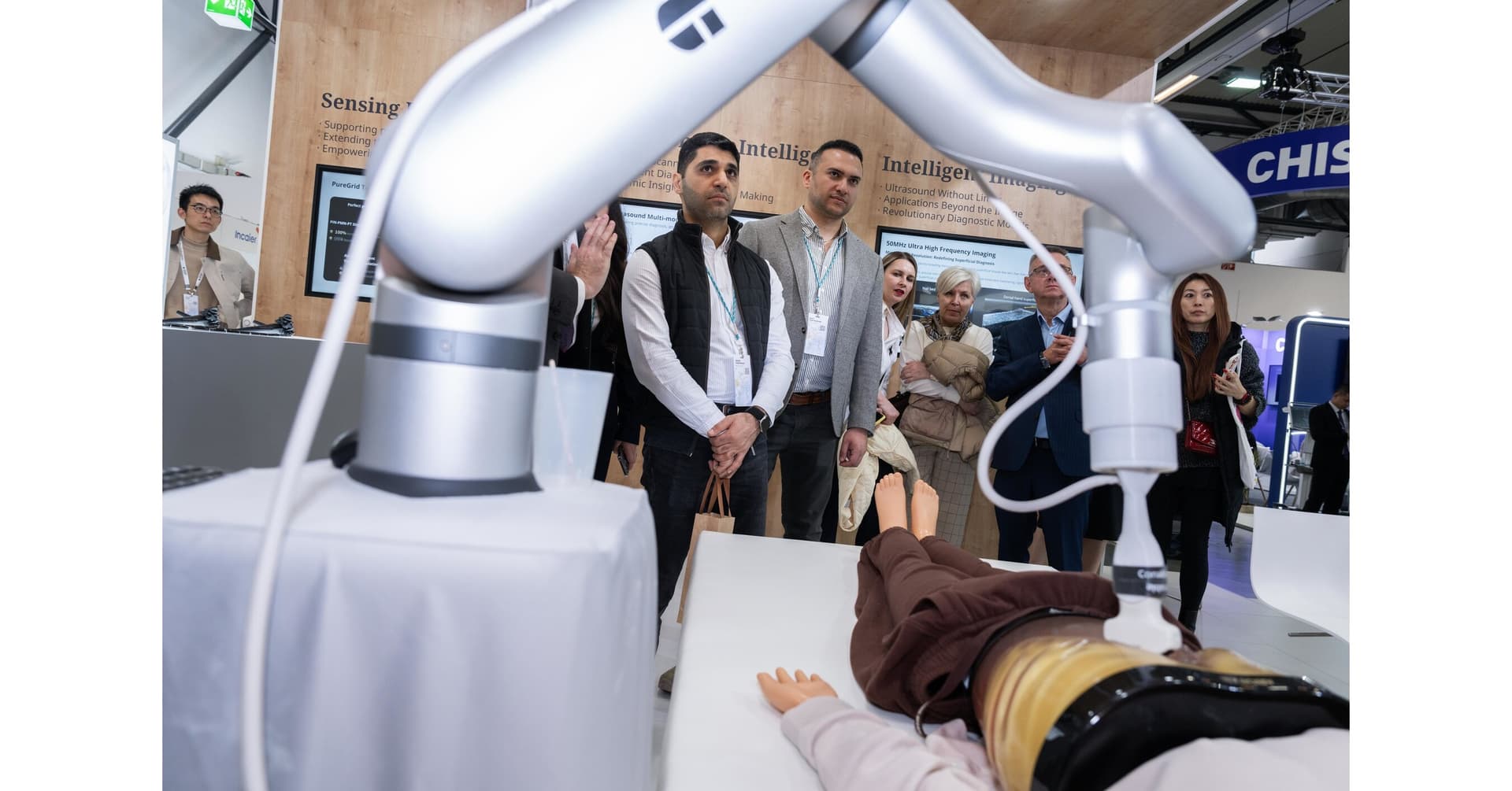
United Imaging Intelligence’s co-CEO said the company was not pursuing an extreme artificial intelligence rollout, putting a brake on the kind of broad automation push many tech companies are touting. That caution lands differently in medical imaging, where the company says its AI already spans screening, diagnosis, treatment and follow-up.
The Shanghai- and Boston-based company was founded in 2017 and says it has developed more than 10 AI platforms and over 100 AI applications. A U.S. job posting says United Imaging Intelligence was established on Dec. 21, 2017, underscoring how quickly it has built a sizable AI footprint without signaling a rush to blanket every workflow at once.
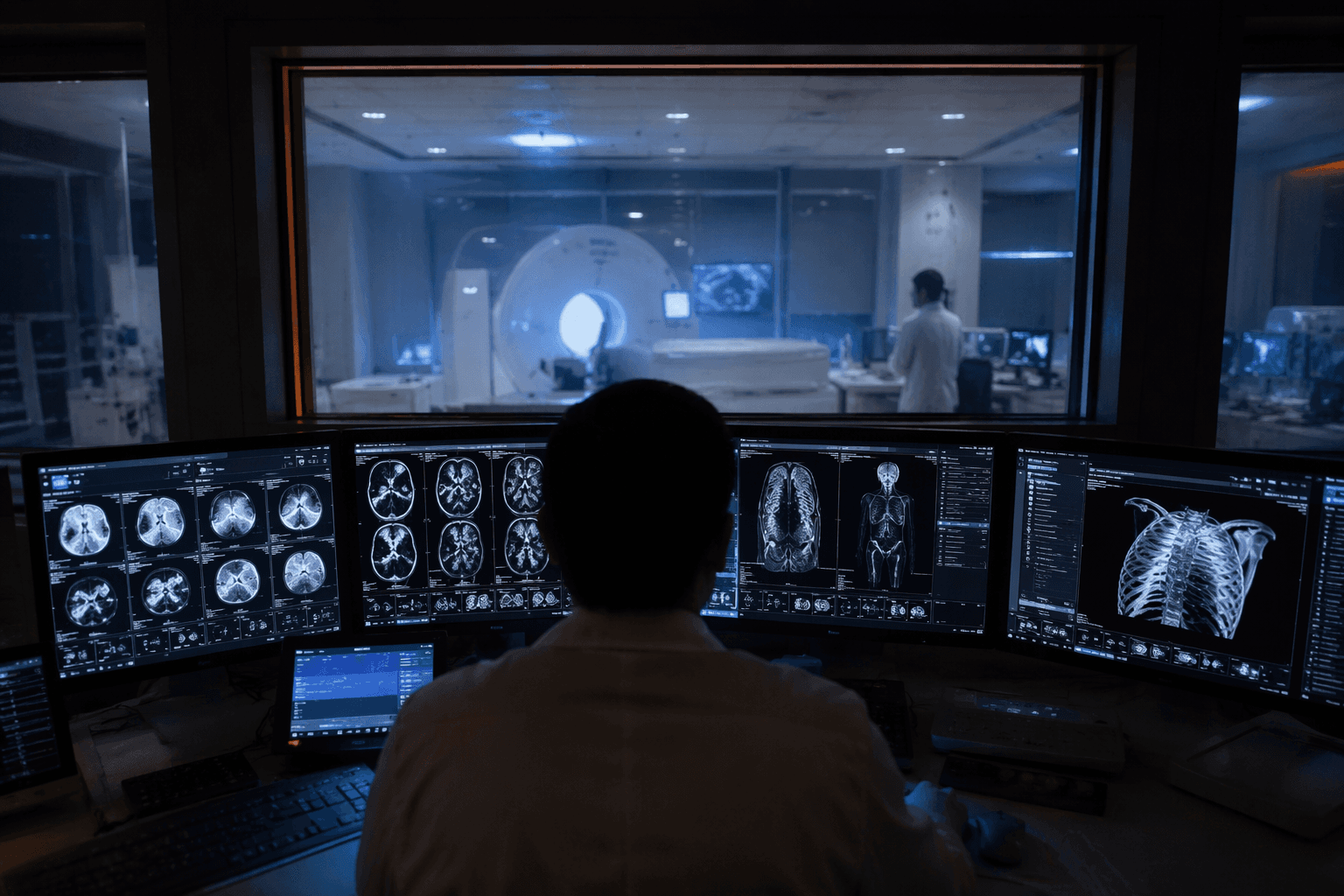
That slower tone fits a regulated market. United Imaging Intelligence has repeatedly emphasized validation and clearance, including a PR Newswire item on “Validating, Expanding, and Applying Radiology AI at Scale” for ECR 2026 and another release saying 31 medical AI applications received CE marking. The company also highlighted AI-driven innovations at the European Society of Radiology meeting in Vienna, Austria, at ECR 2024.
The regulatory gatekeeping is more than marketing language. The U.S. Food and Drug Administration’s clearance letter K242292, dated Sept. 24, 2024, covered Shanghai United Imaging Intelligence Co., Ltd. and the uAI Easy Triage ICH device. MCRA said it helped secure that clearance in under 60 days, a reminder that even a company with established AI products still has to win approval one device at a time.
United Imaging’s U.S. market debut release said it launched with 14 FDA-cleared products, and that scale helps explain why executives may prefer incremental deployment over a sweeping rollout. In health care, adding AI into radiology is not only a technical decision but a workflow and compliance one, with hospitals needing systems that fit clinical practice and patients needing safeguards against errors.
That caution also matches the broader evidence base. A review in npj Digital Medicine found AI is being evaluated for workflow automation and efficiency gains in medical imaging, but adoption still hinges on accuracy, safety and integration into clinical practice. For United Imaging Intelligence, the strategic signal is clear: build on a broad AI base, but keep each step tied to validation, regulation and clinical use rather than chasing the fastest possible rollout.
This article was produced by Prism’s automated news system from verified source data, official records, and press releases, then run through automated quality and moderation checks before publishing. The system is built and supervised by the people who set the standards it runs under. Read our full AI policy.
Did this article answer your question?