United Nations Says Gaza Reconstruction Will Exceed Seventy Billion Dollars
A United Nations assessment published November 26, 2025 concluded that rebuilding Gaza after years of conflict will cost more than seventy billion dollars spread over several decades, and warned of an array of long term economic and social challenges. The finding matters because the scale of damage, an 87 percent economic contraction in the 2023 to 2024 period, and elevated mortality estimates will require sustained international financing and a coordinated reconstruction framework to prevent prolonged humanitarian and economic collapse.
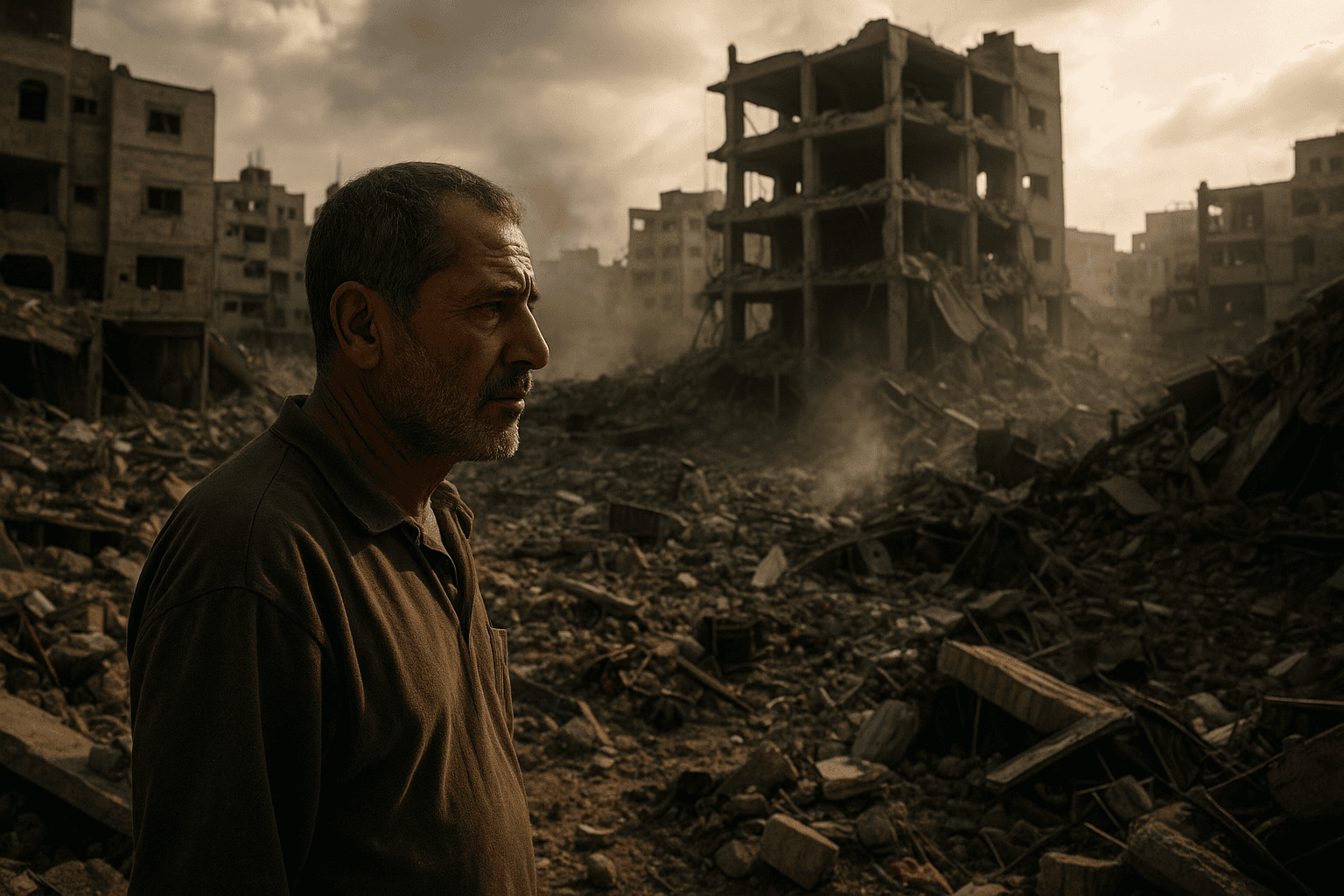
The United Nations released an assessment on November 26, 2025 estimating that reconstruction in Gaza would exceed seventy billion dollars and unfold over multiple decades. The report said Gaza’s economy had contracted sharply, citing an 87 percent decline in the 2023 to 2024 period, and described the territory’s condition as a human made abyss. U.N. officials emphasized that restoring basic services, housing, industry and infrastructure would demand large multiyear commitments from governments and international institutions.
The assessment framed the challenge as both immediate and generational. It catalogued widespread infrastructure collapse, chronic humanitarian need and demographic pressures that would complicate reconstruction and recovery. Other research cited by the U.N. pointed to dramatically elevated mortality estimates during the conflict period, increasing the human cost and raising questions about the composition of future labor supply and social services demand.
Economists and aid analysts said the scale and timing of the financing task would shape regional markets and donor budgets. Financing seventy billion dollars over decades implies an ongoing funding stream rather than a single pledging conference, which could strain bilateral aid budgets and require creative instruments from multilateral lenders. Development banks, pooled donor funds and grant financing will be central to lowering the cost of capital for reconstruction, while private investment will be contingent on security, legal certainty and functioning institutions.
The economic diagnosis is stark. An 87 percent contraction over a single year implies a near complete collapse of market activity and household incomes, erasing productive capacity and jobs. Rebuilding physical assets alone will not restore productivity if private firms and public institutions remain impaired. Analysts note that recovery will require sequencing between humanitarian relief, basic service restoration and private sector revival, with financing tailored to each phase.
Policy choices in donor capitals will determine outcomes. Sustained grants and concessional loans can support social safety nets and public infrastructure, while targeted guarantees and risk sharing could entice private construction and utilities investment. Equally important is an organized reconstruction framework that coordinates donors, international financial institutions and local authorities to minimize duplication and corruption risk. Without credible governance arrangements and security guarantees, large financial flows risk stalling or fueling renewed instability.
Long term trends are also at stake. Prolonged dependency on aid can slow institution building and private investment, while failure to create employment opportunities for a young and growing population can entrench poverty and political volatility. The U.N. assessment served as both a fiscal estimate and a policy warning: meeting the seventy billion dollar bill will be necessary but not sufficient to ensure a durable economic recovery. Donors face a choice between episodic funding and comprehensive multiyear engagement to address the intertwined humanitarian, economic and demographic challenges in Gaza.
This article was produced by Prism’s automated news system from verified source data, official records, and press releases, then run through automated quality and moderation checks before publishing. The system is built and supervised by the people who set the standards it runs under. Read our full AI policy.
Did this article answer your question?


