United States freezes assets of eight Nigerians tied to jihadist groups
U.S. freezes assets of eight Nigerians accused of links to Boko Haram and ISIS, aiming to choke terrorism financing and disrupt illicit networks.
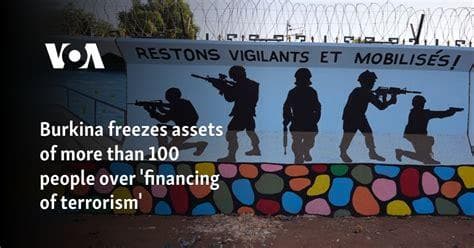
The United States froze the assets and properties of eight Nigerian individuals on February 16, 2026, in a targeted move intended to disrupt financing networks tied to Boko Haram and the Islamic State of Iraq and the Levant. The action marks a concentrated effort by U.S. authorities to sever financial lifelines that sustain transnational and local extremist activity.
The measures block access to property and funds under U.S. jurisdiction and signal stepped-up pressure on networks that finance terrorism rather than on isolated operational cells. Freezes of this kind typically compel banks, money transfer firms and property managers to lock accounts and deny transactions linked to designated parties, constraining their ability to move resources across borders and into civilian economies.
Sanctions and asset freezes serve as a blunt but influential tool in wider counterterrorism work. They rely on cooperation from global financial institutions and correspondent banks, which tend to prioritize compliance with U.S. directives to avoid fines and access restrictions. That dynamic increases the operational cost for any entity handling money tied to the designated individuals, and it heightens scrutiny of remittance channels frequently used in West Africa.
The designation of eight Nigerians also carries political and institutional consequences in Abuja and among Nigerian civil society. The measures are likely to prompt diplomatic engagement between Washington and Nigerian authorities to exchange evidence and coordinate follow-up action. Within Nigeria, the restrictions could amplify public demands for clarity about links between extremist groups and domestic actors, and they may intensify pressure on security services to demonstrate effective financial investigations.
There are legal and oversight questions inherent to asset freezes. In the U.S. system, administrative designations and sanctions can be accompanied by criminal prosecutions or remain an administrative enforcement mechanism, and affected parties have legal avenues to challenge restrictions. The reliance on financial information, intelligence assessments and interagency judgments creates potential for debate about evidentiary standards, transparency and the balance between national security and due process.
Practical consequences extend beyond the designated individuals. Charities, community organizations and diaspora remittance services operating in Nigeria and the United States may face increased compliance burdens and de-risking by banks that fear inadvertent exposure. That effect can slow legitimate humanitarian and development funding at a time when economic resilience is a key component of countering violent extremism.
The freeze underscores a broader policy emphasis on degrading the financial underpinnings of extremist groups rather than confronting them solely on battlefield terms. For policymakers, the challenge will be to ensure that sanctions are precisely targeted, supported by clear evidence and accompanied by measures to protect lawful commerce and aid flows. For democratic accountability, transparency about the legal basis for designations and avenues for redress will remain central to maintaining public trust while pursuing security objectives.
As enforcement unfolds, the coming days will show whether the action yields immediate disruption of networks or triggers legal disputes and diplomatic negotiations that shape the next phase of U.S.-Nigerian counterterrorism cooperation.
This article was produced by Prism’s automated news system from verified source data, official records, and press releases, then run through automated quality and moderation checks before publishing. The system is built and supervised by the people who set the standards it runs under. Read our full AI policy.
Did this article answer your question?